
• Contact us
  • E-Submission
ABOUT
BROWSE ARTICLES
JOURNAL POLICIES
FOR CONTRIBUTORS

Page Path

  • HOME
  • Browse articles
  • Most read article
180
results for

Most read article

Filter

Article category

Keywords

Publication year

Authors

Funded articles

Most read article

Most-read are based on citations from 2023 ~ 2025.

Review articles

[English]
Update on sexually transmitted infections in Korea: a narrative review
Chung-Jong Kim
Ewha Med J 2024;47(4):e52.   Published online October 31, 2024
DOI: https://doi.org/10.12771/emj.2024.e52

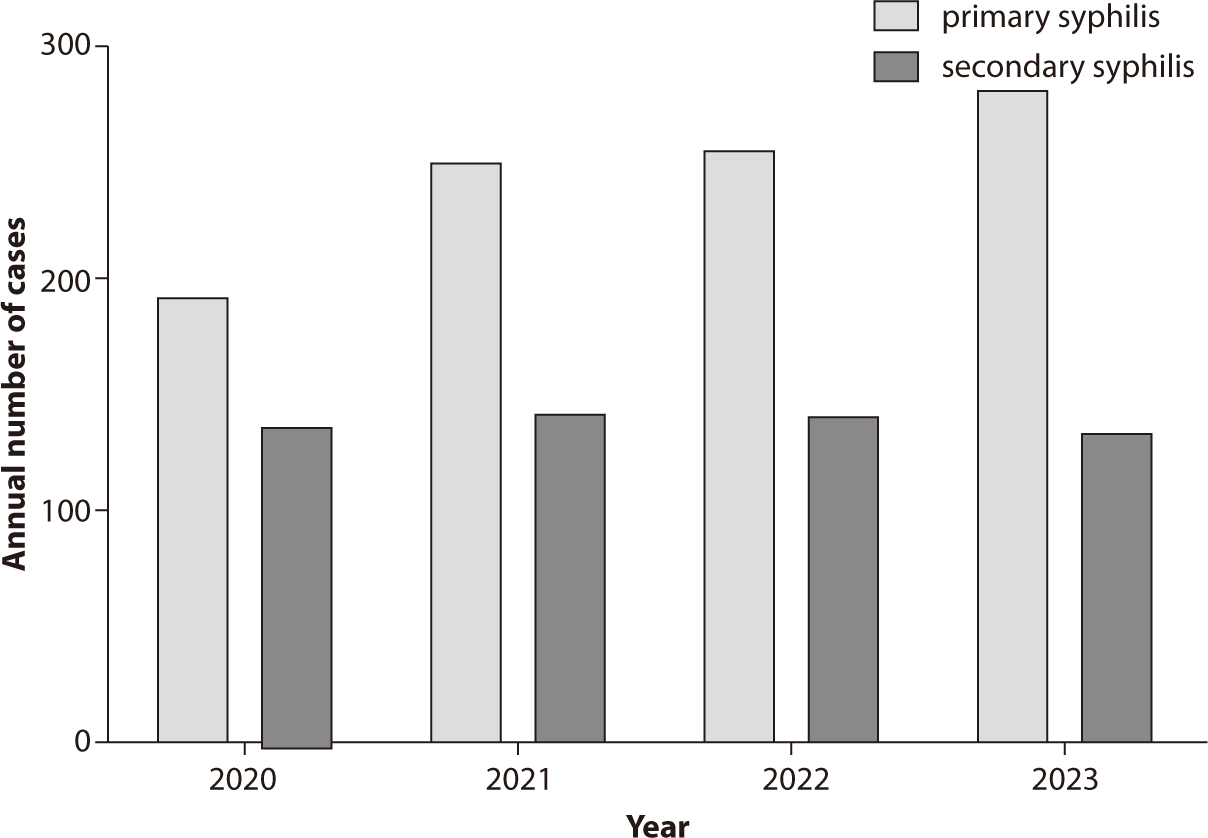
Sexually transmitted infections (STIs) continue to pose significant public health challenges in Korea, with syphilis, gonorrhea, chlamydia, Mycoplasma genitalium, and herpes simplex virus (HSV) being the most prevalent. This review provides an updated overview of the epidemiology, diagnosis, and treatment of these significant STIs in Korea, highlighting recent trends and concerns. Syphilis incidence rates have fluctuated due to changes in surveillance systems. Starting in 2024, syphilis will be reclassified as a nationally notifiable infectious disease (category 2). Gonorrhea remains a concern due to increasing antibiotic resistance, including the emergence of extensively drug-resistant Neisseria gonorrhoeae strains, underscoring the need for vigilant antimicrobial stewardship. Chlamydia continues to be the most commonly reported STI, although its incidence has declined during the COVID-19 pandemic. M. genitalium has gained attention as a significant STI with rising antibiotic resistance issues, necessitating updated treatment guidelines and consideration of resistance testing. HSV-2 remains a common cause of genital herpes, with steady incidence rates reported. Updated diagnostic methods, including nucleic acid amplification tests, and revised treatment guidelines are presented to effectively address these infections. The impact of the COVID-19 pandemic on other STIs within Korea remains unclear, necessitating further research. Changes in treatment guidelines, such as the recommendation of doxycycline as first-line therapy for chlamydia, reflect evolving evidence and resistance patterns. The importance of updated diagnostic tools, including resistance testing for M. genitalium, is emphasized to improve treatment outcomes. Continued efforts in education, prevention, and research are essential to manage and mitigate the impact of STIs on public health in Korea.

Citations

Citations to this article as recorded by  
  • Secondary syphilis with oropharyngeal and skin lesions confirmed by PCR mimicking chicken pox or mpox in a patient with HIV
    Dong-Min Kim, Do-Yeong Kim, Jun-Won Seo, Da Young Kim, Na Ra Yun, You Mi Lee, Choon-Mee Kim
    Diagnostic Microbiology and Infectious Disease.2025; 112(2): 116765.     CrossRef
  • Epidemiologic Characteristics of 1.4 Million Multiplex PCR Tests for 12 Urogenital and Sexually Transmitted Infection Pathogens in Korea (2021–2024)
    Soyoun Shin
    Pathogens.2025; 14(11): 1073.     CrossRef
  • 18,668 View
  • 46 Download
  • 1 Web of Science
  • 2 Crossref

Special topic: cutting-edge technologies in radiation therapy

[English]

FLASH radiotherapy (FLASH-RT) is an innovative approach that delivers ultra-high dose rates exceeding 40 Gy in less than a second, aiming to widen the therapeutic window by minimizing damage to normal tissue while maintaining tumor control. This review explores the advancements, mechanisms, and clinical applications of FLASH-RT across various radiation sources. Electrons have been predominantly used due to technical feasibility, but their limited penetration depth restricts clinical application. Protons, offering deeper tissue penetration, are considered promising for treating deep-seated tumors despite challenges in beam delivery. Preclinical studies demonstrate that FLASH-RT reduces normal tissue toxicity in the lung, brain, skin, intestine, and heart without compromising antitumor efficacy. The mechanisms underlying the FLASH effect may involve oxygen depletion leading to transient hypoxia, reduced DNA damage in normal tissues, and modulation of immune and inflammatory responses. However, these mechanisms are incompletely understood, and inconsistent results across studies highlight the need for further research. Initial clinical studies, including treatment of cutaneous lymphoma and bone metastases, indicate the feasibility and potential benefits of FLASH-RT in patients. Challenges for clinical implementation include technical issues in dosimetry accuracy at ultra-high dose rates, adaptations in treatment planning systems, beam delivery methods, and economic considerations due to specialized equipment requirements. Future directions will involve comprehensive preclinical studies to optimize irradiation parameters, large-scale clinical trials to establish standardized protocols, and technological advancements to overcome limitations. FLASH-RT holds the potential to revolutionize radiotherapy by reducing normal tissue toxicity and improving therapeutic outcomes, but significant research is required for real-world clinical applications.

Citations
Citations to this article as recorded by  
  • Ultra-High Dose Rate Electron Beam Dosimetry Using Ag Nanoparticle-Enhanced nPAG and NIBMAGAT Gels
    Mantvydas Merkis, Akvile Slektaite-Kisone, Marius Burkanas, Aleksandras Cicinas, Mindaugas Dziugelis, Vaidas Klimkevicius, Diana Adliene, Jonas Venius
    Gels.2025; 11(5): 336.     CrossRef
  • The Biophysics of Flash Radiotherapy: Tools for Measuring Tumor and Normal Tissues Microenvironment
    Islam G. Ali, Issam El Naqa
    Antioxidants.2025; 14(8): 899.     CrossRef
  • Glia Between Resistance and Radiotoxicity in Glioblastoma: Mechanisms and Translational Perspectives—A Narrative Review
    Flavio Donnini, Giuseppe Minniti, Giovanni Rubino, Giuseppe Battaglia, Pierpaolo Pastina, Tommaso Carfagno, Marta Vannini, Maria Antonietta Mazzei, Paolo Tini
    Neuroglia.2025; 6(4): 44.     CrossRef
  • Cutting-edge technologies in external radiation therapy
    Jun Won Kim
    The Ewha Medical Journal.2024;[Epub]     CrossRef
  • 16,795 View
  • 138 Download
  • 2 Web of Science
  • 4 Crossref

Review articles

[English]
Health of Korean sexual and gender minorities: a narrative review of quantitative studies
Heesung So, Ssirai Kim, Sun Young Lee
Ewha Med J 2024;47(2):e14.   Published online April 30, 2024
DOI: https://doi.org/10.12771/emj.2024.e14

This study reviewed quantitative research on the health of sexual and gender minorities (SGMs) in Korea and aimed to propose a role for healthcare professionals in improving their health and access to medical care. We searched PubMed through February 29, 2024 for articles published since 2000, using terms related to SGMs and the keyword “Korea.” This process yielded 33 quantitative studies on Korean SGMs. Of these, 17 focused on sexual minorities and 16 on gender minorities. The findings indicate that Korean SGMs experience many symptoms of depression and anxiety, as well as high rates of suicidal ideation, planning, and attempts. They also report diminished health-related quality of life. SGM individuals who have faced discrimination or pressure to change their sexual or gender identity face an elevated risk of mental health issues. To improve the health of Korean SGMs and improve their access to healthcare, we recommend several approaches. First, more research on the health of Korean SGMs is necessary. Second, education and training programs for health professionals are essential to promote their understanding of SGM health issues and their advocacy for SGM health. Third, strategies are required to develop and implement program interventions that improve SGM health, such as increasing the availability of gender-affirming care, which is known to benefit the health of transgender and gender-diverse individuals. Finally, healthcare professionals should actively advocate for SGM health and call for shifts in public perception and institutional change, grounded in a broad understanding of SGMs and their health needs.

Citations

Citations to this article as recorded by  
  • The association between depressive symptomatology and demographic characteristics, sexual minority identity, and discrimination experiences among lesbian and gay-identified South Korean adults
    Yeon Jae Hwang, Carlos E. Santos, Jimin Sung
    Sexual and Gender Diversity in Social Services.2025; : 1.     CrossRef
  • Gender equity in medicine, artificial intelligence, and other articles in this issue
    Sun Huh
    The Ewha Medical Journal.2024;[Epub]     CrossRef
  • 16,609 View
  • 38 Download
  • 2 Crossref

Review Article

[English]
Sex differences in pharmacotherapy for heart failure
In-Jeong Cho
Ewha Med J 2024;47(1):e3.   Published online January 31, 2024
DOI: https://doi.org/10.12771/emj.2024.e3

Heart failure (HF) represents a serious public health concern, characterized by substantial morbidity and mortality. Despite advances in pharmacological management, a gap persists in understanding and accounting for sex-related differences in HF treatment. This review was performed to clarify the impact of sex on the clinical outcomes of HF medications. Insights from various clinical trials and studies have highlighted differences between men and women in drug responses and adverse effects, indicating the need for a more nuanced approach to HF management. Promoting greater representation of women in clinical trials and the development of research methodologies that consider sex differences are crucial steps in advancing precision medicine. Such efforts ensure that therapeutic strategies are optimally tailored to the unique biological and genetic profiles of each person. Ultimately, this review emphasizes the vital need for a more inclusive and personalized approach to HF pharmacotherapy, underscoring the critical role of sex-related differences in shaping effective and individualized treatment pathways.

Citations

Citations to this article as recorded by  
  • Gender equity in medical journals in Korea and this issue
    Sun Huh
    The Ewha Medical Journal.2024;[Epub]     CrossRef
  • 15,992 View
  • 20 Download
  • 1 Crossref

Guidelines

[English]
Clinical practice guidelines for the diagnosis and treatment of scabies in Korea: Part 2. Treatment and prevention — a secondary publication
Jin Park, Soon-Hyo Kwon, Young Bok Lee, Hei Sung Kim, Jie Hyun Jeon, Gwang Seong Choi
Ewha Med J 2024;47(4):e72.   Published online October 31, 2024
DOI: https://doi.org/10.12771/emj.2024.e72

Treatment should be initiated for all suspected, clinical, or confirmed cases of scabies. Patients affected should be adequately isolated, and high-risk groups with close contact histories should be treated regardless of their symptoms. Optimal treatment strategies can be selected based on age, clinical subtype, and the patient's health status. In Korea, commercially available preparations for scabies treatment include topical 5% permethrin, topical 10% crotamiton, and oral ivermectin. Topical 5% permethrin is the first-line selective treatment for both classic and crusted scabies. Alternative treatments include topical 10% crotamiton and oral ivermectin. After completing treatment, follow-up visits at 2 and 4 weeks are recommended to monitor the therapeutic response. Treatment is considered to have failed if scabies mites or burrows are detected, new clinical characteristics develop, or there is an aggravation of pruritus. Scabies itch should be adequately managed with emollients, oral antihistamines, and topical corticosteroids. Preventive measures, including personal hygiene, patient education, and environmental control, should besd implemented to reduce the transmission of scabies.

  • 14,752 View
  • 97 Download
[English]
Clinical practice guidelines for the diagnosis and treatment of scabies in Korea: Part 1. Epidemiology, clinical manifestations, and diagnosis — a secondary publication
Jin Park, Soon-Hyo Kwon, Young Bok Lee, Hei Sung Kim, Jie Hyun Jeon, Gwang Seong Choi
Ewha Med J 2024;47(4):e73.   Published online October 31, 2024
DOI: https://doi.org/10.12771/emj.2024.e73

Scabies is a skin disease caused by the parasite Sarcoptes scabiei var. hominis, which is primarily transmitted via direct skin or sexual contact or, less commonly, via contact with infested fomites. In Korea, the incidence of scabies has decreased from approximately 50,000 cases per year in 2010 to about 30,000 cases per year in 2021. However, outbreaks are consistently observed in residential facilities, such as nursing homes, especially among older adults. The clinical manifestations of scabies vary based on the patient’s age, health status, the number of mites, and the route of transmission. Typical symptoms of classic scabies include intense nocturnal itching and characteristic skin rashes (burrows and erythematous papules), with a predilection for the interdigital web spaces, inner wrists, periumbilical areas, axillae, and genital areas. In contrast, older adults with immunodeficiency or neurological disorders may exhibit hyperkeratotic scaly lesions or an atypical distribution with mild to no itching (crusted scabies). The diagnosis of scabies is based on clinical symptoms and the results of diagnostic tests aimed at identifying the presence of the parasite. While a history of close contact and characteristic clinical findings suggest scabies, confirmation of the diagnosis requires detecting scabies mites, eggs, or scybala. This can be achieved through light microscopy of skin samples, non-invasive dermoscopy, and other high-resolution in vivo imaging techniques.

Citations

Citations to this article as recorded by  
  • A case of scabies that was misdiagnosed as psoriasis
    Jun Ho Kwak, In Ho Bae, Hoon Choi, Chan-Ho Na, Min Sung Kim, Bong Seok Shin
    Journal of the Korean Society for Psoriasis.2025; 22(1): 46.     CrossRef
  • 12,318 View
  • 179 Download
  • 1 Web of Science
  • 1 Crossref

Review article

[English]
Relationship between periodontitis and systemic health conditions: a narrative review
Min-Young Kim, Eun-Kyoung Pang
Ewha Med J 2025;48(2):e27.   Published online April 14, 2025
DOI: https://doi.org/10.12771/emj.2025.00101
This review examines the bidirectional relationship between periodontitis and systemic health conditions, offering an integrated perspective based on current evidence. It synthesizes epidemiological data, biological mechanisms, and clinical implications to support collaborative care strategies recognizing oral health as a key component of overall wellness. Periodontitis affects 7.4% to 11.2% of adults worldwide, and its prevalence increases with age. Beyond its local effects, including gingival inflammation, periodontal pocket formation, and alveolar bone loss, periodontitis is associated with various systemic conditions. Emerging evidence has established links with obesity, diabetes mellitus, cardiovascular disease, chronic kidney disease, inflammatory bowel disease, rheumatoid arthritis, respiratory diseases, adverse pregnancy outcomes, certain malignancies, neurodegenerative diseases, psychological disorders, and autoimmune conditions. These associations are mediated by 3 primary mechanisms: dysbiotic oral biofilms, chronic low-grade systemic inflammation, and the dissemination of periodontal pathogens throughout the body. The pathophysiology involves elevated levels of pro-inflammatory cytokines (including interleukin 6, tumor necrosis factor alpha, and C-reactive protein), impaired immune function, oxidative stress, and molecular mimicry. Periodontal pathogens, particularly Porphyromonas gingivalis, are crucial in initiating and sustaining systemic inflammatory responses. Treatment of periodontitis has demonstrated measurable improvements in numerous systemic conditions, emphasizing the clinical significance of these interconnections. Periodontitis should be understood as more than just a localized oral disease; it significantly contributes to the overall systemic inflammatory burden, with implications for general health. An integrated, multidisciplinary approach to prevention, early detection, and comprehensive treatment is vital for optimal patient outcomes. Healthcare providers should acknowledge oral health as an essential element of systemic well-being.

Citations

Citations to this article as recorded by  
  • Recent advances in pulmonary tuberculosis, the application of deep learning to medical topics, and highlights from this issue of Ewha Medical Journal
    Hae-Sun Chung
    Ewha Medical Journal.2025; 48(2): e16.     CrossRef
  • The Correlations Between Diabetes Mellitus and Oro-Maxillofacial Disorders: A Statistical Perspective
    Ionut Catalin Botezatu, Mihaela Salceanu, Ana Emanuela Botez, Cristina Daniela Dimitriu, Oana Elena Ciurcanu, Claudiu Topoliceanu, Elena-Carmen Cotrutz, Maria-Alexandra Martu
    Dentistry Journal.2025; 13(8): 373.     CrossRef
  • Association between periodontal disease and Alzheimer's disease: a scoping review
    Xiaocui Zhang, Xin Huang, Mengdie Chang
    Frontiers in Aging Neuroscience.2025;[Epub]     CrossRef
  • Salivary Investigation of the Complex Relationship between NLRP3 Inflammasome, Leptin and Total Antioxidant Capacity in the Context of Periodontal Disease
    Iulia I. Stanescu-Spinu, Ilinca Radu , Tudor C. Spinu , Daniela Miricescu , Anca S. Dumitriu , Brandusa F. Mocanu , Silviu C. Badoiu , Anca M. Coricovac , Andreea C. Didilescu
    Romanian Journal of Military Medicine.2025; 128(6): 536.     CrossRef
  • Four-Year Longitudinal Epidemiological Study on the Association Between a Multi-Item Saliva Testing System and Oral and Gut Microbiota
    Satoshi Sato, Daisuke Chinda, Keita Mikami, Masakazu Tobinai, Nao Ishidoya, Keisuke Furusawa, Kaede Miyashiro, Kenta Yoshida, Chikara Iino, Kaori Sawada, Tatsuya Mikami, Shigeyuki Nakaji, Koichi Murashita, Hirotake Sakuraba
    Microorganisms.2025; 13(11): 2483.     CrossRef
  • 12,166 View
  • 236 Download
  • 5 Web of Science
  • 5 Crossref

Health statistics

[English]
Cause of death statistics in 2022 in the Republic of Korea
Jung-Hyun Oh, Juhee Seo, Hyun Jung Park
Ewha Med J 2025;48(3):e46.   Published online July 28, 2025
DOI: https://doi.org/10.12771/emj.2025.00689
Purpose
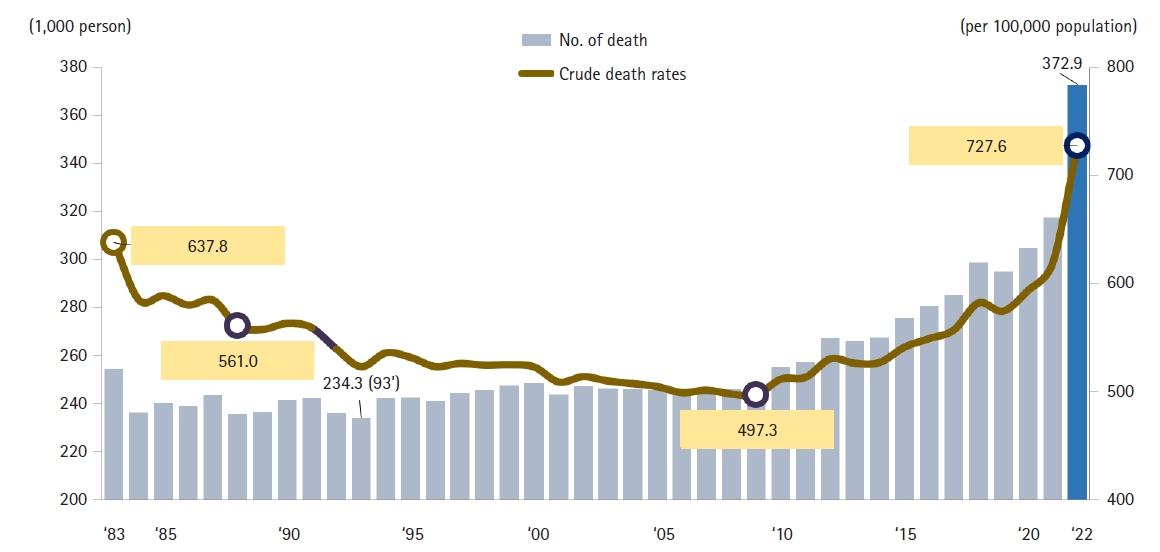
This study aimed to describe mortality trends in the Republic of Korea in 2022 by analyzing total deaths, crude and age-standardized mortality rates, as well as age- and sex-specific patterns and changes in cause-specific mortality. The analysis updates previous reports with newly available data from 2022.
Methods
A repeated cross-sectional analysis was performed using nationwide death certificate data collected through municipal administrative offices. Deaths occurring in 2022 were aggregated from reports filed over a 16-month period, spanning January 2022 to April 2023. Causes of death were classified according to the World Health Organization’s International Classification of Diseases. Quality assurance was ensured through administrative record linkage across 22 databases and validation using an independent infant mortality survey. Descriptive statistics were employed to summarize the findings.
Results
In 2022, Korea recorded 372,939 deaths (the highest annual total since 1983), corresponding to a crude death rate of 727.6 per 100,000 population. This increase contributed to a net population decline of 123,751. Mortality rates rose across most age groups, with particularly marked increases among those aged 1–9 and those aged 80 or older. Coronavirus disease 2019 (COVID-19) became the third leading cause of death (31,280 deaths; 61.0 per 100,000), driven largely by the Omicron variant and heightened infection rates among older adults. Pancreatic cancer overtook stomach cancer in the mortality rankings. There were sharp increases in deaths attributed to Alzheimer’s disease and diabetes. Although deaths from intentional self-harm declined, suicide remained a significant cause of death among younger individuals.
Conclusion
Korea experienced a record-high mortality rate in 2022, largely due to the impacts of COVID-19 and ongoing population aging. Notable shifts in cause-specific mortality were observed, including increases in deaths from Alzheimer’s disease, diabetes, and pancreatic cancer, underscoring evolving public health challenges.
  • 12,111 View
  • 45 Download

Review articles

[English]
The Mycobacterium avium complex (MAC), comprising M. avium and M. intracellulare, constitutes the predominant cause of nontuberculous mycobacterial pulmonary disease (NTM-PD) in Korea, followed by the M. abscessus complex. Its global prevalence is increasing, as shown by a marked rise in Korea from 11.4 to 56.7 per 100,000 individuals between 2010 and 2021, surpassing the incidence of tuberculosis. Among the older adult population (aged ≥65 years), the prevalence escalated from 41.9 to 163.1 per 100,000, accounting for 47.6% of cases by 2021. Treatment should be individualized based on prognostic indicators, including cavitary disease, low body mass index, and positive sputum smears for acid-fast bacilli. Current therapeutic guidelines recommend a 3-drug regimen—consisting of a macrolide, rifampin, and ethambutol—administered for a minimum of 12 months following culture conversion. Nevertheless, treatment success rates are only roughly 60%, and over 30% of patients experience recurrence. This is often attributable to reinfection rather than relapse. Antimicrobial susceptibility testing for clarithromycin and amikacin is essential, as resistance significantly worsens prognosis. Ethambutol plays a crucial role in preventing the development of macrolide resistance, whereas the inclusion of rifampin remains a subject of ongoing debate. Emerging therapeutic strategies suggest daily dosing for milder cases, increased azithromycin dosing, and the substitution of rifampin with clofazimine in severe presentations. Surgical resection achieves a notable sputum conversion rate of approximately 93% in eligible candidates. For refractory MAC-PD, adjunctive therapy with amikacin is advised, coupled with strategies to reduce environmental exposure. Despite advancements in therapeutic approaches, patient outcomes remain suboptimal, highlighting the urgent need for novel interventions.

Citations

Citations to this article as recorded by  
  • Recent advances in pulmonary tuberculosis, the application of deep learning to medical topics, and highlights from this issue of Ewha Medical Journal
    Hae-Sun Chung
    Ewha Medical Journal.2025; 48(2): e16.     CrossRef
  • Understanding recurrence in Mycobacterium avium complex pulmonary disease: genotypic strategies to support clinical decision-making
    Minh Phuong Trinh, Sung Jae Shin, Min-Kyoung Shin, Mark Nicol
    Journal of Clinical Microbiology.2025;[Epub]     CrossRef
  • 11,578 View
  • 192 Download
  • 2 Web of Science
  • 2 Crossref
[English]
Return to sports following arthroscopic Bankart repair: a narrative review
Shafira Widya Utami, Savina Rifky Pratiwi, Mitchel, Karina Sylvana Gani, Erica Kholinne
Ewha Med J 2024;47(2):e21.   Published online April 30, 2024
DOI: https://doi.org/10.12771/emj.2024.e21

A Bankart lesion is a tear of the labrum, the ring of cartilage that encircles the shoulder joint socket, that can occur when the shoulder is dislocated. This injury frequently affects young athletes and is associated with shoulder instability. This review was performed to provide an overview of anterior shoulder instability, with an emphasis on rehabilitation and the return to sports following arthroscopic Bankart repair. We searched the Google Scholar and PubMed academic databases through February 18th, 2024, utilizing keywords including “arthroscopic Bankart repair” and “return to sports”. Our findings indicate that athletes who undergo arthroscopic Bankart repair exhibit higher rates of returning to sports compared to those who receive other anterior shoulder stabilization procedures. Several factors are considered when determining readiness to return to athletics, including time elapsed since surgery, type of sport, strength, range of motion, pain, and proprioception. Surgeons typically advise athletes to wait approximately 6 months after surgery before resuming sports activities. They also recommend that athletes regain at least 80% of the strength of the uninjured shoulder or achieve strength levels comparable to those prior to the injury. Additionally, patients are expected to attain a full range of motion without pain, which should be symmetrical to the uninjured side, and demonstrate improved proprioception in the shoulder. The sport in which an athlete participates can also influence the timeline for return. Those involved in overhead sports, like baseball or tennis, often experience lower success rates in returning to their sport compared to athletes from other disciplines.

Citations
Citations to this article as recorded by  
  • Rehabilitation Strategies for Anterior Shoulder Instability in Patients with Post-Arthroscopic Bankart Repair
    Izzat Hassan, Saleh Shah, Muhammad Naveed Baber, Ifrah Suhail, Haseeb Hussain, Nida Iqbal
    The Healer Journal of Physiotherapy and Rehabilitation Sciences.2025; 5(3): 30.     CrossRef
  • 11,418 View
  • 90 Download
  • 1 Crossref

Guidelines

[Korean]
Strengthening the Reporting of Observational Studies in Epidemiology (STROBE): explanation and elaboration — a Korean translation
Jan P. Vandenbroucke, Erik von Elm, Douglas G. Altman, Peter C. Gøtzsche, Cynthia D. Mulrow, Stuart J. Pocock, Charles Poole, James J. Schlesselman, Matthias Egger
Ewha Med J 2024;47(2):e31.   Published online April 30, 2024
DOI: https://doi.org/10.12771/emj.2024.e31

의학 연구의 대부분은 관찰 연구이다. 관찰 연구의 보고는 종종 불충분한 품질을 보이기도 한다. 부실한 보고는 연구의 강점과 약점을 평가하고 연구 결과의 일반화 가능성을 평가하는 데 방해가 된다. 방법론 전문가, 연구자, 편집자 그룹은 경험적 근거와 이론적 고려 사항을 고려하여 관찰 연구 보고의 질을 개선하기 위한 역학 STROBE 권고안을 개발했다. STROBE statement은 논문의 제목, 초록, 서론, 방법, 결과 및 토론 부분에 대한 22개 항목의 체크리스트로 구성되어 있다. 18개 항목은 코호트연구, 환자 대조군 연구, 단면연구에 공통으로 적용되며, 4개 항목은 세 가지 연구설계 각각에 따라 다르다. STROBE statement는 저자에게 관찰 연구에 대한 보고를 개선하는 방법에 대한 지침을 제공하고 심사자, 편집자 및 독자가 연구를 비판적으로 평가하고 해석하는 데 도움이 된다. 이 설명 문서는 STROBE statement의 사용, 이해 및 보급을 향상 시키는 것이 목적이다. 각 체크리스트 항목의 의미와 근거가 제시되어 있다. 각 항목에 대해 하나 또는 여러 개의 출판된 예시 논문과 가능한 경우 관련 경험적 연구 및 방법론 문헌에 대한 내용이 참고사항으로 제공된다. 유용한 흐름도의 예도 포함되어 있다. 본 문서 및 관련 웹사이트(http://www.strobe-statement.org/)는 관찰 연구 보고를 개선하는 데 유용한 자료가 될 것이다.

Citations

Citations to this article as recorded by  
  • Assessment of simultaneous IgM, IgG avidity, and IgA testing in diagnosis of acute toxoplasmosis in pregnant women: a systematic review and meta-analysis study
    Mostafa Tork, Mitra Sadeghi, Hossein Asgarian-Omran, Bahareh Basirpour, Somayeh Ahmadi, Fatemeh Ghasemzadeh, Shahabeddin Sarvi, Shirzad Gholami, Seyed Abdollah Hosseini, Ahmad Daryani, Sargis A. Aghayan
    BMC Pregnancy and Childbirth.2025;[Epub]     CrossRef
  • Current practices and challenges in nutrition support team activities, 2025 in Korea: a multicenter cross-sectional descriptive study
    So Hyun Nam
    Ann Clin Nutr Metab.2025; 17(2): 97.     CrossRef
  • EUS-guided gallbladder drainage versus percutaneous gallbladder drainage in high-risk patients with acute cholecystitis: a propensity score-matched analysis
    Rishi Pawa, Nicholas Koutlas, Alexa Cecil, Robert Dorrell, Gregory Russell, Swati Pawa
    Therapeutic Advances in Gastroenterology.2025;[Epub]     CrossRef
  • 11,053 View
  • 97 Download
  • 1 Web of Science
  • 3 Crossref

Review articles

[English]
Prevalence and factors influencing postpartum depression and its culture-specific cutoffs for women in Asia: a scoping review
Bora Moon, Hyun Kyoung Kim, Ju-Hee Nho, Hyunkyung Choi, ChaeWeon Chung, Sook Jung Kang, Ju Hee Kim, Ju-Young Lee, Sihyun Park, Gisoo Shin, Ju-Eun Song, Min Hee Lee, Sue Kim
Ewha Med J 2025;48(1):e15.   Published online January 31, 2025
DOI: https://doi.org/10.12771/emj.2025.e15

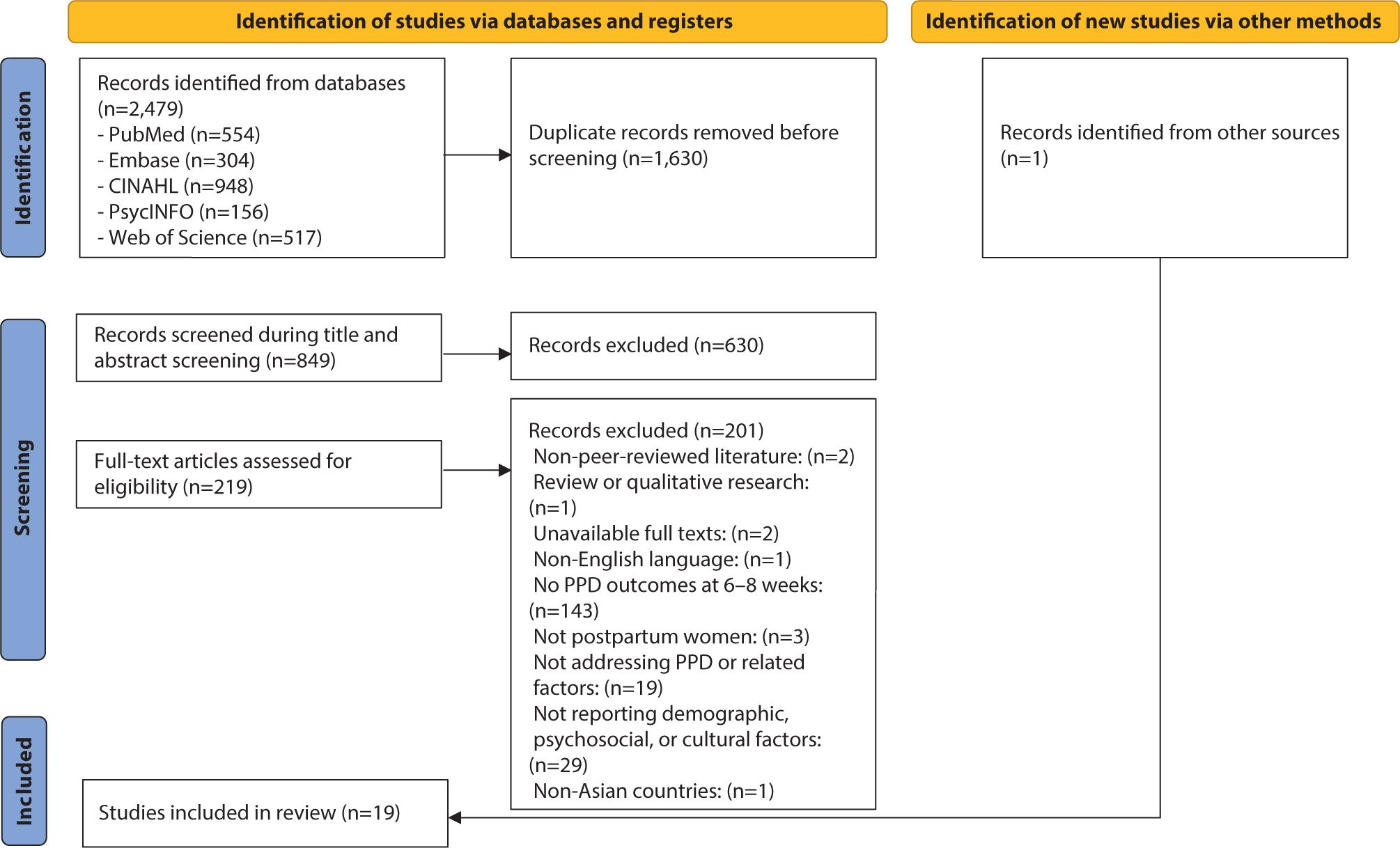
The prevalence of postpartum depression (PPD) in Asia is reported to range from 13.53% to 22.31%. However, there remains a gap in the identification of PPD, particularly regarding cultural cutoff points. Therefore, the purpose of this scoping review was to determine the prevalence and associated factors of PPD in Eastern, South-eastern, Western, and Southern Asian countries and analyze the cutoff points of the Edinburgh Postnatal Depression Scale (EPDS) used across these countries. Following Arksey and O'Malley’s five-step scoping review framework, the population was defined as mothers, the concept as the EPDS, and the context as the Asian region. A literature search was conducted using PubMed, Embase, CINAHL, PsycINFO, and Web of Science. The data analysis focused on demographic characteristics, EPDS cutoffs and features, PPD prevalence, and its associated factors. Nineteen studies were selected. Most countries used translated versions of the EPDS with demonstrated reliability and validity. The cutoff scores varied, with most using scores of 10 or higher. The prevalence of PPD ranged from 5.1% to 78.7%. Key associated factors for PPD included cultural factors such as relationships with in-laws and preferences for the newborn’s sex. To improve the accuracy of PPD screening in Asia, the EPDS should be used consistently, and appropriate cutoff criteria must be established. In addition, prevention strategies and programs that reflect the cultural characteristics and social context of Asia need to be developed for the early detection and prevention of PPD.

  • 10,331 View
  • 100 Download

Special topic: cutting-edge technologies in radiation therapy

[English]
Challenges and opportunities to integrate artificial intelligence in radiation oncology: a narrative review
Chiyoung Jeong, YoungMoon Goh, Jungwon Kwak
Ewha Med J 2024;47(4):e49.   Published online October 31, 2024
DOI: https://doi.org/10.12771/emj.2024.e49

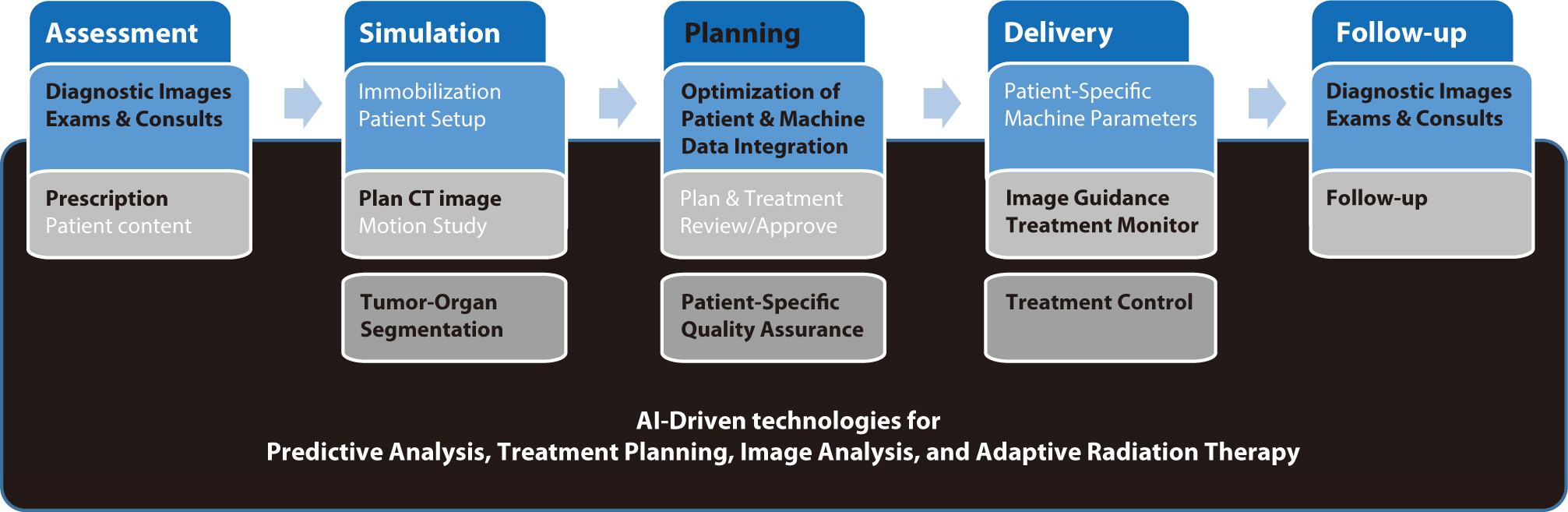
Artificial intelligence (AI) is rapidly transforming various medical fields, including radiation oncology. This review explores the integration of AI into radiation oncology, highlighting both challenges and opportunities. AI can improve the precision, efficiency, and outcomes of radiation therapy by optimizing treatment planning, enhancing image analysis, facilitating adaptive radiation therapy, and enabling predictive analytics. Through the analysis of large datasets to identify optimal treatment parameters, AI can automate complex tasks, reduce planning time, and improve accuracy. In image analysis, AI-driven techniques enhance tumor detection and segmentation by processing data from CT, MRI, and PET scans to enable precise tumor delineation. In adaptive radiation therapy, AI is beneficial because it allows real-time adjustments to treatment plans based on changes in patient anatomy and tumor size, thereby improving treatment accuracy and effectiveness. Predictive analytics using historical patient data can predict treatment outcomes and potential complications, guiding clinical decision-making and enabling more personalized treatment strategies. Challenges to AI adoption in radiation oncology include ensuring data quality and quantity, achieving interoperability and standardization, addressing regulatory and ethical considerations, and overcoming resistance to clinical implementation. Collaboration among researchers, clinicians, data scientists, and industry stakeholders is crucial to overcoming these obstacles. By addressing these challenges, AI can drive advancements in radiation therapy, improving patient care and operational efficiencies. This review presents an overview of the current state of AI integration in radiation oncology and insights into future directions for research and clinical practice.

Citations

Citations to this article as recorded by  
  • Cutting-edge technologies in external radiation therapy
    Jun Won Kim
    The Ewha Medical Journal.2024;[Epub]     CrossRef
  • Institution-Specific Autosegmentation for Personalized Radiotherapy Protocols
    Wonyoung Cho, Gyu Sang Yoo, Won Dong Kim, Yerim Kim, Jin Sung Kim, Byung Jun Min
    Progress in Medical Physics.2024; 35(4): 205.     CrossRef
  • 9,902 View
  • 124 Download
  • 2 Web of Science
  • 2 Crossref
[English]

This review aims to highlight the importance of research on structural, functional, molecular-biological, and disease-specific sex differences in the brain, and to examine current bibliometric indicators related to research on sex differences. The Web of Science Core Collection was searched for related articles from 2010 to 2023. Structural and functional brain differences according to sex, including variations in communication patterns between hemispheres, may play a role in mental disorders. Sex differences in neurotransmitters such as serotonin, dopamine, and γ-aminobutyric acid contribute to disparities in mental health, addiction, and neurodevelopmental conditions. Neurodevelopmental disorders such as autism spectrum disorder and schizophrenia exhibit sex-based differences in prevalence, symptoms, brain changes, and neurotransmitter disruptions under hormonal influence. There is a growing body of research on depression, adolescence, the hippocampus, the amygdala, and cognition, highlighting the importance of considering sex/gender factors. Recent studies on sex differences in brain diseases have identified variations in brain structure, function, and neurophysiological substances, as well as in hormones and genes between the sexes. The incidence of psychiatric disorders such as autism spectrum disorder, depression, anxiety, and Alzheimer’s disease is increasingly being linked to sex differences, and the need for research into the mechanisms underlying these differences is gaining recognition. However, there remains a significant gap in sex-specific neuroscience research related to the diagnosis, treatment, prevention, and management of these conditions. Advancing inclusive research will require comprehensive training, a consensus on methodology, diverse perspectives through collaborative frameworks, governmental/institutional support, and dedicated funding to create suitable research environments and implementation strategies.

Citations
Citations to this article as recorded by  
  • The impact of sex/gender-specific funding and editorial policies on biomedical research outcomes: a cross-national analysis (2000–2021)
    Heajin Kim, Jinseo Park, Sejung Ahn, Heisook Lee
    Scientific Reports.2024;[Epub]     CrossRef
  • 9,847 View
  • 50 Download
  • 1 Crossref

Review Article

[English]

Enhanced recovery after surgery (ERAS) aims to promote postoperative recovery in patients by minimizing the surgical stress response through evidence-based multimodal interventions. In 2023, updated clinical practice guidelines were published in North America, potentially superseding the most recent guidelines previously announced at the ERAS Society in 2019. This review compares and reviews these two guidelines to examine the principle of ERAS and items related to colorectal surgery and to introduce the latest relevant study results published within the last 5 years. In the pre-hospitalization stage, the concept of pre-hospitalization is emphasized; this involves checking and reinforcing the patient’s nutritional status and physical functional status before surgery. In the preoperative stage, large-scale studies have prompted a change in the recommendation of mechanical bowel preparation combined with oral antibiotics in elective colorectal surgery. In the intraoperative stage, laparoscopic surgery has become a widespread and important component of ERAS, and more technologically advanced single-incision laparoscopic surgery and robotic surgery are the focus of active research. Ileus-prevention items, such as opioid-sparing multimodal pain management and euvolemic fluid therapy, are recommended in the postoperative stage. The adoption of ERAS protocols is expanding to encompass a wide range of surgical procedures, clinical scenarios, healthcare institutions, and professional medical societies. In order to maximize the effect by increasing adherence to ERAS, medical staff must fully understand the clinical basis and meaning of each item, and the protocol must be maintained and developed steadily through a team approach and audit system.

Citations

Citations to this article as recorded by  
  • ERAS and Gastrointestinal Site Infections: Insights from a Comprehensive Systematic Review and Meta-Analysis
    Zhiwei Wu, Xiaofang Ge, Dike Shi
    Surgical Infections.2024; 25(9): 699.     CrossRef
  • Emerging Infectious Diseases at the End of the Fourth Year of the COVID-19 Pandemic and Recent Updates on Colorectal and Pediatric Endocrine Diseases
    Sun Huh
    The Ewha Medical Journal.2023;[Epub]     CrossRef
  • 9,751 View
  • 17 Download
  • 1 Web of Science
  • 2 Crossref

Review articles

[English]
Heart failure (HF) represents a significant global health burden characterized by high morbidity, mortality, and healthcare utilization. Traditional in-person care models face considerable limitations in providing continuous monitoring and timely interventions for HF patients. Telemedicine—defined as the remote delivery of healthcare via information and communication technologies—has emerged as a promising solution to these challenges. This review examines the evolution, current applications, clinical evidence, limitations, and future directions of telemedicine in HF management. Evidence from randomized controlled trials and meta-analyses indicates that telemedicine interventions can improve guideline-directed medical therapy implementation, reduce hospitalization rates, improve patient engagement, and potentially decrease mortality among HF patients. Remote monitoring systems that track vital signs, symptoms, and medication adherence allow for the early detection of clinical deterioration, enabling timely interventions before decompensation occurs. Despite these benefits, telemedicine implementation faces several barriers, including technological limitations, reimbursement issues, digital literacy gaps, and challenges in integrating workflows. Future directions include developing standardized guidelines, designing patient-centered technologies, and establishing hybrid care models that combine virtual and in-person approaches. As healthcare systems worldwide seek more efficient and effective strategies for managing the growing population of individuals with HF, telemedicine offers a solution that may significantly improve patient outcomes and quality of life.

Citations

Citations to this article as recorded by  
  • Recent advances in pulmonary tuberculosis, the application of deep learning to medical topics, and highlights from this issue of Ewha Medical Journal
    Hae-Sun Chung
    Ewha Medical Journal.2025; 48(2): e16.     CrossRef
  • Impact of Telemedicine Technologies on Treatment Adherence in Patients with Chronic Heart Failure: a Systematic Review and Meta-Analysis
    A. A. Garanin, O. A. Rubanenko, Yu. A. Trusov, D. V. Senyushkin, A. V. Kolsanov
    Kardiologiia.2025; 65(10): 27.     CrossRef
  • 9,554 View
  • 89 Download
  • 2 Web of Science
  • 2 Crossref
[English]
Nutritional management for breast cancer patients
Minjeong Kim, Minkyoung Lee, Jisun Sa
Ewha Med J 2025;48(1):e11.   Published online January 31, 2025
DOI: https://doi.org/10.12771/emj.2025.e11

Breast cancer is a complex disease influenced by environmental, genetic, dietary, and hormonal factors. This underscores the importance of postoperative nutritional management in supporting recovery, minimizing complications, and enhancing long-term outcomes. This review synthesizes clinical guidelines, expert recommendations, and observational studies to provide a comprehensive overview of dietary interventions for breast cancer patients following surgery. Post-surgical nutritional care is centered around three primary objectives: supporting wound healing through high-quality protein intake, maintaining optimal nutritional status to prevent malnutrition, and promoting healthy lifestyle habits to reduce the risk of recurrence. To achieve these objectives, postoperative dietary strategies focus on several key components: ensuring adequate hydration for metabolic processes and tissue repair, consuming a balanced diet rich in fresh vegetables and fruits to mitigate oxidative stress, incorporating whole grains to support overall healing, and maintaining sufficient intake of high-quality protein from sources such as fish, meat, and dairy products to aid tissue repair and immune system recovery. Patients are also advised to avoid alcohol, limit saturated fats, and reduce intake of salty, sugary, and smoked foods to minimize inflammation. As research progresses, the implementation of personalized dietary plans remains essential for optimizing recovery outcomes in breast cancer patients.

  • 9,180 View
  • 281 Download

Special topic: cutting-edge technologies in radiation therapy

[English]
Clinical indications and future directions of carbon-ion radiotherapy: a narrative review
Seo Hee Choi, Woong Sub Koom, Hong In Yoon, Kyung Hwan Kim, Chan Woo Wee, Jaeho Cho, Yong Bae Kim, Ki Chang Keum, Ik Jae Lee
Ewha Med J 2024;47(4):e56.   Published online October 31, 2024
DOI: https://doi.org/10.12771/emj.2024.e56

Carbon-ion radiotherapy (CIRT) offers superior dose distributions and greater biological effectiveness than conventional photon-based radiotherapy (RT). Due to its higher linear energy transfer and relative biological effectiveness, CIRT is particularly effective against radioresistant tumors and those located near critical organs. Since the first dedicated CIRT facility was established in Japan in 1994, CIRT has demonstrated remarkable efficacy against various malignancies, including head and neck tumors, skull base and upper cervical spine tumors, non-small-cell lung cancer, hepatocellular carcinoma, pancreatic cancer, prostate cancer, and bone and soft tissue sarcomas. This narrative review provides a comprehensive overview of the current status of CIRT, highlighting its clinical indications and future directions. According to clinical studies, CIRT achieves high local control rates with manageable toxicity across multiple cancer types. For instance, in head and neck tumors (e.g., adenoid cystic carcinoma and mucosal melanoma), CIRT has achieved local control rates exceeding 80%. In early-stage non-small-cell lung cancer, CIRT has resulted in local control rates over 90% with minimal toxicity. Moreover, CIRT has shown promise in treating challenging cases of hepatocellular carcinoma and pancreatic cancer, where conventional therapies are limited. Nonetheless, the global adoption of CIRT remains limited due to high costs and complexity. Future directions include conducting randomized controlled trials to establish high-level evidence, integrating new technologies such as ultrahigh-dose-rate (FLASH) therapy, and expanding CIRT facilities globally with strategic planning and cost-effectiveness analyses. If these challenges are addressed, CIRT is poised to play a transformative role in cancer treatment, improving survival rates and the quality of life.

  • 8,946 View
  • 55 Download
  • 1 Web of Science
[English]
Chronic obstructive pulmonary disease (COPD) is a leading cause of respiratory morbidity and mortality, most often linked to smoking. However, growing evidence indicates that previous tuberculosis (TB) infection is also a critical risk factor for COPD. This review aimed at providing a comprehensive perspective on TB-COPD, covering its epidemiologic significance, pathogenesis, clinical characteristics, and current management approaches. Tuberculosis-associated chronic obstructive pulmonary disease (TB-COPD) is characterized by persistent inflammatory responses, altered immune pathways, and extensive structural lung damage—manifested as cavitation, fibrosis, and airway remodeling. Multiple epidemiologic studies have shown that individuals with a history of TB have a significantly higher likelihood of developing COPD and experiencing worse outcomes, such as increased breathlessness and frequent exacerbations. Key pathogenic mechanisms include elevated matrix metalloproteinase activity and excessive neutrophil-driven inflammation, which lead to alveolar destruction, fibrotic scarring, and the development of bronchiectasis. Treatment generally follows current COPD guidelines, advocating the use of long-acting bronchodilators and the selective application of inhaled corticosteroids. Studies have demonstrated that indacaterol significantly improves lung function and respiratory symptoms, while long-acting muscarinic antagonists have shown survival benefits.

Citations

Citations to this article as recorded by  
  • Recent advances in pulmonary tuberculosis, the application of deep learning to medical topics, and highlights from this issue of Ewha Medical Journal
    Hae-Sun Chung
    Ewha Medical Journal.2025; 48(2): e16.     CrossRef
  • History of Pulmonary Tuberculosis Accelerates Early Onset and Severity of COPD: Evidence from a Multicenter Study in Romania
    Ramona Cioboata, Silviu Gabriel Vlasceanu, Denisa Maria Mitroi, Ovidiu Mircea Zlatian, Mara Amalia Balteanu, Gabriela Marina Andrei, Viorel Biciusca, Mihai Olteanu
    Journal of Clinical Medicine.2025; 14(17): 5980.     CrossRef
  • Bidirectional Association Between Tuberculosis and Chronic Obstructive Pulmonary Disease: A Systematic Review and Meta-Analysis
    Jingyuan Feng, Minghao Hu, Hongfei Duan
    Journal of Clinical Medicine.2025; 14(21): 7639.     CrossRef
  • Immune Mechanisms of the Comorbid Course of Chronic Obstructive Pulmonary Disease and Tuberculosis
    Stanislav Kotlyarov, Dmitry Oskin
    BIOCELL.2025; 49(9): 1631.     CrossRef
  • 8,878 View
  • 306 Download
  • 4 Web of Science
  • 4 Crossref

Opinion

[English]

Citations

Citations to this article as recorded by  
  • Expansion of medical school admission quotas in Korea, is it really necessary?
    Jeong Hun Park, Jungchan Lee, Kye-Hyun Kim, Yo Han Shin, Seog-Kyun Mun
    BMC Public Health.2025;[Epub]     CrossRef
  • A creative and innovative platform leading a sustainable society by the 150th anniversary of Ewha Womans University: a presidential farewell address
    Eun Mee Kim
    The Ewha Medical Journal.2025;[Epub]     CrossRef
  • Halted medical education and medical residents’ training in Korea, journal metrics, and appreciation to reviewers and volunteers
    Sun Huh
    Journal of Educational Evaluation for Health Professions.2025; 22: 1.     CrossRef
  • Korea’s 2024 reduction in medical research output amid physician residents’ resignation
    Jeong-Ju Yoo, Hyun Bin Choi, Young-Seok Kim, Sang Gyune Kim
    Ewha Medical Journal.2025; 48(2): e36.     CrossRef
  • Reflections on 25 hours a day at Ewha Womans University College of Medicine from August 2021 to January 2025: a dean’s farewell message
    Eunhee Ha
    Ewha Medical Journal.2025; 48(2): e20.     CrossRef
  • Current challenges in Korean medical research and highlights from this issue of Annals of Clinical Microbiology
    Hae-Sun Chung
    Annals of Clinical Microbiology.2025; 28(2): 11.     CrossRef
  • Media discourse on physician assistant nurses in South Korea: a text network and topic modeling approach
    Young Gyu Kwon, Daun Jeong, Song Hee Park, Mi Kyung Kim, Chan Woong Kim
    Journal of Korean Academy of Nursing.2025; 55(3): 388.     CrossRef
  • How should medical students and young physicians prepare to be National Assembly members in Korea?
    Hyun-Yung Shin
    The Ewha Medical Journal.2024;[Epub]     CrossRef
  • Unresolved policy on the new placement of 2,000 entrants at Korean medical schools and this issue of Ewha Medical Journal
    Sun Huh
    The Ewha Medical Journal.2024;[Epub]     CrossRef
  • Medical crisis in 2024: challenges for Korea’s medical policy
    Hyoung Wook Park
    Journal of the Korean Medical Association.2024; 67(7): 432.     CrossRef
  • Halted medical education in Korea amid Nobel Prizes in deep learning and machine learning research, tribute to a leader of Ewha Womans University College of Medicine, and highlights from this issue
    Sun Huh
    The Ewha Medical Journal.2024;[Epub]     CrossRef
  • 8,709 View
  • 17 Download
  • 10 Web of Science
  • 11 Crossref

Review Article

[English]
Updates in the Management of Graves Disease in Children
Yun Jeong Lee
Ewha Med J 2023;46(s1):e31.   Published online December 31, 2023
DOI: https://doi.org/10.12771/emj.2023.e31
ABSTRACT

Graves disease (GD) is the primary cause of hyperthyroidism in children. The standard management options—namely, antithyroid drugs (ATD), radioactive iodine, and surgery—have not changed for many years. Although ATD therapy is often the first-line treatment for pediatric patients, the low likelihood of spontaneous remission means that most children will require a more permanent solution. Recent clinical trials and systematic reviews have shed light on the long-term outcomes of ATD therapy, radioactive iodine, and surgical interventions in managing pediatric GD. Additionally, novel therapies aimed at B-cells or the thyroid-stimulating hormone receptor, both implicated in the pathogenesis of GD, are under investigation. However, their definitive role in treating childhood GD has yet to be established. This review will cover the latest developments in the treatment of childhood GD, including information on emerging targeted therapies.

Citations

Citations to this article as recorded by  
  • Emerging Infectious Diseases at the End of the Fourth Year of the COVID-19 Pandemic and Recent Updates on Colorectal and Pediatric Endocrine Diseases
    Sun Huh
    The Ewha Medical Journal.2023;[Epub]     CrossRef
  • 8,179 View
  • 93 Download
  • 1 Crossref

Health statistics

[English]
Dementia-related death statistics in Korea between 2013 and 2023
Seokmin Lee
Ewha Med J 2025;48(2):e35.   Published online March 31, 2025
DOI: https://doi.org/10.12771/emj.2025.00304
Purpose
This study aimed to analyze dementia-related death statistics in Korea between 2013 and 2023.
Methods
The analysis utilized microdata from Statistics Korea’s cause-of-death statistics. Among all recorded deaths, those related to dementia were extracted and analyzed using the underlying cause-of-death codes from the International Classification of Diseases, 10th revision.
Results
The number of dementia-related deaths increased from 8,688 in 2013 to 14,402 in 2023. The crude death rate rose from 17.2 per 100,000 in 2013 to 28.2 per 100,000 in 2023, although the age-standardized death rate declined from 9.7 to 8.7 over the same period. The dementia death rate is 2.1 times higher in women than in men, and mortality among individuals aged 85 and older exceeds 976 per 100,000. By specific cause, Alzheimer’s disease accounted for 77.1% of all dementia deaths, and by place, the majority occurred in hospitals (76.2%), followed by residential institutions including nursing homes (15.3%) in 2023.
Conclusion
The rising mortality associated with dementia, especially Alzheimer’s disease, highlights a growing public health concern in Korea. These findings support the need for enhanced prevention efforts, improved quality of care, and targeted policies addressing the complexities of dementia management. It is anticipated that this empirical analysis will contribute to reducing the social burden.

Citations

Citations to this article as recorded by  
  • Recent advances in pulmonary tuberculosis, the application of deep learning to medical topics, and highlights from this issue of Ewha Medical Journal
    Hae-Sun Chung
    Ewha Medical Journal.2025; 48(2): e16.     CrossRef
  • 8,155 View
  • 51 Download
  • 1 Web of Science
  • 1 Crossref

Review articles

[English]
Management strategies for advanced hepatocellular carcinoma with portal vein tumor thrombosis
Jeayeon Park, Su Jong Yu
Ewha Med J 2025;48(1):e4.   Published online January 31, 2025
DOI: https://doi.org/10.12771/emj.2025.e4

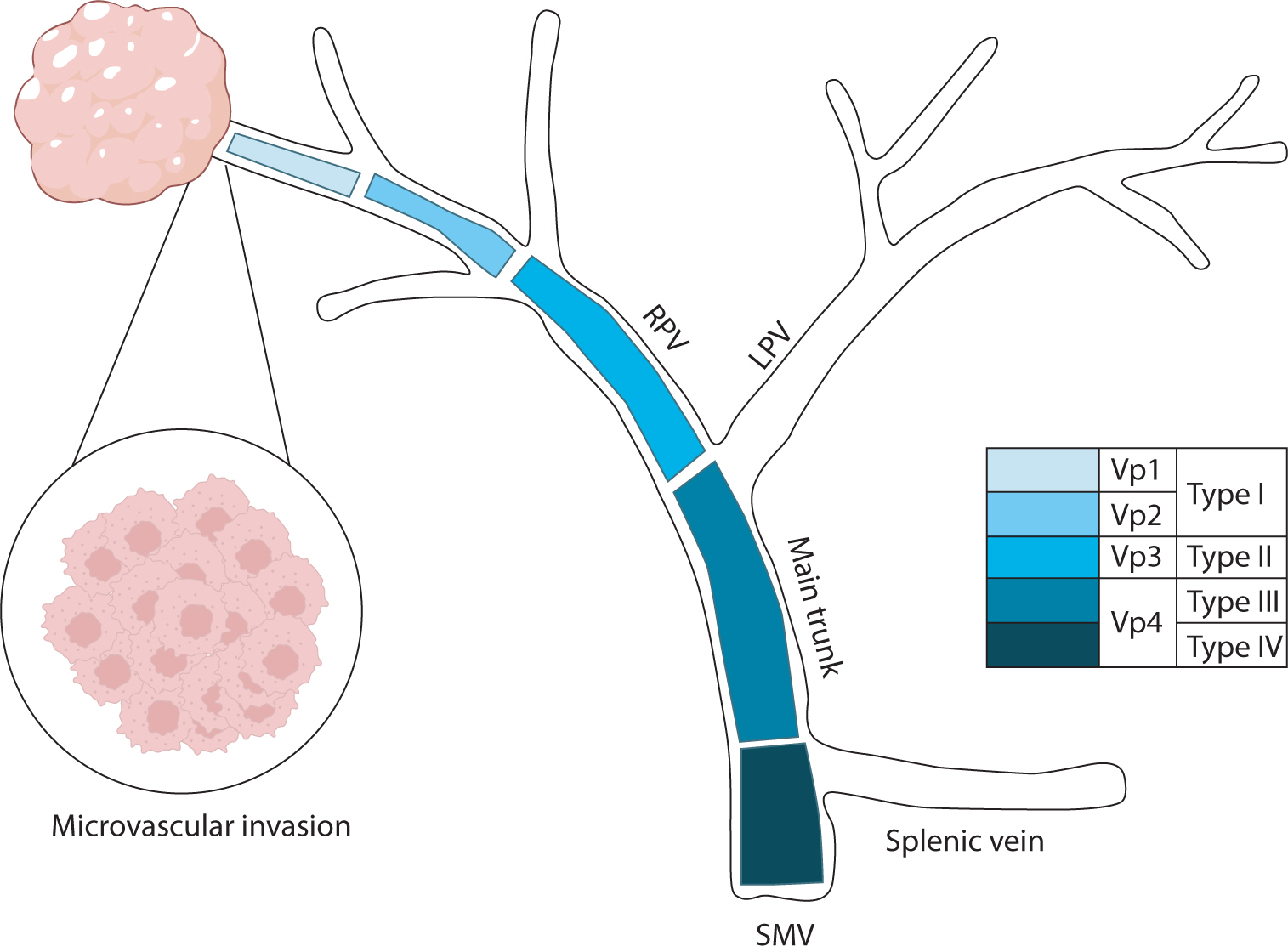
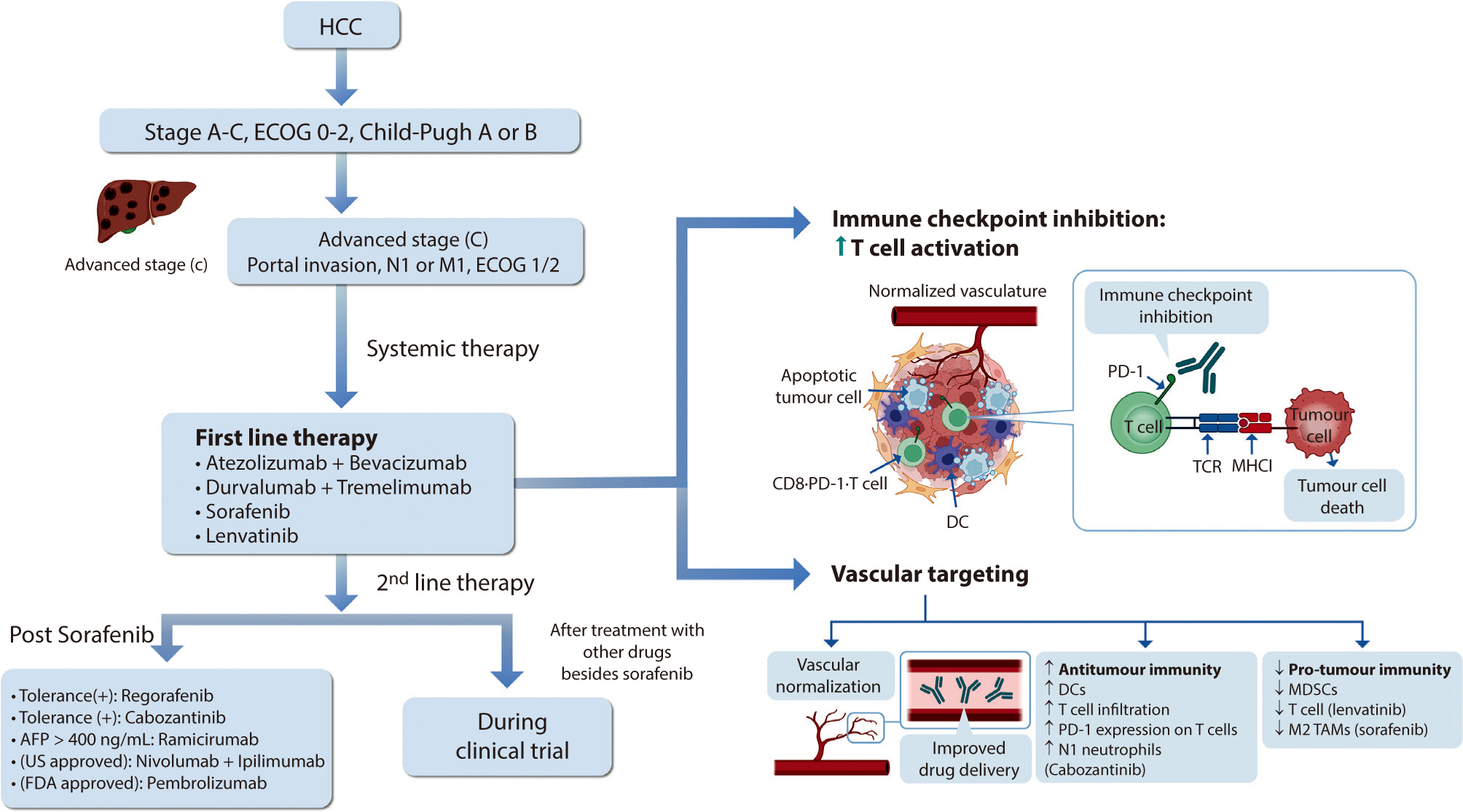
Hepatocellular carcinoma with portal vein tumor thrombosis presents a significant therapeutic challenge due to its poor prognosis and limited treatment options. This review thoroughly examines diagnostic methods, including imaging techniques and classification systems such as the Japanese Vp and Cheng’s classifications, to aid in clinical decision-making. Treatment strategies encompass liver resection and liver transplantation, particularly living donor liver transplantation after successful downstaging, which have shown potential benefits in selected cases. Locoregional therapies, including hepatic arterial infusion chemotherapy, transarterial chemoembolization, transarterial radioembolization, and external beam radiation therapy, remain vital components of treatment. Recent advancements in systemic therapies, such as sorafenib, lenvatinib, and immune checkpoint inhibitors (e.g., atezolizumab plus bevacizumab) have demonstrated improvements in overall survival and progression-free survival. These developments underscore the importance of a multidisciplinary and personalized approach to improve outcomes for patients with hepatocellular carcinoma and portal vein tumor thrombosis.

  • 7,946 View
  • 117 Download
[English]

Enhanced recovery after surgery (ERAS) protocols are designed to minimize surgical stress, preserve physiological function, and expedite recovery through standardized perioperative care for primary colorectal surgery patients. This narrative review explores the benefits of current ERAS protocols in improving outcomes for these patients and provides insights into future advancements. Numerous studies have shown that ERAS protocols significantly reduce the length of hospital stays by several days compared to conventional care. Additionally, the implementation of ERAS is linked to a reduction in postoperative complications, including lower incidences of surgical site infections, anastomotic leaks, and postoperative ileus. Patients adhering to ERAS protocols also benefit from quicker gastrointestinal recovery, marked by an earlier return of bowel function. Some research indicates that colorectal cancer patients undergoing surgery with ERAS protocols may experience improved overall survival rates. High compliance with ERAS protocols leads to better outcomes, yet achieving full adherence continues to be a challenge. Despite these advantages, implementation challenges persist, with compliance rates affected by varying clinical practices and resource availability. However, the future of ERAS looks promising with the incorporation of prehabilitation strategies and technologies such as wearable devices and telemedicine. These innovations provide real-time monitoring, enhance patient engagement, and improve postoperative follow-up, potentially transforming perioperative care in colorectal surgery and offering new avenues for enhanced patient outcomes.

Citations

Citations to this article as recorded by  
  • Impact of “Enhanced Recovery After Surgery” (ERAS) protocols vs. traditional perioperative care on patient outcomes after colorectal surgery: a systematic review
    Vaishnavi Kannan, Najeeb Ullah, Sunitha Geddada, Amir Ibrahiam, Zahraa Munaf Shakir Al-Qassab, Osman Ahmed, Iana Malasevskaia
    Patient Safety in Surgery.2025;[Epub]     CrossRef
  • 7,687 View
  • 53 Download
  • 1 Web of Science
  • 1 Crossref

Original Article

[English]

Objectives: This study aimed to evaluate the applicability of the Denver Developmental Screening Test (DDST) for Korean children and to develop a Korean version reflecting the developmental characteristics of children in Seoul.

Methods: The DDST was administered to 2,140 children, aged 2 weeks to 6 years and 4 months, in Seoul between July 1985 and September 1986. Participants were recruited from the pediatric departments and counseling centers of several hospitals, excluding those with conditions affecting development. Certain test items were aligned with the Korean context. Inter-examiner reliability was evaluated based on 32 children, while validity was assessed with 30 children using standard developmental scales. The Probit method was employed for statistical analysis.

Results: Children from Seoul exhibited more rapid development than their counterparts in Denver and Tokyo across all four developmental domains: personal-social, fine motor-adaptive, language, and gross motor. Specifically, Korean children displayed earlier development for 10 items within the personal-social domain, eight within fine motor-adaptive, seven in language, and seven in the gross motor domain. This advanced development was consistent across age groups. Inter-examiner reliability averaged 97.3%, and validity tests demonstrated high concordance with established developmental scales.

Conclusion: The rapid development of Korean children may be attributed to close attention paid by parents and early exposure to educational materials. However, the potential role of genetic differences cannot be denied. The occupational distribution of the fathers in the sample did not differ significantly from that of the Seoul population; thus, these findings were applied to establish a standardized Korean DDST.

Citations

Citations to this article as recorded by  
  • Halted medical education in Korea amid Nobel Prizes in deep learning and machine learning research, tribute to a leader of Ewha Womans University College of Medicine, and highlights from this issue
    Sun Huh
    The Ewha Medical Journal.2024;[Epub]     CrossRef
  • 7,436 View
  • 81 Download
  • 1 Web of Science
  • 1 Crossref

Review article

Special topic: role of institutes related to the occupational and environmental diseases in Korea

[English]
Occupational disease monitoring by the Korea Occupational Disease Surveillance Center: a narrative review
Dong-Wook Lee, Inah Kim, Jungho Hwang, Sunhaeng Choi, Tae-Won Jang, Insung Chung, Hwan-Cheol Kim, Jaebum Park, Jungwon Kim, Kyoung Sook Jeong, Youngki Kim, Eun-Soo Lee, Yangwoo Kim, Inchul Jeong, Hyunjeong Oh, Hyeoncheol Oh, Jea Chul Ha, Jeehee Min, Chul Gab Lee, Heon Kim, Jaechul Song
Ewha Med J 2025;48(1):e9.   Published online January 31, 2025
DOI: https://doi.org/10.12771/emj.2025.e9

This review examines the challenges associated with occupational disease surveillance in Korea, particularly emphasizing the limitations of current data sources such as the Industrial Accident Compensation Insurance (IACI) statistics and special health examinations. The IACI system undercounts cases due to its emphasis on severe diseases and restrictions on approvals. Special health examinations, although they cover a broad workforce, are constrained by their annual scheduling, which leads to missed acute illnesses and subclinical conditions. The paper also explores the history of occupational disease surveillance in Korea, highlighting the fragmented and disease-specific approach of earlier systems. The authors introduce the newly established Korea Occupational Disease Surveillance Center (KODSC), a comprehensive nationwide system designed to gather, analyze, and interpret data on occupational diseases through a network of regional centers. By incorporating hospital-based surveillance and focusing on acute poisonings and other sentinel events, the KODSC aims to overcome the limitations of previous systems and promote collaboration with various agencies. Although it is still in the early stages of implementation, the KODSC demonstrates potential for improving data accuracy and contributing valuable insights for public health policy.

Citations

Citations to this article as recorded by  
  • Occupational Toxic Effect Episodes in a University Hospital, 2021–2024: A Descriptive Analysis Within the Korean Occupational Disease Surveillance Center
    Yangwoo Kim, Ha-Eun Lee, Jei Kim, Tae-Won Jang
    Safety and Health at Work.2025;[Epub]     CrossRef
  • Occupational and Environmental Health Screening Cohort of Yangsan Korea (OEC-YK): 2012–2023
    Dongmug Kang, Eun-Soo Lee, Se-Yeong Kim, Youngki Kim, Youn Hyang Lee, Yoon-Ji Kim
    Annals of Occupational and Environmental Medicine.2025; 37: e32.     CrossRef
  • 7,394 View
  • 69 Download
  • 1 Web of Science
  • 2 Crossref

Review Article

[English]

In stage IV colorectal cancer (CRC), peritoneal metastasis is associated with a poor prognosis. Hyperthermic intraperitoneal chemotherapy (HIPEC) after cytoreductive surgery (CRS) is an effective treatment option that offers survival benefits in patients with peritoneal metastatic CRC. For over the past several decades, a multitude of studies have been conducted on CRS and HIPEC for peritoneal metastatic diseases, and research in this area is ongoing. Proper patient selection and a meticulous preoperative assessment are crucial for achieving successful postoperative outcomes. The completeness of cytoreduction and the surgical techniques employed are key factors in improving oncologic outcomes following CRS and HIPEC. The role of HIPEC for both therapeutic and prophylactic purposes is currently being evaluated in recent clinical trials. This article reviews the fundamental principles of CRS combined with HIPEC and discusses recent clinical trials concerning the treatment of CRS and HIPEC in CRC patients with peritoneal carcinomatosis.

  • 6,675 View
  • 20 Download

Review article

[English]
Sex differences in the prevalence of common comorbidities in autism: a narrative review
Yoo Hwa Hong, Da-Yea Song, Heejeong Yoo
Ewha Med J 2025;48(1):e79.   Published online January 31, 2025
DOI: https://doi.org/10.12771/emj.2024.e79

Autism spectrum disorder involves challenges in social communication and restricted, repetitive behaviors. Historically, males have received autism diagnoses at comparatively high rates, prompting an underrepresentation of females in research and an incomplete understanding of sex-specific symptom presentations and comorbidities. This review examines sex differences in the prevalence of common comorbidities of autism to inform tailored clinical practices. These conditions include attention deficit hyperactivity disorder, anxiety disorders, conduct disorder, depression, epilepsy, intellectual disability, and tic disorders. Attention deficit hyperactivity disorder is prevalent in both sexes; however, females may more frequently exhibit the inattentive subtype. Anxiety disorders display inconsistent sex differences, while conduct disorder more frequently impacts males. Depression becomes more common with age; some studies indicate more pronounced symptoms in adolescent girls, while others suggest greater severity in males. Epilepsy is more prevalent in females, especially those with intellectual disabilities. Despite displaying a male predominance, intellectual disability may exacerbate the severity of autism to a greater degree in females. No clear sex differences have been found regarding tic disorders. Overall, contributors to sex-based differences include biases stemming from male-centric diagnostic tools, compensatory behaviors like camouflaging in females, genetic and neurobiological differences, and the developmental trajectories of comorbidities. Recognizing these factors is crucial for developing sensitive diagnostics and sex-specific interventions. Inconsistencies in the literature highlight the need for longitudinal studies with large, diverse samples to investigate autism comorbidities across the lifespan. Understanding sex differences could facilitate earlier identification, improved care, and personalized interventions, thus enhancing quality of life for individuals with autism.

Citations

Citations to this article as recorded by  
  • Exploring Sociodemographic, Parental, and Temporal Correlates of Mental Health Disorders in Child and Adolescent Psychotherapy: A Clinic‐Based Investigation
    Esther Richter, Sara Edraki, Elke Humer
    Journal of Child and Adolescent Psychiatric Nursing.2025;[Epub]     CrossRef
  • 6,620 View
  • 70 Download
  • 1 Web of Science
  • 1 Crossref

Original articles

[English]
Purpose
This study aimed to leverage Shapley additive explanation (SHAP)-based feature engineering to predict appendix cancer. Traditional models often lack transparency, hindering clinical adoption. We propose a framework that integrates SHAP for feature selection, construction, and weighting to enhance accuracy and clinical relevance.
Methods
Data from the Kaggle Appendix Cancer Prediction dataset (260,000 samples, 21 features) were used in this prediction study conducted from January through March 2025, in accordance with TRIPOD-AI guidelines. Preprocessing involved label encoding, SMOTE (synthetic minority over-sampling technique) to address class imbalance, and an 80:20 train-test split. Baseline models (random forest, XGBoost, LightGBM) were compared; LightGBM was selected for its superior performance (accuracy=0.8794). SHAP analysis identified key features and guided 3 engineering steps: selection of the top 15 features, construction of interaction-based features (e.g., chronic severity), and feature weighting based on SHAP values. Performance was evaluated using accuracy, precision, recall, and F1-score.
Results
Four LightGBM model configurations were evaluated: baseline (accuracy=0.8794, F1-score=0.8691), feature selection (accuracy=0.8968, F1-score=0.8860), feature construction (accuracy=0.8980, F1-score=0.8872), and feature weighting (accuracy=0.8986, F1-score=0.8877). SHAP-based engineering yielded performance improvements, with feature weighting achieving the highest precision (0.9940). Key features (e.g., red blood cell count and chronic severity) contributed to predictions while maintaining interpretability.
Conclusion
The SHAP-based framework substantially improved the accuracy and transparency of appendix cancer predictions using LightGBM (F1-score=0.8877). This approach bridges the gap between predictive power and clinical interpretability, offering a scalable model for rare disease prediction. Future validation with real-world data is recommended to ensure generalizability.

Citations

Citations to this article as recorded by  
  • Uncovering Key Factors of Student Performance in Math: An Explainable Deep Learning Approach Using TIMSS 2019 Data
    Abdelamine Elouafi, Ilyas Tammouch, Souad Eddarouich, Raja Touahni
    Information.2025; 16(6): 480.     CrossRef
  • Concurrent high-grade appendiceal mucinous neoplasm and adenocarcinoma: a unique case report and literature review
    Mohammed N AlAli, Jawad S Alnajjar, Mohamed S Essa, Arwa F Alrasheed, Ruba M Alzuhairi, Nouf A Alromaih, Sadiq M Amer, Mohammed Sbaih
    Journal of Surgical Case Reports.2025;[Epub]     CrossRef
  • Infrared window properties of AB₂C₄ (A=Zn; B In, Ga; C Te, Se) materials via machine learning and density functional theory
    Changcheng Chen, Chunlian Xiong, Xinhui Zhang, Chunling Zhang, Yue Cheng, Weijun Wang, Wenkang Yu, Xunzhe Zhang, Jinkang Yu, Zhengjun Wang, Xiaoning Guan, Jiangzhou Xie, Yaxin Xu, Gang Liu, Pengfei Lu
    Journal of Alloys and Compounds.2025; 1044: 184560.     CrossRef
  • 6,419 View
  • 82 Download
  • 3 Web of Science
  • 3 Crossref
[English]
Status of human rights violations and trauma among North Korean defectors: a cross-sectional study
So Hee Lee, Won Woong Lee, Haewoo Lee, Jin Yong Jun, Jin-Won Noh
Ewha Med J 2025;48(2):e28.   Published online April 10, 2025
DOI: https://doi.org/10.12771/emj.2025.00367
Purpose
This study aimed to identify the types of human rights violations and the associated psychological trauma experienced by North Korean defectors. It also examined the impact of trauma on the defectors’ interpersonal relationships, employment, and overall quality of life, while evaluating existing psychological support policies to suggest potential improvements.
Methods
A multidisciplinary research team conducted an observational survey and in-depth interviews with approximately 300 North Korean defectors residing in South Korea from June to September 2017. Standardized measurement tools, including the Post-Traumatic Stress Disorder (PTSD) Checklist (PCL-5), Patient Health Questionnaire-9 (PHQ-9), Generalized Anxiety Disorder Scale-7 (GAD-7), and Short Form-8 Health Survey (SF-8), were employed. Statistical analyses consisted of frequency analysis, cross-tabulation, factor analysis, and logistic regression.
Results
The findings revealed a high prevalence of human rights violations, such as public executions (82%), forced self-criticism (82.3%), and severe starvation or illness (62.7%). Additionally, there were elevated rates of PTSD (56%), severe depression (28.3%), anxiety (25%), and insomnia (23.3%). Defectors who resided in China before entering South Korea reported significantly worse mental health outcomes and a lower quality of life. Moreover, trauma was strongly and negatively correlated with social adjustment, interpersonal relationships, employment stability, and overall well-being.
Conclusion
An urgent revision of existing policies is needed to incorporate specialized, trauma-informed care infrastructures within medical institutions. Furthermore, broad societal education to reduce stigma and enhance integration efforts is essential to effectively support the psychological well-being and social integration of North Korean defectors.

Citations

Citations to this article as recorded by  
  • Recent advances in pulmonary tuberculosis, the application of deep learning to medical topics, and highlights from this issue of Ewha Medical Journal
    Hae-Sun Chung
    Ewha Medical Journal.2025; 48(2): e16.     CrossRef
  • 6,380 View
  • 87 Download
  • 1 Web of Science
  • 1 Crossref

Review article

[English]
Sex differences in coronary atherogenesis: a narrative review
Hack-Lyoung Kim
Ewha Med J 2024;47(2):e15.   Published online April 30, 2024
DOI: https://doi.org/10.12771/emj.2024.e15

Coronary artery disease (CAD) remains the leading cause of mortality worldwide, driven primarily by atherogenesis. Recent efforts to understand sex differences in CAD have revealed distinct patterns in disease burden, risk factors, and clinical presentations. This review examines these sex differences in CAD, underscoring the importance of customized diagnostic and management strategies. Although men typically have higher rates of CAD prevalence and incidence, women face unique challenges, such as delayed diagnosis, atypical symptoms, and lower rates of medication prescription. Hormonal, genetic, and lifestyle factors all play a role in these disparities, with estrogen notably reducing CAD risk in women. Nontraditional risk factors, including chronic inflammation, psychological stress, socioeconomic status, and reproductive history, also contribute to CAD development and are often neglected in clinical settings. Addressing these differences requires increased awareness, more accurate diagnosis, and equitable healthcare access for both sexes. Furthermore, greater inclusion of women in CAD research is essential to better understand sex-specific mechanisms and optimize treatment outcomes. Personalizing CAD management based on sex-specific knowledge has the potential to improve prognosis and decrease disease incidence for both men and women.

Citations

Citations to this article as recorded by  
  • Difference of Coronary Artery Disease in Women and Men in Recent Trials
    Geetha Subramanian, Pavithra Muthusamy, Thiagarajan Kaliyamurthy, Manohar Ganesan
    Indian Journal of Cardiovascular Disease in Women.2025; 10: 131.     CrossRef
  • Mortality patterns of coronary artery diseases and atrial fibrillation in adults in the United States from 1999 to 2022: An analysis using CDC WONDER
    Muzamil Akhtar, Muhammad Hamza Dawood, Muheem Khan, Muhammad Raza, Mehmood Akhtar, Sultana Jahan, Matthew Bates, Aneesh Challa, Raheel Ahmed, Abdul Khaliq Naveed, Yasar Sattar
    The American Journal of the Medical Sciences.2025; 370(1): 59.     CrossRef
  • Interaction between triglyceride-glucose-body mass index and age in coronary artery stenosis severity: a sex-stratified exploratory analysis​
    Pingxiong Zeng, Jingdan Deng, Yuting Zhong, Liping Zhong, Yuanjun Zhou, Yilin Liao, Zhiyan Xu
    BMC Cardiovascular Disorders.2025;[Epub]     CrossRef
  • Trends and Disparities in Mortality due to Diabetes Mellitus and Sepsis in the US Adults: 1999–2023
    Asad Gul Rao, Sufyan Shahid, Neha Pervez, Ramsha Pervez, Raheel Ahmed
    Endocrinology, Diabetes & Metabolism.2025;[Epub]     CrossRef
  • A Multi-Biomarker Approach to Increase the Accuracy of Diagnosis and Management of Coronary Artery Disease
    Lenka Hostačná, Jana Mašlanková, Dominik Pella, Beáta Hubková, Mária Mareková, Daniel Pella
    Journal of Cardiovascular Development and Disease.2024; 11(9): 258.     CrossRef
  • 6,317 View
  • 71 Download
  • 5 Crossref

Health Statistics

[English]
Drug-induced death statistics in Korea between 2011 and 2021
Seokmin Lee
Ewha Med J 2024;47(2):e27.   Published online April 30, 2024
DOI: https://doi.org/10.12771/emj.2024.e27
Objectives:

This study analyzed drug-induced death statistics in Korea between 2011 and 2021.

Methods:

Cause-of-death statistics data from Statistics Korea were examined based on the Korean Standard Classification of Diseases and Causes of Death and the International Statistical Classification of Diseases and Related Health Problems, 10th revision.

Results:

In 2021, there were 559 drug-induced deaths, marking a 172.7% increase compared to 2011, which recorded 205 deaths. The rate of drug-induced deaths per 100,000 people was 1.1 in 2021, up 153.6% from 0.4 in 2011. The mortality rate for men aged 25−34 years and women aged 35−44 years each increased fourfold from 2011 to 2021: from 0.3 to 1.2 for the former and 0.3 to 1.3 for the latter. Of the drug-induced deaths in 2021, 75.0% (419/559) were due to intentional self-harm, and 10.4% (58/559) were accidental. The number of deaths attributed to medical narcotics in 2021 was 169, a 5.5-fold increase from 2011. The most commonly implicated drugs in these deaths were sedative-hypnotic drugs, benzodiazepines, and opioids. Sedative-hypnotic drugs and benzodiazepines were frequently involved in cases of intentional self-harm, while opioids and psychostimulants were more often associated with accidental deaths.

Conclusion:

The death rate from drug-induced causes is considerably lower in Korea than in the United States (1.1 vs. 29.2). However, the number of such deaths has increased recently. Since these deaths occur predominantly among younger age groups and are often the result of intentional self-harm, there is a clear need for systematic management and the implementation of targeted policies.

Citations

Citations to this article as recorded by  
  • Predictors of self-assessed likelihood of future drug use among Korean adults: the role of health beliefs and personality traits
    Joon-Yong Yang, Minhye Kim, Aeree Sohn
    BMC Public Health.2025;[Epub]     CrossRef
  • Proposal for the Activation of Drug Rehabilitation Centers
    Kyung-ae Nam, Sun-Kyeong Park
    Korean Journal of Clinical Pharmacy.2024; 34(4): 222.     CrossRef
  • Gender equity in medicine, artificial intelligence, and other articles in this issue
    Sun Huh
    The Ewha Medical Journal.2024;[Epub]     CrossRef
  • 6,289 View
  • 28 Download
  • 3 Crossref

Original Article

[English]
Comparison of the long-term outcomes of cast immobilization methods in distal radius fractures: a systematic review of randomized controlled trials
Maria Florencia Deslivia, Claudia Santosa, Sherly Desnita Savio, Erica Kholinne, Made Bramantya Karna, Anak Agung Gde Yuda Asmara
Ewha Med J 2024;47(4):e51.   Published online October 31, 2024
DOI: https://doi.org/10.12771/emj.2024.e51

Objectives: Conservative treatment for distal radius fractures typically involves closed reduction and immobilization with a plaster cast. However, no consensus exists regarding the best method and duration for immobilization. This study investigated the functional outcomes associated with different plaster cast application techniques in the treatment of stable distal radius fractures.

Methods: A systematic search was performed in accordance with PRISMA guidelines for studies in the last 5 years. The inclusion criteria were randomized controlled trials that investigated non-operative treatments for distal radius fractures. We excluded studies with short-term follow-up (less than 3 months), ongoing trials, those that did not directly address fractures, and studies involving the use of sugar-tong splints or non-circular immobilization. The outcomes evaluated included subjective measures (Disabilities of the Arm, Shoulder and Hand score; Patient-Rated Wrist Evaluation score; Mayo Wrist Score; and visual analog scale) and objective outcomes (complication rate and radiological parameters).

Results: We included seven articles from 2017 to 2022. These studies reported a total of 542 fractures, predominantly in women, with a mean age of over 50 years. Both short and long arm casts demonstrated similar functional and radiological outcomes. A longer immobilization period (>3 weeks) should be considered to prevent re-displacement.

Conclusion: In stable fractures treated conservatively, the use of both short and long arm casts resulted in comparable functional outcomes in older patients. Immobilization for at least 3 weeks is recommended, as it provided similar clinical and radiological outcomes compared to longer periods of immobilization (level of evidence: 2A).

  • 5,845 View
  • 39 Download

Review articles

Special topic: recent management strategies for liver cancer

[English]
Current perspectives on the pharmacological treatment of advanced hepatocellular carcinoma: a narrative review
Hye-Jin Yoo, Jeong-Ju Yoo, Sang Gyune Kim, Young Seok Kim
Ewha Med J 2024;47(4):e53.   Published online October 31, 2024
DOI: https://doi.org/10.12771/emj.2024.e53

Hepatocellular carcinoma (HCC) remains a critical health concern in Korea, ranking as the second leading cause of cancer mortality and imposing substantial economic burdens, particularly among the working-age population. This review examines recent advancements in treating advanced HCC, referencing the updated 2022 HCC guidelines and the Barcelona Clinical Liver Cancer system. Historically, first-line systemic therapies included sorafenib and lenvatinib, with regorafenib, cabozantinib, or ramucirumab serving as second-line options. Since 2020, immune checkpoint inhibitors have shown superior overall survival than sorafenib, leading to the adoption of combination therapies such as atezolizumab with bevacizumab and durvalumab with tremelimumab as first-line treatments. The IMbrave150 study demonstrated that atezolizumab–bevacizumab significantly extended median overall survival and progression-free survival, with the longest survival reported in any phase 3 trial for advanced HCC. Similarly, the HIMALAYA study indicated that durvalumab combined with tremelimumab significantly improved survival rates. Second-line therapies now include regorafenib, cabozantinib, ramucirumab, nivolumab with ipilimumab, and pembrolizumab, each offering benefits for specific patient populations. Nonetheless, these therapies are associated with side effects that require careful management. Traditional targeted therapies can lead to hypertension, cardiovascular events, and hand-foot skin reactions, whereas immune checkpoint inhibitors may cause immune-related adverse events affecting the skin, gastrointestinal tract, and endocrine system. Clinicians must be well-versed in these treatments and their potential side effects to provide optimal patient care. The emergence of combination therapies targeting complex biological pathways signifies a new paradigm in HCC treatment, emphasizing the importance of continuous education and vigilant monitoring to optimize patient outcomes.

Citations
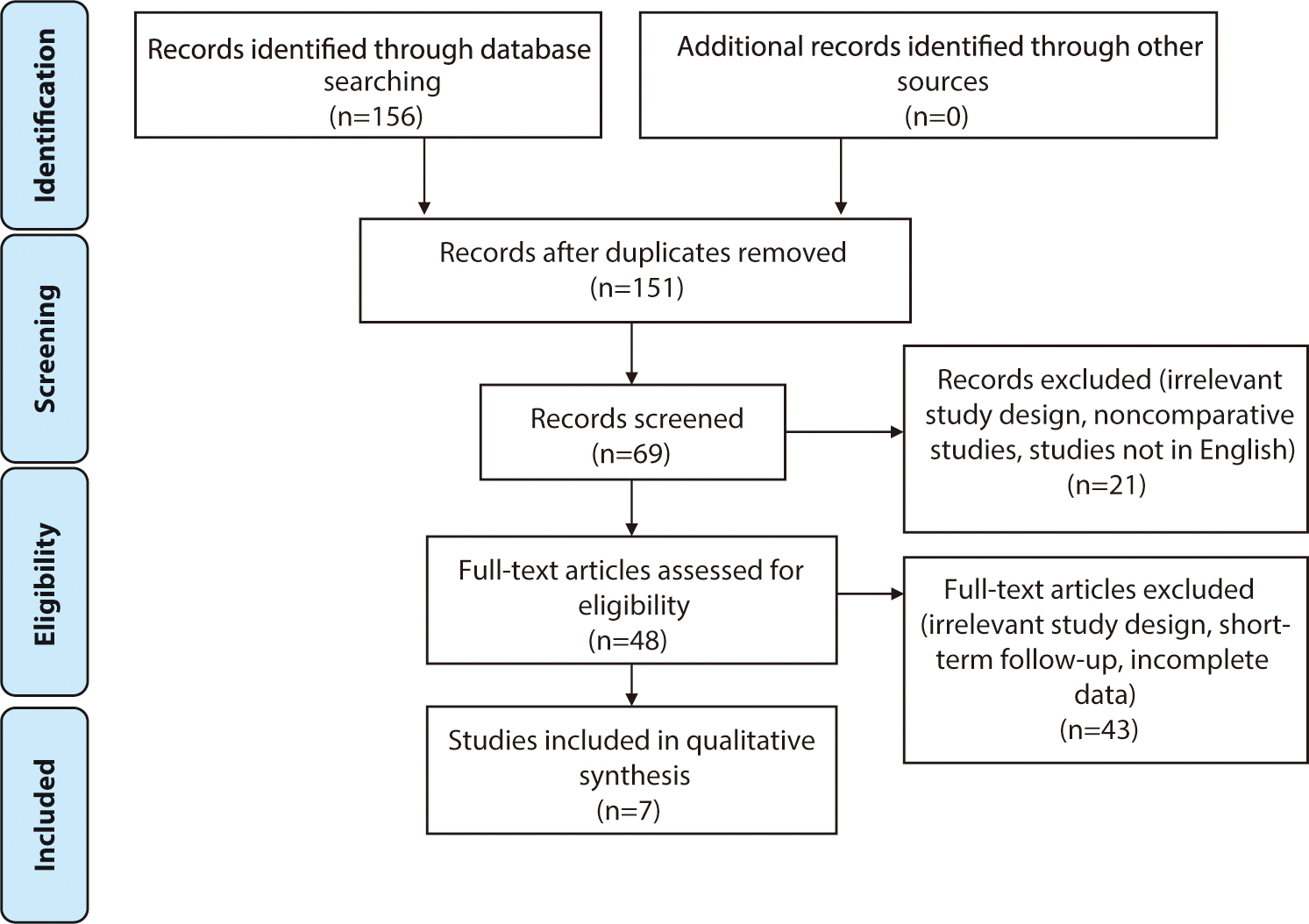
Citations to this article as recorded by  
  • Novel Immunotherapy for Advanced Hepatocellular Carcinoma
    Hyun Bin Choi, Jeong-Ju Yoo
    The Korean Journal of Medicine.2025; 100(3): 102.     CrossRef
  • 5,419 View
  • 37 Download
  • 1 Web of Science
  • 1 Crossref
[English]

The availability of combined antiretroviral therapy has significantly reduced the number of new HIV infections and the associated mortality, and HIV infection has become a chronic disease with long-term survival. In Korea, more than 1,000 new HIV infections have been registered annually since 2013. After peaking at 1,223 in 2019, the number of new infections decreased between 2020 and 2023. In 2023, the majority of newly HIV-infected people were men, and the proportions of young people under 40 years, homosexual contacts and foreigners increased. Acquired immunodeficiency syndrome (AIDS)-related deaths from opportunistic infections associated with immunosuppression and AIDS-defining cancers are gradually decreasing, whereas non-AIDS defining comorbidities such as non-AIDS defining cancers, cardiovascular disease and metabolic complications are emerging as major causes of death. Since the introduction of zidovudine, approximately 30 antiretroviral drugs have been approved for the treatment of HIV infection. Early and continuous antiretroviral treatment for all people living with HIV is an effective strategy for maintaining viral suppression and preventing transmission of HIV infection. In conclusion, achieving the 95–95–95 target among those living with HIV in Korea requires multifaceted efforts to improve early diagnosis, early and proper treatment of HIV infection including the management of chronic diseases, and adherence to antiretroviral therapy.

Citations

Citations to this article as recorded by  
  • İŞVERENİN BİLDİRİMSİZ FESİH HAKKI BAKIMINDAN “İŞÇİNİN HIV ENFEKSİYONUNUN” DEĞERLENDİRİLMESİ
    Muharrem Emre Ulusoy
    Hacettepe Hukuk Fakültesi Dergisi.2025; 15(2): 303.     CrossRef
  • Unresolved policy on the new placement of 2,000 entrants at Korean medical schools and this issue of Ewha Medical Journal
    Sun Huh
    The Ewha Medical Journal.2024;[Epub]     CrossRef
  • 5,361 View
  • 55 Download
  • 2 Crossref

Review Articles

[English]
Postoperative Rehabilitation of Elbow Pain
Hyojune Kim, Kyoung Hwan Koh, In-Ho Jeon
Ewha Med J 2023;46(4):e16.   Published online October 31, 2023
DOI: https://doi.org/10.12771/emj.2023.e16
ABSTRACT

The elbow joint, with its intricate anatomy, plays a pivotal role in the upper limb's functional movements. Common surgical indications include epicondylitis, osteoarthritis, tendon tears, and neuropathies. Irrespective of the nature of surgery, appropriate postoperative rehabilitation is essential to enhance recovery, optimize functional outcomes, and minimize complications. Protective measures for the elbow vary based on the surgical procedure is performed. Extended postoperative immobilization is generally not advised. Temporary splints may be utilized to protect the soft tissues in the immediate aftermath of surgery, with patients advised to intermittently remove them to facilitate elbow movement. To increase mobility while ensuring the safety of repaired tendons or ligaments, articulated dynamic braces are recommended. This review delivers clinically useful recommendations specific to various surgical procedures, designed to be user-friendly even for non-specialists in orthopaedic surgery.

  • 5,326 View
  • 41 Download
[English]
What is the role of artificial intelligence in general surgery?
Seung Min Baik, Ryung-Ah Lee
Ewha Med J 2024;47(2):e22.   Published online April 30, 2024
DOI: https://doi.org/10.12771/emj.2024.e22

The capabilities of artificial intelligence (AI) have recently surged, largely due to advancements in deep learning inspired by the structure and function of the neural networks of the human brain. In the medical field, the impact of AI spans from diagnostics and treatment recommendations to patient engagement and monitoring, considerably improving efficiency and outcomes. The clinical integration of AI has also been examined in specialties, including pathology, radiology, and oncology. General surgery primarily involves manual manipulation and includes preoperative, intraoperative, and postoperative care, all of which are critical for saving lives. Other fields have strived to utilize and adopt AI; nonetheless, general surgery appears to have retrogressed. In this review, we analyzed the published research, to understand how the application of AI in general surgery differs from that in other medical fields. Based on previous research in other fields, the application of AI in the preoperative stage is nearing feasibility. Ongoing research efforts aim to utilize AI to improve and predict operative outcomes, enhance performance, and improve patient care. However, the use of AI in the operating room remains significantly understudied. Moreover, ethical responsibilities are associated with such research, necessitating extensive work to gather evidence. By fostering interdisciplinary collaboration and leveraging lessons from AI success stories in other fields, AI tools could be specifically tailored for general surgery. Surgeons should be prepared for the integration of AI into clinical practice to achieve better outcomes; therefore, the time has come to consider ethical and legal implications.

Citations

Citations to this article as recorded by  
  • Gender equity in medicine, artificial intelligence, and other articles in this issue
    Sun Huh
    The Ewha Medical Journal.2024;[Epub]     CrossRef
  • 5,150 View
  • 56 Download
  • 1 Crossref

Original Article

[English]
Objectives:

During the COVID-19 pandemic, the first seasonal influenza epidemic was declared in the 37th week of 2022 in Korea and has continued through the winter of 2023–2024. However, this finding has not been observed in the United States and Europe. The present study aimed to determine whether the prolonged influenza epidemic in Korea from 2022 to 2023 was caused by using a different influenza epidemic threshold compared to the thresholds used in the United States and Europe.

Methods:

Korea, the United States, and Europe use different methods to set seasonal influenza epidemic thresholds. First, we calculated the influenza epidemic thresholds for influenza seasons using the different methods of those three regions. Using these epidemic thresholds, we then compared the duration of influenza epidemics for the most recent three influenza seasons.

Results:

The epidemic thresholds estimated by the Korean method were lower than those by the other methods, and the epidemic periods defined using the Korean threshold were estimated to be longer than those defined by the other regions’ thresholds.

Conclusion:

A low influenza epidemic threshold may have contributed to the prolonged influenza epidemic in Korea, which was declared in 2022 and has continued until late 2023. A more reliable epidemic threshold for seasonal influenza surveillance needs to be established in Korea.

Citations

Citations to this article as recorded by  
  • Pertussis epidemic in Korea and implications for epidemic control
    Joowon Lee
    Infectious Diseases.2025; 57(2): 207.     CrossRef
  • Gender equity in medicine, artificial intelligence, and other articles in this issue
    Sun Huh
    The Ewha Medical Journal.2024;[Epub]     CrossRef
  • 5,101 View
  • 28 Download
  • 2 Web of Science
  • 2 Crossref

Review Articles

[English]
Management of Hyperphagia and Obesity in Prader–Willi Syndrome
JiHoon Hwang, Sung Yoon Cho
Ewha Med J 2023;46(s1):e32.   Published online December 31, 2023
DOI: https://doi.org/10.12771/emj.2023.e32
ABSTRACT

Prader-Willi syndrome (PWS) is a neurodevelopmental disorder caused by the absence of paternally expressed imprinted genes on chromosome 15q11–13. Individuals with PWS typically experience feeding difficulties and a lack of appetite in infancy, followed by weight gain, uncontrolled appetite, and a lack of satiety. Hyperphagia in PWS is exacerbated by impaired satiety, low energy expenditure, and intellectual difficulties, including obsessive-compulsive disorder and/or autistic behaviors. Without rigorous external management of their eating behaviors, patients with PWS become severely obese and are at a higher risk of obesity-related morbidities, such as type 2 diabetes, obstructive sleep apnea, and hypertension. Moreover, the main causes of death for PWS are obesity-related comorbidities, such as renal failure, pulmonary embolism, and respiratory and heart failure. Clinical experiences with different supplements, diets, and other methods have not been encouraging. However, therapeutic options for patients with PWS may be improving, based on recent clinical trials for a number of medications. This report reviews the causes and management of hyperphagia, as well as previous and recent clinical trials aimed at treating hyperplasia in PWS. We are optimistic that the novel treatments currently in development will help alleviate the complex metabolic issues associated with PWS.

Citations

Citations to this article as recorded by  
  • Emerging Infectious Diseases at the End of the Fourth Year of the COVID-19 Pandemic and Recent Updates on Colorectal and Pediatric Endocrine Diseases
    Sun Huh
    The Ewha Medical Journal.2023;[Epub]     CrossRef
  • 5,081 View
  • 45 Download
  • 1 Crossref
[English]
Differential Diagnosis of Elbow Pain
Hyung-Jin Chung, Yong-Bum Joo, Jae-Young Park, Woo-Yong Lee
Ewha Med J 2023;46(4):e13.   Published online October 31, 2023
DOI: https://doi.org/10.12771/emj.2023.e13
ABSTRACT

Elbow pain is a common symptom encountered in clinical practice. Pathology can arise from any component of the joint, including the bone, tendons, ligament, bursa, or nerves. This paper discusses how elbow pain can be differentiated according to its anatomic location and presents the corresponding causes, diagnosis, and treatment options.

  • 5,057 View
  • 87 Download

Review articles

Special topic: role of institutes related to the occupational and environmental diseases in Korea

[English]
Trauma counseling centers for psychological support to manage trauma from workplace injuries in Korea: a narrative review
Chang Sook Kim, Jeong-Ok Kong, Jung-Wan Koo
Ewha Med J 2025;48(1):e12.   Published online January 31, 2025
DOI: https://doi.org/10.12771/emj.2025.e12

This review describes a psychological support service designed to address post-traumatic stress disorder in workers impacted by workplace injuries, assisting in their recovery and facilitating their return to work. It explores the rationale and context behind establishing trauma counseling centers for these individuals, along with the status, roles, future directions, and recommendations for these centers. The review details the operational framework and functions of the workplace injury trauma management program, the scope of the impacts of such injury, the groups targeted for crisis intervention, and the psychological interventions tailored to each stage of recovery. Initiated as a pilot project in 2018, trauma counseling centers for workers have gradually become more common, with 23 centers in operation across Korea as of 2024.

Citations

Citations to this article as recorded by  
  • The age of trauma: the prevalence and psychological impact of potentially traumatic exposures in South Korea
    Gaeun Son, Jihee Jang, Euntaek Hong, Subin Park, Yun-Kyeung Choi, Kee-Hong Choi
    Frontiers in Psychiatry.2025;[Epub]     CrossRef
  • 5,024 View
  • 29 Download
  • 1 Crossref

Special topic: recent management strategies for liver cancer

[English]
Imaging findings of intrahepatic cholangiocarcinoma for prognosis prediction and treatment decision-making: a narrative review
Jun Gu Kang, Taek Chung, Dong Kyu Kim, Hyungjin Rhee
Ewha Med J 2024;47(4):e66.   Published online October 31, 2024
DOI: https://doi.org/10.12771/emj.2024.e66

Intrahepatic cholangiocarcinoma (iCCA) is a heterogeneous bile duct adenocarcinoma with a rising global incidence and a poor prognosis. This review aims to present a comprehensive overview of the most recent radiological research on iCCA, focusing on its histopathologic subclassification and the use of imaging findings to predict prognosis and inform treatment decisions. Histologically, iCCA is subclassified into small duct (SD-iCCA) and large duct (LD-iCCA) types. SD-iCCA typically arises in the peripheral small bile ducts and is often associated with chronic hepatitis or cirrhosis. It presents as a mass-forming lesion with a relatively favorable prognosis. LD-iCCA originates near the hepatic hilum, is linked to chronic bile duct diseases, and exhibits more aggressive behavior and poorer outcomes. Imaging is essential for differentiating these subtypes and assessing prognostic factors like tumor size, multiplicity, vascular invasion, lymph node metastasis, enhancement patterns, and intratumoral fibrosis. Imaging-based prognostic models have demonstrated predictive accuracy comparable to traditional pathological staging systems. Furthermore, imaging findings are instrumental in guiding treatment decisions, including those regarding surgical planning, lymphadenectomy, neoadjuvant therapy, and the selection of targeted therapies based on molecular profiling. Advancements in radiological research have improved our understanding of iCCA heterogeneity, facilitating prognosis prediction and treatment personalization. Imaging findings assist in subclassifying iCCA, predicting outcomes, and informing treatment decisions, thus optimizing patient management. Incorporating imaging-based approaches into clinical practice is crucial for advancing personalized medicine in the treatment of iCCA. However, further high-level evidence from international multicenter prospective studies is required to validate these findings and increase their clinical applicability.

  • 4,977 View
  • 68 Download

Review Article

[English]
Diagnosis and Management of Osteoporosis in Children and Adolescents
Hye Young Jin, Eu Seon Noh, Il Tae Hwang
Ewha Med J 2023;46(4):e18.   Published online October 31, 2023
DOI: https://doi.org/10.12771/emj.2023.e18
ABSTRACT

Recent advances in medicine have led to an increase in the number of children and adolescents treated for various chronic diseases and cancer. Increasingly sophisticated genetic analysis techniques have also clarified some genetic factors that contribute to bone fragility. Osteoporosis, characterized by reduced bone mass and skeletal fragility, can result from primary or secondary causes that originate in childhood and adolescence, which are critical periods for bone mineral acquisition. It is essential to identify children and adolescents at risk of fractures due to osteoporosis, and early intervention is crucial. Conservative management strategies, such as treating underlying diseases, replacing deficient hormones, providing nutritional support to meet calcium and vitamin D requirements, and encouraging regular physical activity, should be prioritized. Pharmacological treatment should be initiated in a timely manner following a comprehensive bone health examination. Intravenous pamidronate therapy has been safely and effectively administered to children and adolescents, although long-term follow-up is necessary. Further investigation is needed regarding bone fragility fractures of unknown etiology and the application of new medications for pediatric use.

Citations

Citations to this article as recorded by  
  • Idiopathic Juvenile Osteoporosis Diagnosed in Adulthood: The First Documented Case in Georgia
    Giorgi Akhvlediani, Nana Nakaidze, Elene Dzodzuashvili, Nino Gabidzashvili, Elene Dopidze, Ana Mikaberidze, Kristine Ambriashvili
    Cureus.2025;[Epub]     CrossRef
  • 4,906 View
  • 54 Download
  • 1 Crossref

Review articles

Special topic: role of institutes related to the occupational and environmental diseases in Korea

[English]
Challenges from 14 years of experience at Workers' Health Centers in basic occupational health services for micro and small enterprises in Korea: a narrative review
Jeong-Ok Kong, Yeongchull Choi, Seonhee Yang, Kyunghee Jung-Choi
Ewha Med J 2025;48(1):e7.   Published online January 31, 2025
DOI: https://doi.org/10.12771/emj.2025.e7

Health and safety issues in micro and small enterprises (MSEs) are recognized as a global challenge. This study aimed to examine Workers' Health Centers (WHCs) as a representative public organization providing occupational health services to MSEs in Korea. WHCs were established in 2011 after a trial period aimed at addressing occupational diseases in MSEs with limited resources. As of 2024, there are 24 WHCs, 22 branch offices, and 23 trauma counseling centers for workers. These health centers are managed by the Korea Occupational Safety and Health Agency, with their actual operation delegated to private organizations. Each WHC employs an average of 13 staff members and is organized into four specialized teams: cardiovascular disease prevention, workplace environment improvement, musculoskeletal disease prevention, and occupational stress management. These centers also offer common basic programs along with region-specific specialized initiatives. In 2023, the total cumulative number of users reached 203,877, with employees from MSEs comprising approximately 88.5% of the total. WHCs can thus be seen as playing a pivotal role as case managers of health requirements in the workplace by fostering strong relationships with MSEs and linking them to other relevant programs through a problem-solving-oriented approach. Given the limited resources of these enterprises, proactive policies and the equitable application of safety and health regulations are essential. A balanced strategy that combines regulatory enforcement with practical assistance is critical to ensure the success of WHCs in improving health and safety conditions in MSEs.

  • 4,660 View
  • 30 Download

Special topic: recent clinical approach to shoulder diseases in older adults

[English]
Physical examinations for older adults with shoulder pain: a narrative review
Sangwoo Kang, Suk-Woong Kang
Ewha Med J 2025;48(1):e8.   Published online January 31, 2025
DOI: https://doi.org/10.12771/emj.2025.e8

Shoulder pain is a common complaint in primary care settings. The prevalence of shoulder pain is on the rise, especially in societies with aging populations. Like other joint-related conditions, shoulder pain is predominantly caused by degenerative diseases. These degenerative changes typically affect bones, tendons, and cartilage, with common conditions including degenerative rotator cuff tears, impingement syndrome, and osteoarthritis. Diagnosing these degenerative diseases in older adults requires a thorough understanding of basic anatomy, general physical examination techniques, and specific diagnostic tests. This review aims to outline the fundamental physical examination methods for diagnosing shoulder pain in older adult patients in primary care. The shoulder's complex anatomy and its broad range of motion underscore the need for a systematic approach to evaluation. Routine inspection and palpation can identify signs such as muscle atrophy, bony protrusions, or indications of degenerative changes. Assessing range of motion, and distinguishing between active and passive deficits, is crucial for differentiating conditions like frozen shoulder from rotator cuff tears. Targeted strength tests, such as the empty can, external rotation lag, liftoff, and belly press tests, are instrumental in isolating specific rotator cuff muscles. Additionally, impingement tests, including Neer’s and Hawkins’ signs, are useful for detecting subacromial impingement. A comprehensive understanding of shoulder anatomy and a systematic physical examination are vital for accurately diagnosing shoulder pain in older adults. When properly executed and interpreted in the clinical context, these maneuvers help differentiate between various conditions, ranging from degenerative changes to rotator cuff pathology.

  • 4,656 View
  • 94 Download
[English]
Impact of pulmonary tuberculosis on lung cancer screening: a narrative review
Jeong Uk Lim
Ewha Med J 2025;48(2):e23.   Published online March 26, 2025
DOI: https://doi.org/10.12771/emj.2025.00052
Lung cancer remains a leading cause of cancer-related mortality worldwide. Low-dose computed tomography (LDCT) screening has demonstrated efficacy in reducing lung cancer mortality by enabling early detection. In several countries, including Korea, LDCT-based screening for high-risk populations has been incorporated into national healthcare policies. However, in regions with a high tuberculosis (TB) burden, the effectiveness of LDCT screening for lung cancer may be influenced by TB-related pulmonary changes. Studies indicate that the screen-positive rate in TB-endemic areas differs from that in low-TB prevalence regions. A critical challenge is the differentiation between lung cancer lesions and TB-related abnormalities, which can contribute to false-positive findings and increase the likelihood of unnecessary invasive procedures. Additionally, structural lung damage from prior TB infections can alter LDCT interpretation, potentially reducing diagnostic accuracy. Nontuberculous mycobacterial infections further complicate this issue, as their radiologic features frequently overlap with those of TB and lung cancer, necessitating additional microbiologic confirmation. Future research incorporating artificial intelligence and biomarkers may enhance diagnostic precision and facilitate a more personalized approach to lung cancer screening in TB-endemic settings.

Citations

Citations to this article as recorded by  
  • Recent advances in pulmonary tuberculosis, the application of deep learning to medical topics, and highlights from this issue of Ewha Medical Journal
    Hae-Sun Chung
    Ewha Medical Journal.2025; 48(2): e16.     CrossRef
  • 4,595 View
  • 57 Download
  • 1 Web of Science
  • 1 Crossref

Review Article

[English]
The Recent Surgical Treatment of Elbow Pain
Erica Kholinne, In-ho Jeon, Jae-Man Kwak
Ewha Med J 2023;46(4):e15.   Published online October 31, 2023
DOI: https://doi.org/10.12771/emj.2023.e15
ABSTRACT

The review article explores recent advances in the surgical treatment of elbow pain, a common ailment that can significantly impair daily functioning. With a surge in elbow-related conditions such as tennis elbow, osteoarthritis, and nerve compression disorders, the necessity for surgical approaches has become paramount. This article provides an overview of the cutting-edge procedures now available, including minimally invasive arthroscopic surgery. These modern methods have been shown to significantly reduce recovery times and improve overall patient outcomes. The combination of surgical management and targeted rehabilitation ensures a comprehensive and personalized treatment plan for patients with various elbow pathologies. This article aims to shed light on these recent surgical interventions and their potential for advancing the management of elbow pain, emphasizing the ongoing trend toward precision, efficiency, and patient-centered care.

Citations

Citations to this article as recorded by  
  • Current and future perspectives in shoulder and elbow arthroscopy: a narrative review
    Jae-Min Oh, Young Dae Jeon
    Journal of the Korean Medical Association.2025; 68(8): 487.     CrossRef
  • Arthroscopic-Assisted Lateral Ulnar Collateral Ligament Reconstruction for Posterolateral Rotatory Instability of the Elbow: A Technical Note
    Jia Guo, Erica Kholinne, Hui Ben, Jiyeon Park, In-Ho Jeon
    Arthroscopy Techniques.2024; 13(11): 103101.     CrossRef
  • 4,322 View
  • 25 Download
  • 2 Crossref

Review article

Special topic: recent clinical approach to shoulder diseases in older adults

[English]
Conservative treatment of older adult patients with shoulder diseases: a narrative review
Kook Jong Kim, Ho-Seung Jeong
Ewha Med J 2025;48(1):e1.   Published online January 31, 2025
DOI: https://doi.org/10.12771/emj.2025.e1

The purpose of this review is to provide a comprehensive guide for managing older adult patients with shoulder diseases, specifically rotator cuff tears and osteoarthritis, and to explore effective nonsurgical treatment options. Chronic rotator cuff tears are typically degenerative, whereas acute tears result from trauma. A key feature of these tears is tendon degeneration accompanied by type III collagen predominance, predisposing tears to progression. Osteoarthritis in the glenohumeral joint arises from wear-and-tear changes that compromise cartilage integrity, leading to pain and restricted motion. Accurate clinical assessment and imaging, including plain radiographs, ultrasonography, and MRI, facilitate diagnosis and guide treatment. The physic-al examination emphasizes range of motion, rotator cuff strength, and scapular stability. Management strategies prioritize pain relief, function preservation, and improving mobility. Nonsurgical modalities, including exercise, manual therapy, and activity modification, constitute first-line treatments, especially for older adults. Pharmacological approaches involve NSAIDs, corticosteroid injections, and neuropathic pain medications. Steroid injections have short-term benefits, but repeated treatments may compromise tissue integrity. Platelet-rich plasma is a regenerative option that may improve tendon healing, but mixed findings highlight the need for further investigation. A structured physical therapy program focusing on range of motion and strengthening is essential, with alternative interventions used judiciously. Patients should be counseled regarding the potential progression of tears and the possible need for future surgical intervention if nonsurgical methods are unsuccessful. Multimodal approaches, including joint mobilization and personalized exercise regimens, hold potential for optimizing functional outcomes and supporting independence in older adults.

Citations

Citations to this article as recorded by  
  • Theranostic nanoparticles for osteoarthritis: Converging drug delivery and imaging toward personalised joint healthcare
    Roshan Keshari, Gayathri Muddala, Amarjitsing Rajput, Biji Balakrishnan, Navneet Kaur, Rohit Srivastava
    Journal of Drug Delivery Science and Technology.2026; 115: 107796.     CrossRef
  • 4,258 View
  • 59 Download
  • 1 Crossref

Special Article

[English]

The Republic of Korea’s potential role in the peacebuilding process on the Korean Peninsula is explored, with the Democratic People’s Republic of Korea’s earnest efforts to denuclearize and become a normal country. The paper focuses on the United Nations (UN) agencies in the peacebuilding process, considering the UN’s engagement in the Democratic People’s Republic of Korea during the sanction years with humanitarian assistance, the UN’s legitimacy as an impartial international organization for assisting developing countries in forging peace and prosperity, and recently-adopted resolutions on sustaining peace and the Sustainable Development Goals. Policy recommendations are for the Republic of Korea to actively cooperate with the UN’s development and humanitarian agencies, conduct a thorough preparatory review and conduct research, and work towards expanding its engagement and role within key UN agencies.

Citations

Citations to this article as recorded by  
  • Gender equity in medical journals in Korea and this issue
    Sun Huh
    The Ewha Medical Journal.2024;[Epub]     CrossRef
  • 4,219 View
  • 53 Download
  • 1 Crossref
Review article
[English]

Influenza presents a considerable disease burden, particularly among adults over 65 years old. In this population, the disease is associated with high rates of infection, hospitalization, and mortality. The objective of this study was to assess the impact of influenza on older adults and to evaluate the effectiveness of influenza vaccines within this demographic. A literature search was conducted using PubMed to identify relevant English-language studies published from January 2000 to January 2024. The analysis indicated that influenza-related hospitalization rates (ranging from 10.1 to 308.3 per 100,000 persons) and all-cause excess mortality rates (1.1 to 228.2 per 100,000 persons) were notably high in older adults, although these rates varied over time and by location. Hospitalization rates due to influenza increased considerably after the age of 50 years, with the highest rates observed in individuals aged 85 years and older. Excess mortality attributable to influenza also rose with age, with rates between 17.9 and 223.5 per 100,000 persons in those over 75 years old. The effectiveness of influenza vaccines in preventing severe infections requiring hospitalization was found to be only 37% in individuals aged 65 years and older. The unadjuvanted, standard-dose influenza vaccine had an estimated effectiveness of just 25% against laboratory-confirmed influenza and between 37% and 43.7% in preventing hospitalizations. Therefore, considering the substantial burden of influenza and the limited efficacy of standard vaccines, the use of highly immunogenic influenza vaccines should be prioritized for older adults.

Citations

Citations to this article as recorded by  
  • Epidemiological Shifts in Respiratory Virus Infections Among Older Adults (≥65 Years) Before and After the COVID-19 Pandemic: An 18-Year Retrospective Study in the Republic of Korea
    Jeong Su Han, Sung Hun Jang, Jae-Sik Jeon, Kyung Bae Lee, Jae Kyung Kim
    Microorganisms.2025; 13(10): 2301.     CrossRef
  • Unresolved policy on the new placement of 2,000 entrants at Korean medical schools and this issue of Ewha Medical Journal
    Sun Huh
    The Ewha Medical Journal.2024;[Epub]     CrossRef
  • 4,202 View
  • 25 Download
  • 3 Web of Science
  • 2 Crossref
TOP