

• Contact us
  • E-Submission
ABOUT
BROWSE ARTICLES
JOURNAL POLICIES
FOR CONTRIBUTORS

Page Path

274
results for

"CT"

Filter

Article category

Keywords

Publication year

Authors

Funded articles

"CT"

Case report

[English]
Raising awareness through a case of recurrent fractures in a child with congenital insensitivity to pain and anhidrosis in Saudi Arabia
Amaal Aldosari, Abdulraheem Almokhtar, Hashem Bukhary, Raed Sharaf, Khalid Alhomayani
Ewha Med J 2025;48(4):e64.   Published online October 28, 2025
DOI: https://doi.org/10.12771/emj.2025.00899
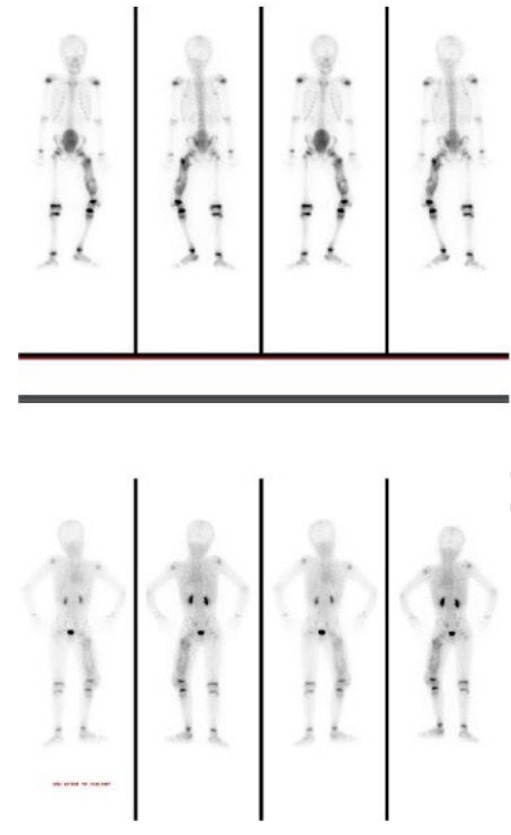
Patients with congenital insensitivity to pain and anhidrosis (CIPA) exhibit an inability to perceive pain, recurrent fractures, self-mutilation, and impaired thermoregulation, which lead to severe complications and high morbidity. Children with CIPA often sustain multiple unnoticed fractures that may be mistaken for child abuse because of the presence of fractures at different stages of healing. If unrecognized or inadequately managed, these injuries can cause permanent damage. We report the case of a 9-year-old boy who presented with recurrent fractures, chronic osteomyelitis, heterotrophic ossification, and gangrene. This case underscores the need for heightened awareness among healthcare providers regarding the clinical manifestations and management challenges of CIPA. It also emphasizes the importance of early diagnosis, meticulous follow-up, and a multidisciplinary approach to optimize outcomes and prevent severe complications in affected children.
  • 329 View
  • 21 Download

Review articles

[English]
Aging with disability in polio survivors: a narrative review
Ju-Hee Hwang, Ga-Yang Shim
Ewha Med J 2025;48(4):e58.   Published online October 20, 2025
DOI: https://doi.org/10.12771/emj.2025.00843
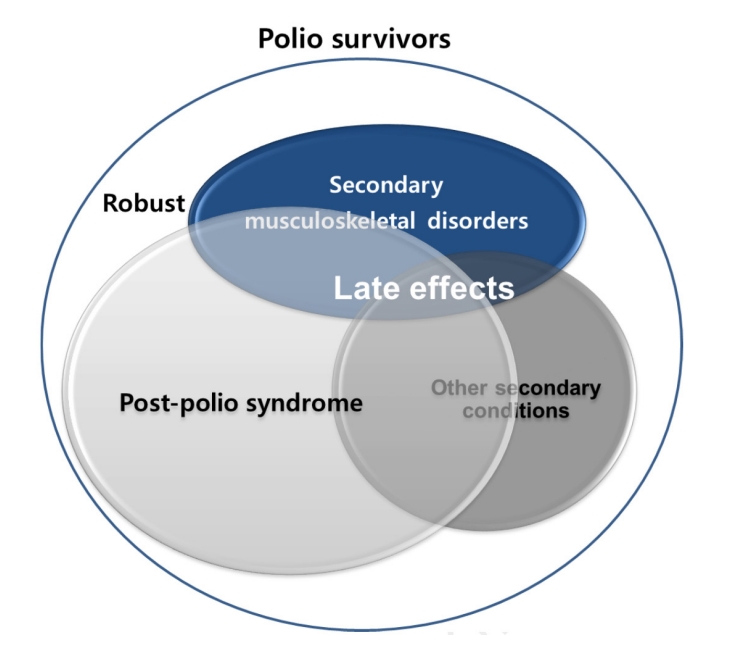
This study aimed to provide a comprehensive understanding of aging with disability among polio survivors who continue to live with long-term sequelae. Although poliomyelitis has been eradicated in most regions, survivors entering older age face a dual challenge, as age-related decline overlaps with pre-existing impairments, creating a need for integrated management strategies. This narrative review examined the epidemiology, clinical manifestations, and late effects of polio, with particular attention to post-polio syndrome, secondary musculoskeletal disorders, and other systemic conditions. International and Korean studies were compared to highlight similarities and contextual differences. Polio survivors frequently experience accelerated functional decline due to post-polio syndrome, fatigue, pain, musculoskeletal disorders (e.g., arthritis, osteoporosis, fractures), and cardiopulmonary dysfunction. Approximately 64% report major falls, with 35% sustaining fractures, often at vulnerable sites such as the hip or distal femur. Psychological distress, sleep disturbances, metabolic syndrome, and cardiovascular disease are also prevalent, further compounding frailty. In Korea, where most survivors are now over 60 years of age, epidemiological patterns differ from those of Western cohorts; however, systematic investigations remain limited. Polio survivors exemplify the dual burden of aging and long-term disability, underscoring the need to move beyond fragmented, symptom-focused care toward integrated, life course–oriented approaches. Anticipating and managing late effects, strengthening preventive strategies, and ensuring equitable healthcare access are essential for maintaining function, independence, and quality of life. Lessons drawn from polio survivors offer valuable insights for understanding aging with disability more broadly.
  • 1,120 View
  • 42 Download
[English]
Fragility fractures, particularly hip fractures, represent a major public health concern among older adults and are associated with high morbidity, mortality, functional decline, and socioeconomic burden. Cognitive impairment is common in older adults with hip fractures and contributes to increased fracture risk, poor postoperative outcomes, delayed recovery, and higher rates of institutionalization. This review aimed to examine rehabilitation strategies for older adults with hip fractures, with a specific focus on considerations for those with cognitive impairment. Evidence suggests that individuals with mild-to-moderate cognitive impairment can achieve meaningful functional gains through structured, intensive, multidisciplinary rehabilitation programs incorporating progressive resistance training, balance and mobility exercises, and individualized approaches tailored to cognitive and physical abilities. However, the implementation of such programs is often hindered by insufficient staff training and awareness in dementia-specific rehabilitation, limited resources, and the lack of standardized protocols defining eligibility, intensity, and adaptation. Optimizing outcomes requires structured, tailored rehabilitation protocols, enhanced staff education, interprofessional collaboration, and proactive management of delirium and secondary fracture prevention through fracture liaison services, while concurrently addressing systemic barriers such as resource constraints. Integrated, coordinated care across the continuum is essential to maximize recovery, independence, and quality of life in older adults with hip fractures and cognitive impairment.
  • 1,104 View
  • 23 Download
[English]
Lifestyle prescriptions for diabetes management in primary care: a narrative review
Hye Jun Lee, Jung-Ha Kim
Ewha Med J 2025;48(4):e55.   Published online October 14, 2025
DOI: https://doi.org/10.12771/emj.2025.00808
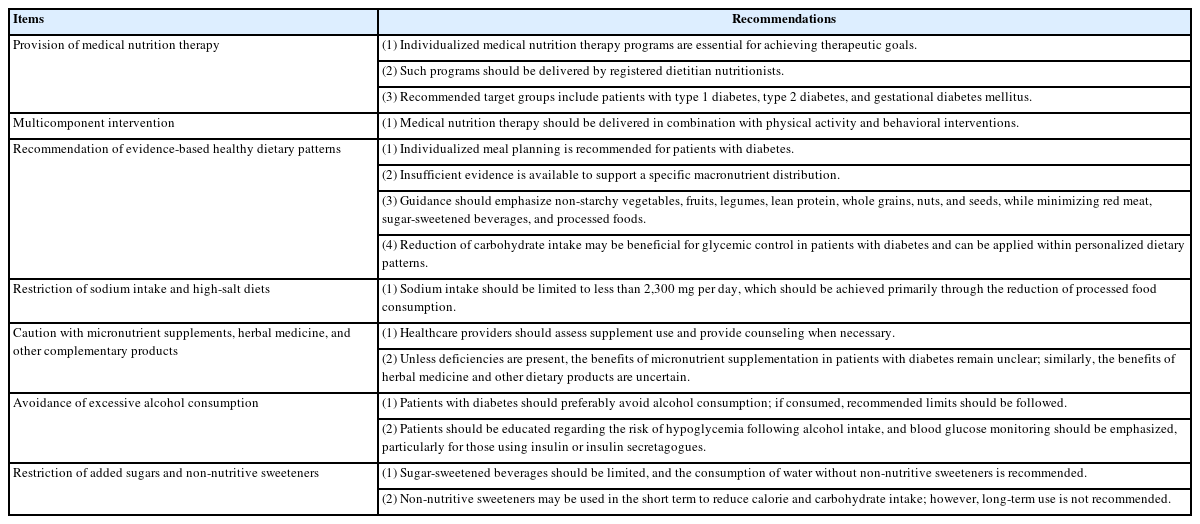
Diabetes mellitus is a complex chronic disease with a rapidly increasing global prevalence. For this condition, non-pharmacological lifestyle modification is as important as pharmacological treatment. This review aims to comprehensively examine lifestyle prescriptions for diabetes across multiple domains to integrate current insights and understanding. In medical nutrition therapy, which is central to diabetes treatment and management, excessive carbohydrate intake should be restricted, while individualized consumption of high-quality carbohydrates, protein, and unsaturated fatty acids is recommended. Intake of added sugars and sodium should also be limited. Physical activity should similarly be tailored to the individual, with a combination of aerobic exercise and resistance training recommended. Careful consideration of hypoglycemia risk and diabetes complications is essential. Additional strategies include limitations on uninterrupted sedentary time to less than 30 minutes, maintenance of a healthy body weight, smoking cessation, alcohol abstinence, sleep health improvements, and attention to psychosocial care. In primary care settings, patient-specific assessment, multidisciplinary lifestyle prescriptions, and education to support behavior modification are expected to play a pivotal role in the treatment and management of diabetes.
  • 509 View
  • 27 Download
[English]
Two paths, one goal–uniting regional and general anesthesia for optimal surgical care: a narrative review
Min Kyoung Kim, Oh Haeng Lee, Hyun Kang
Ewha Med J 2025;48(4):e61.   Published online September 16, 2025
DOI: https://doi.org/10.12771/emj.2025.00724
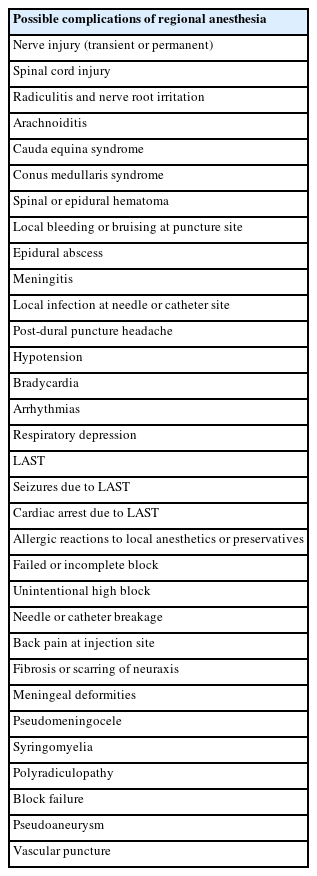
The integration of regional anesthesia (RA) with general anesthesia (GA) has become a central component of multimodal strategies to improve perioperative pain management. This approach not only enhances analgesic efficacy but also reduces opioid requirements and mitigates opioid-related adverse effects. By targeting peripheral or neuraxial nociceptive pathways, RA attenuates the surgical stress response and decreases central sensitization, complementing the systemic actions of GA. The combined application of RA and GA has shown substantial benefits across a wide range of surgical procedures, including abdominal, thoracic, orthopedic, and pediatric operations. Reported advantages include improved hemodynamic stability, enhanced pulmonary function, earlier ambulation, faster gastrointestinal recovery, and greater patient satisfaction. Moreover, recent evidence indicates a positive association between effective postoperative pain control and long-term outcomes, such as reduced incidence of persistent postsurgical pain, better functional independence, and even improved immune function and survival following cancer surgery. The development of sustained-release local anesthetic delivery systems, which provide localized and prolonged analgesia, further extends the benefits of RA-GA integration into the postoperative period. This review summarizes the mechanistic rationale, clinical applications, and future directions of RA-GA combinations in modern surgical care, with special emphasis on their role in enhanced recovery after surgery protocols.
  • 1,510 View
  • 24 Download
[English]
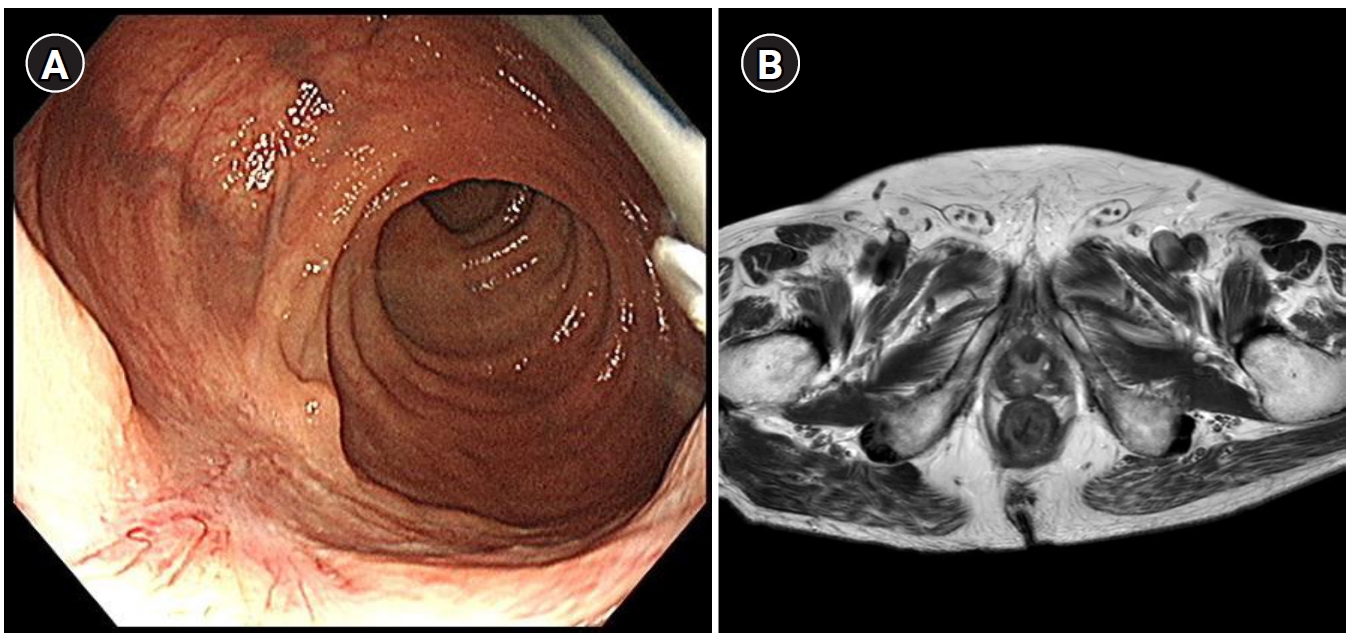
Non‑operative management, particularly the watch and wait (WW) strategy, has emerged as an alternative to total mesorectal excision for selected patients with locally advanced rectal cancer who achieve a clinical complete response (cCR) after neoadjuvant treatment. This narrative review examines oncologic outcomes, functional and quality‑of‑life benefits, diagnostic challenges, and surveillance requirements associated with WW compared to radical surgery. Evidence from randomized trials and international registries indicates that WW provides overall and disease-free survival rates comparable to those of surgery, provided that stringent selection criteria and intensive surveillance are maintained for 3 to 5 years. Local regrowth occurs in 15%–40% of patients—most commonly within 24 months—but salvage surgery is curative in over 90% of cases and restores oncologic equivalence. Nevertheless, distant metastasis is more frequent in patients who experience regrowth, underscoring the importance of early detection and the need for optimized systemic therapy. Accurate determination of cCR remains the primary limitation; digital rectal examination, high‑resolution magnetic resonance imaging, and endoscopy, even when combined, cannot reliably exclude microscopic residual disease. Total neoadjuvant therapy increases cCR rates to 30%–60% and expands the pool of WW candidates, but also intensifies the need for standardized response definitions and surveillance algorithms. WW offers organ preservation and quality‑of‑life improvements without compromising survival in carefully selected patients, provided that multidisciplinary teams ensure rigorous response assessment and lifelong monitoring. Future advances in imaging, molecular biomarkers, and individualized risk stratification are expected to further enhance the safety of WW and expand eligibility to a broader patient population.
  • 2,488 View
  • 50 Download

Health statistics

[English]
Cause of death statistics in 2022 in the Republic of Korea
Jung-Hyun Oh, Juhee Seo, Hyun Jung Park
Ewha Med J 2025;48(3):e46.   Published online July 28, 2025
DOI: https://doi.org/10.12771/emj.2025.00689
Purpose
This study aimed to describe mortality trends in the Republic of Korea in 2022 by analyzing total deaths, crude and age-standardized mortality rates, as well as age- and sex-specific patterns and changes in cause-specific mortality. The analysis updates previous reports with newly available data from 2022.
Methods
A repeated cross-sectional analysis was performed using nationwide death certificate data collected through municipal administrative offices. Deaths occurring in 2022 were aggregated from reports filed over a 16-month period, spanning January 2022 to April 2023. Causes of death were classified according to the World Health Organization’s International Classification of Diseases. Quality assurance was ensured through administrative record linkage across 22 databases and validation using an independent infant mortality survey. Descriptive statistics were employed to summarize the findings.
Results
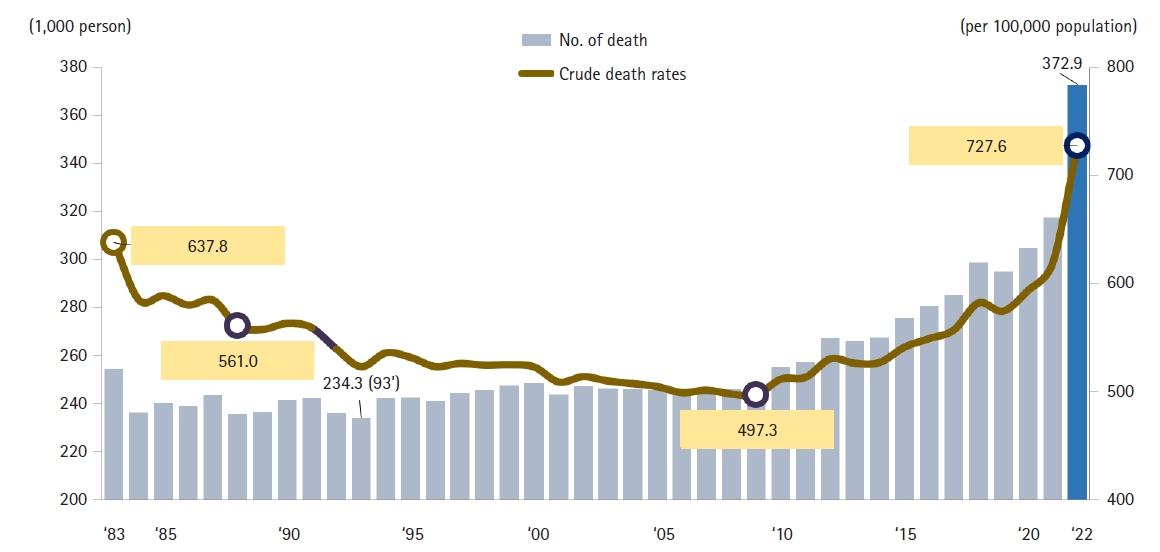
In 2022, Korea recorded 372,939 deaths (the highest annual total since 1983), corresponding to a crude death rate of 727.6 per 100,000 population. This increase contributed to a net population decline of 123,751. Mortality rates rose across most age groups, with particularly marked increases among those aged 1–9 and those aged 80 or older. Coronavirus disease 2019 (COVID-19) became the third leading cause of death (31,280 deaths; 61.0 per 100,000), driven largely by the Omicron variant and heightened infection rates among older adults. Pancreatic cancer overtook stomach cancer in the mortality rankings. There were sharp increases in deaths attributed to Alzheimer’s disease and diabetes. Although deaths from intentional self-harm declined, suicide remained a significant cause of death among younger individuals.
Conclusion
Korea experienced a record-high mortality rate in 2022, largely due to the impacts of COVID-19 and ongoing population aging. Notable shifts in cause-specific mortality were observed, including increases in deaths from Alzheimer’s disease, diabetes, and pancreatic cancer, underscoring evolving public health challenges.
  • 13,790 View
  • 48 Download

Original articles

[English]
Purpose
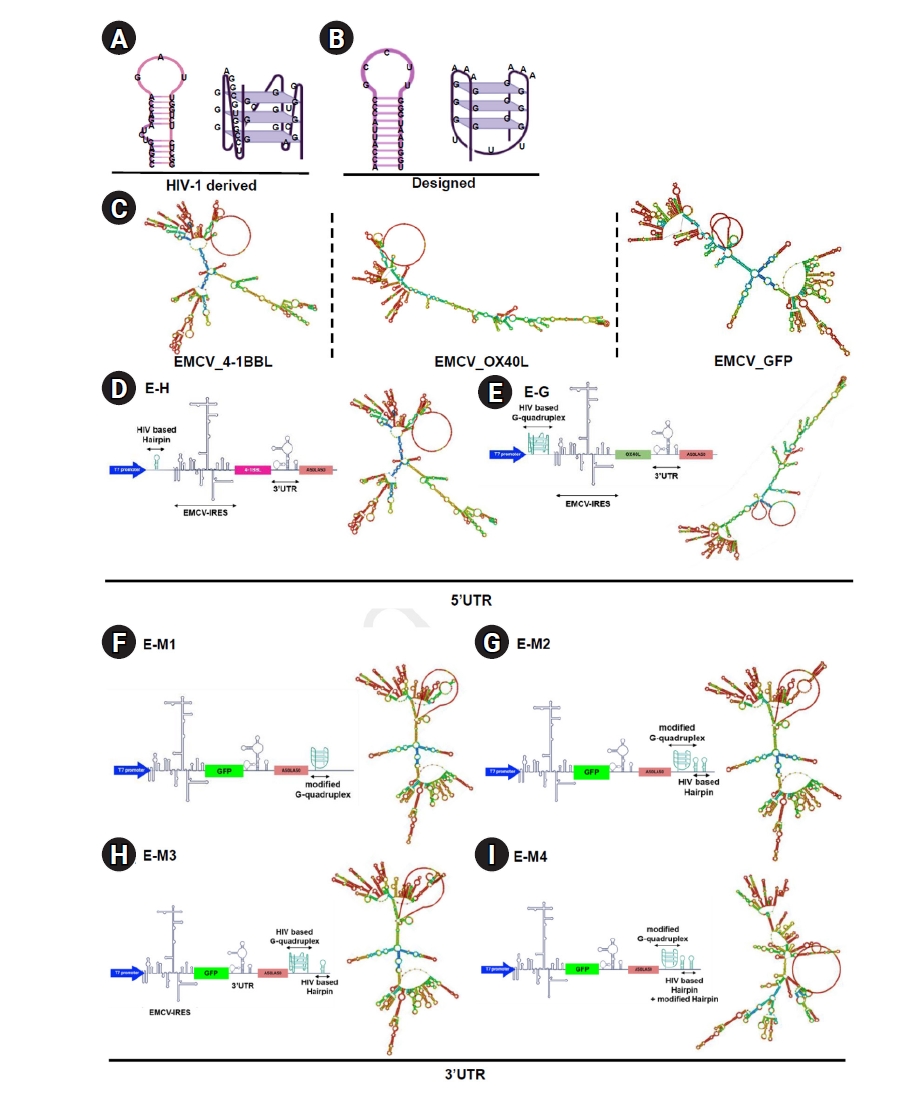
Internal ribosome entry site (IRES) elements, present in both viral and cellular messenger RNAs (mRNAs), facilitate cap-independent translation by recruiting ribosomes to internal regions of mRNA. This study aimed to investigate the impact of inserting G-quadruplex and hairpin structures into the 5' untranslated region (UTR) and poly(A) sequences on the translation efficiency of the encephalomyocarditis virus (EMCV) IRES, using an IRES-based RNA platform encoding OX40L, 4-1BBL, and GFP.
Methods
G-quadruplex and hairpin structures, derived from HIV-1 (human immunodeficiency virus type 1) or custom-designed, were synthesized and inserted into the 5' UTR and poly(A) tail regions of EMCV IRES vectors. These constructs were amplified by polymerase chain reaction, ligated into plasmids, and transcribed in vitro. B16 melanoma, TC-1 tumor, and HEK293 cells were transfected with these RNA constructs. Protein expression levels were assessed at 6, 12, and 24 hours post-transfection by flow cytometry and fluorescence microscopy. Statistical analyses employed one-way analysis of variance with the Dunnett test.
Results
The insertion of G-quadruplex and hairpin structures altered RNA secondary structure, significantly reducing protein expression. In the 5' UTR, the G-quadruplex nearly abolished OX40L expression (1.18%±0.41% at 6 hours vs. 18.23%±0.16% for control), while the hairpin structure reduced it (16.29%±1.46% vs. 22.84%±1.17%). In the poly(A) tail region, both structures decreased GFP expression across all cell lines (4.86%±1.35% to 7.27%±0.32% vs. 39.56%±2.07% in B16 cells).
Conclusion
Inserting G-quadruplex and hairpin structures into EMCV IRES UTRs inhibits translation efficiency, suggesting the need for precise RNA structure modeling to enhance IRES-mediated translation.
  • 2,116 View
  • 52 Download
[English]
Purpose
This study compares 3 deep learning models (UNet, TransUNet, and MIST) for left atrium (LA) segmentation of cardiac computed tomography (CT) images from patients with congenital heart disease (CHD). It investigates how architectural variations in the MIST model, such as spatial squeeze-and-excitation attention, impact Dice score and HD95.
Methods
We analyzed 108 publicly available, de-identified CT volumes from the ImageCHD dataset. Volumes underwent resampling, intensity normalization, and data augmentation. UNet, TransUNet, and MIST models were trained using 80% of 97 cases, with the remaining 20% employed for validation. Eleven cases were reserved for testing. Performance was evaluated using the Dice score (measuring overlap accuracy) and HD95 (reflecting boundary accuracy). Statistical comparisons were performed via one-way repeated measures analysis of variance.
Results
MIST achieved the highest mean Dice score (0.74; 95% confidence interval, 0.67–0.81), significantly outperforming TransUNet (0.53; P<0.001) and UNet (0.49; P<0.001). Regarding HD95, TransUNet (9.09 mm) and MIST (5.77 mm) similarly outperformed UNet (27.49 mm; P<0.0001). In ablation experiments, the inclusion of spatial attention did not further enhance the MIST model’s performance, suggesting redundancy with existing attention mechanisms. However, the integration of multi-scale features and refined skip connections consistently improved segmentation accuracy and boundary delineation.
Conclusion
MIST demonstrated superior LA segmentation, highlighting the benefits of its integrated multi-scale features and optimized architecture. Nevertheless, its computational overhead complicates practical clinical deployment. Our findings underscore the value of advanced hybrid models in cardiac imaging, providing improved reliability for CHD evaluation. Future studies should balance segmentation accuracy with feasible clinical implementation.
  • 2,083 View
  • 40 Download
[English]
Immunogenicity of Anisakis larvae molting membrane against human eosinophilia sera
Sooji Hong, Bong-Kwang Jung, Hyun-Jong Yang
Ewha Med J 2025;48(2):e29.   Published online April 8, 2025
DOI: https://doi.org/10.12771/emj.2025.00311
Purpose
This study aimed to investigate whether proteins present in the molting membranes of third-stage (L3) Anisakis larvae could serve as potential risk factors for allergic reactions.
Methods
Third-stage larvae (L3) of Anisakis spp. were primarily collected from mackerels and cultured in vitro to yield both molting membranes and fourth-stage (L4) larvae. Major soluble proteins in the molting membranes were identified using SDS-PAGE (sodium dodecyl sulfate–polyacrylamide gel electrophoresis). Crude antigens extracted from L3, L4, and the molting membranes were subsequently evaluated by western blotting using sera from Anisakis-infected rabbits and patients with eosinophilia.
Results
Antigens derived from the molting membranes reacted with sera from Anisakis-infected rabbits as well as with sera from 7 patients with eosinophilia of unknown origin. These findings suggest that unidentified proteins in the molting membranes of Anisakis L3 may contribute to early allergic reactions, particularly in patients sensitized by specific molecular components.
Conclusion
Our results indicate that proteins present in the molting membranes of third-stage Anisakis spp. larvae may be associated with allergic responses. Further studies are required to confirm the correlation between these membranes and Anisakis-induced allergies.

Citations

Citations to this article as recorded by  
  • Recent advances in pulmonary tuberculosis, the application of deep learning to medical topics, and highlights from this issue of Ewha Medical Journal
    Hae-Sun Chung
    Ewha Medical Journal.2025; 48(2): e16.     CrossRef
  • 1,059 View
  • 24 Download
  • 1 Web of Science
  • 1 Crossref

Review articles

[English]
Recent advancements in tuberculosis treatment research emphasize innovative strategies that enhance treatment efficacy, reduce adverse effects, and adhere to patient-centered care principles. As tuberculosis remains a significant global health challenge, integrating new and repurposed drugs presents promising avenues for more effective management, particularly against drug-resistant strains. Recently, the spectrum concept in tuberculosis infection and disease has emerged, underscoring the need for research aimed at developing treatment plans specific to each stage of the disease. The application of precision medicine to tailor treatments to individual patient profiles is crucial for addressing the diverse and complex nature of tuberculosis infections. Such personalized approaches are essential for optimizing therapeutic outcomes and improving patient adherence—both of which are vital for global tuberculosis eradication efforts. The role of tuberculosis cohort studies is also emphasized, as they provide critical data to support the development of these tailored treatment plans and deepen our understanding of disease progression and treatment response. To advance these innovations, a robust tuberculosis policy framework is required to foster the integration of research findings into practice, ensuring that treatment innovations are effectively translated into improved health outcomes worldwide.

Citations

Citations to this article as recorded by  
  • Recent advances in pulmonary tuberculosis, the application of deep learning to medical topics, and highlights from this issue of Ewha Medical Journal
    Hae-Sun Chung
    Ewha Medical Journal.2025; 48(2): e16.     CrossRef
  • 3,995 View
  • 97 Download
  • 1 Web of Science
  • 1 Crossref
[English]
The Mycobacterium avium complex (MAC), comprising M. avium and M. intracellulare, constitutes the predominant cause of nontuberculous mycobacterial pulmonary disease (NTM-PD) in Korea, followed by the M. abscessus complex. Its global prevalence is increasing, as shown by a marked rise in Korea from 11.4 to 56.7 per 100,000 individuals between 2010 and 2021, surpassing the incidence of tuberculosis. Among the older adult population (aged ≥65 years), the prevalence escalated from 41.9 to 163.1 per 100,000, accounting for 47.6% of cases by 2021. Treatment should be individualized based on prognostic indicators, including cavitary disease, low body mass index, and positive sputum smears for acid-fast bacilli. Current therapeutic guidelines recommend a 3-drug regimen—consisting of a macrolide, rifampin, and ethambutol—administered for a minimum of 12 months following culture conversion. Nevertheless, treatment success rates are only roughly 60%, and over 30% of patients experience recurrence. This is often attributable to reinfection rather than relapse. Antimicrobial susceptibility testing for clarithromycin and amikacin is essential, as resistance significantly worsens prognosis. Ethambutol plays a crucial role in preventing the development of macrolide resistance, whereas the inclusion of rifampin remains a subject of ongoing debate. Emerging therapeutic strategies suggest daily dosing for milder cases, increased azithromycin dosing, and the substitution of rifampin with clofazimine in severe presentations. Surgical resection achieves a notable sputum conversion rate of approximately 93% in eligible candidates. For refractory MAC-PD, adjunctive therapy with amikacin is advised, coupled with strategies to reduce environmental exposure. Despite advancements in therapeutic approaches, patient outcomes remain suboptimal, highlighting the urgent need for novel interventions.

Citations

Citations to this article as recorded by  
  • Recent advances in pulmonary tuberculosis, the application of deep learning to medical topics, and highlights from this issue of Ewha Medical Journal
    Hae-Sun Chung
    Ewha Medical Journal.2025; 48(2): e16.     CrossRef
  • Understanding recurrence in Mycobacterium avium complex pulmonary disease: genotypic strategies to support clinical decision-making
    Minh Phuong Trinh, Sung Jae Shin, Min-Kyoung Shin, Mark Nicol
    Journal of Clinical Microbiology.2025;[Epub]     CrossRef
  • 12,415 View
  • 203 Download
  • 2 Web of Science
  • 2 Crossref
[English]
Impact of pulmonary tuberculosis on lung cancer screening: a narrative review
Jeong Uk Lim
Ewha Med J 2025;48(2):e23.   Published online March 26, 2025
DOI: https://doi.org/10.12771/emj.2025.00052
Lung cancer remains a leading cause of cancer-related mortality worldwide. Low-dose computed tomography (LDCT) screening has demonstrated efficacy in reducing lung cancer mortality by enabling early detection. In several countries, including Korea, LDCT-based screening for high-risk populations has been incorporated into national healthcare policies. However, in regions with a high tuberculosis (TB) burden, the effectiveness of LDCT screening for lung cancer may be influenced by TB-related pulmonary changes. Studies indicate that the screen-positive rate in TB-endemic areas differs from that in low-TB prevalence regions. A critical challenge is the differentiation between lung cancer lesions and TB-related abnormalities, which can contribute to false-positive findings and increase the likelihood of unnecessary invasive procedures. Additionally, structural lung damage from prior TB infections can alter LDCT interpretation, potentially reducing diagnostic accuracy. Nontuberculous mycobacterial infections further complicate this issue, as their radiologic features frequently overlap with those of TB and lung cancer, necessitating additional microbiologic confirmation. Future research incorporating artificial intelligence and biomarkers may enhance diagnostic precision and facilitate a more personalized approach to lung cancer screening in TB-endemic settings.

Citations

Citations to this article as recorded by  
  • Recent advances in pulmonary tuberculosis, the application of deep learning to medical topics, and highlights from this issue of Ewha Medical Journal
    Hae-Sun Chung
    Ewha Medical Journal.2025; 48(2): e16.     CrossRef
  • 4,862 View
  • 58 Download
  • 1 Web of Science
  • 1 Crossref
[English]
Chronic obstructive pulmonary disease (COPD) is a leading cause of respiratory morbidity and mortality, most often linked to smoking. However, growing evidence indicates that previous tuberculosis (TB) infection is also a critical risk factor for COPD. This review aimed at providing a comprehensive perspective on TB-COPD, covering its epidemiologic significance, pathogenesis, clinical characteristics, and current management approaches. Tuberculosis-associated chronic obstructive pulmonary disease (TB-COPD) is characterized by persistent inflammatory responses, altered immune pathways, and extensive structural lung damage—manifested as cavitation, fibrosis, and airway remodeling. Multiple epidemiologic studies have shown that individuals with a history of TB have a significantly higher likelihood of developing COPD and experiencing worse outcomes, such as increased breathlessness and frequent exacerbations. Key pathogenic mechanisms include elevated matrix metalloproteinase activity and excessive neutrophil-driven inflammation, which lead to alveolar destruction, fibrotic scarring, and the development of bronchiectasis. Treatment generally follows current COPD guidelines, advocating the use of long-acting bronchodilators and the selective application of inhaled corticosteroids. Studies have demonstrated that indacaterol significantly improves lung function and respiratory symptoms, while long-acting muscarinic antagonists have shown survival benefits.

Citations

Citations to this article as recorded by  
  • Recent advances in pulmonary tuberculosis, the application of deep learning to medical topics, and highlights from this issue of Ewha Medical Journal
    Hae-Sun Chung
    Ewha Medical Journal.2025; 48(2): e16.     CrossRef
  • History of Pulmonary Tuberculosis Accelerates Early Onset and Severity of COPD: Evidence from a Multicenter Study in Romania
    Ramona Cioboata, Silviu Gabriel Vlasceanu, Denisa Maria Mitroi, Ovidiu Mircea Zlatian, Mara Amalia Balteanu, Gabriela Marina Andrei, Viorel Biciusca, Mihai Olteanu
    Journal of Clinical Medicine.2025; 14(17): 5980.     CrossRef
  • Bidirectional Association Between Tuberculosis and Chronic Obstructive Pulmonary Disease: A Systematic Review and Meta-Analysis
    Jingyuan Feng, Minghao Hu, Hongfei Duan
    Journal of Clinical Medicine.2025; 14(21): 7639.     CrossRef
  • Immune Mechanisms of the Comorbid Course of Chronic Obstructive Pulmonary Disease and Tuberculosis
    Stanislav Kotlyarov, Dmitry Oskin
    BIOCELL.2025; 49(9): 1631.     CrossRef
  • 9,678 View
  • 320 Download
  • 4 Web of Science
  • 4 Crossref

Special topic: role of institutes related to the occupational and environmental diseases in Korea

[English]
Environmental disease monitoring by regional Environmental Health Centers in Korea: a narrative review
Myung-Sook Park, Hwan-Cheol Kim, Woo Jin Kim, Yun-Chul Hong, Won-Jun Choi, Seock-Yeon Hwang, Jiho Lee, Young-Seoub Hong, Yong-Dae Kim, Seong-Chul Hong, Joo Hyun Sung, Inchul Jeong, Kwan Lee, Won-Ju Park, Hyun-Joo Bae, Seong-Yong Yoon, Cheolmin Lee, Kyoung Sook Jeong, Sanghyuk Bae, Jinhee Choi, Ho-Hyun Kim
Ewha Med J 2025;48(1):e3.   Published online January 31, 2025
DOI: https://doi.org/10.12771/emj.2025.e3

This study explores the development, roles, and key initiatives of the Regional Environmental Health Centers in Korea, detailing their evolution through four distinct phases and their impact on environmental health policy and local governance. It chronicles the establishment and transformation of these centers from their inception in May 2007, through four developmental stages. Originally named Environmental Disease Research Centers, they were subsequently renamed Environmental Health Centers following legislative changes. The analysis includes the expansion in the number of centers, the transfer of responsibilities to local governments, and the launch of significant projects such as the Korean Children’s Environmental Health Study (Ko-CHENS ). During the initial phase (May 2007–February 2009), the 10 centers concentrated on research-driven activities, shifting from a media-centered to a receptor-centered approach. In the second phase, prompted by the enactment of the Environmental Health Act, six additional centers were established, broadening their scope to address national environmental health issues. The third phase introduced Ko-CHENS, a 20-year national cohort project designed to influence environmental health policy by integrating research findings into policy frameworks. The fourth phase marked a decentralization of authority, empowering local governments and redefining the centers' roles to focus on regional environmental health challenges. The Regional Environmental Health Centers have significantly evolved and now play a crucial role in addressing local environmental health issues and supporting local government policies. Their capacity to adapt and respond to region-specific challenges is essential for the effective implementation of environmental health policies, reflecting geographical, socioeconomic, and demographic differences.
  • 3,309 View
  • 25 Download

Review articles

[English]
Prevalence and factors influencing postpartum depression and its culture-specific cutoffs for women in Asia: a scoping review
Bora Moon, Hyun Kyoung Kim, Ju-Hee Nho, Hyunkyung Choi, ChaeWeon Chung, Sook Jung Kang, Ju Hee Kim, Ju-Young Lee, Sihyun Park, Gisoo Shin, Ju-Eun Song, Min Hee Lee, Sue Kim
Ewha Med J 2025;48(1):e15.   Published online January 31, 2025
DOI: https://doi.org/10.12771/emj.2025.e15

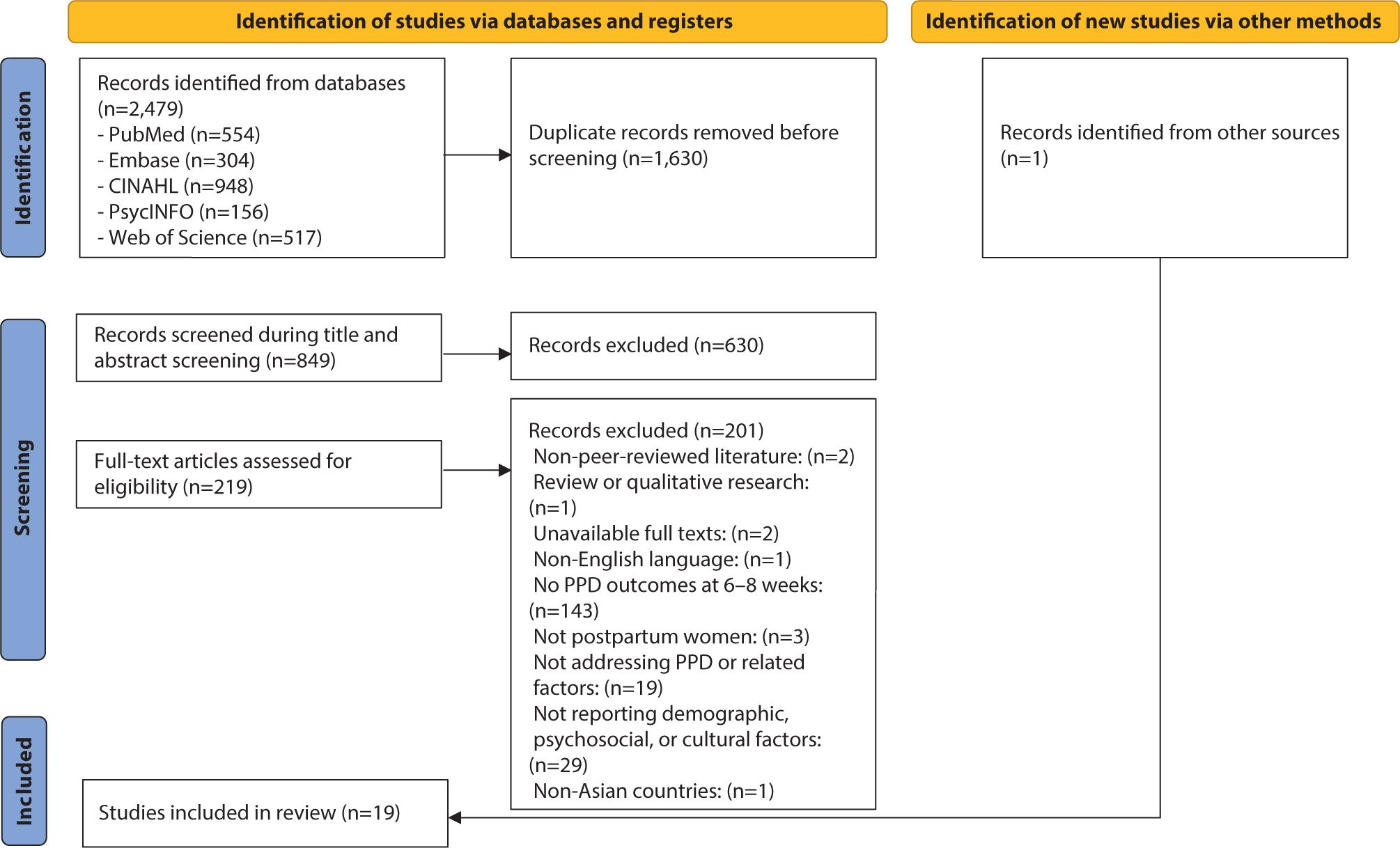
The prevalence of postpartum depression (PPD) in Asia is reported to range from 13.53% to 22.31%. However, there remains a gap in the identification of PPD, particularly regarding cultural cutoff points. Therefore, the purpose of this scoping review was to determine the prevalence and associated factors of PPD in Eastern, South-eastern, Western, and Southern Asian countries and analyze the cutoff points of the Edinburgh Postnatal Depression Scale (EPDS) used across these countries. Following Arksey and O'Malley’s five-step scoping review framework, the population was defined as mothers, the concept as the EPDS, and the context as the Asian region. A literature search was conducted using PubMed, Embase, CINAHL, PsycINFO, and Web of Science. The data analysis focused on demographic characteristics, EPDS cutoffs and features, PPD prevalence, and its associated factors. Nineteen studies were selected. Most countries used translated versions of the EPDS with demonstrated reliability and validity. The cutoff scores varied, with most using scores of 10 or higher. The prevalence of PPD ranged from 5.1% to 78.7%. Key associated factors for PPD included cultural factors such as relationships with in-laws and preferences for the newborn’s sex. To improve the accuracy of PPD screening in Asia, the EPDS should be used consistently, and appropriate cutoff criteria must be established. In addition, prevention strategies and programs that reflect the cultural characteristics and social context of Asia need to be developed for the early detection and prevention of PPD.

  • 11,256 View
  • 102 Download
[English]
Sex differences in the prevalence of common comorbidities in autism: a narrative review
Yoo Hwa Hong, Da-Yea Song, Heejeong Yoo
Ewha Med J 2025;48(1):e79.   Published online January 31, 2025
DOI: https://doi.org/10.12771/emj.2024.e79

Autism spectrum disorder involves challenges in social communication and restricted, repetitive behaviors. Historically, males have received autism diagnoses at comparatively high rates, prompting an underrepresentation of females in research and an incomplete understanding of sex-specific symptom presentations and comorbidities. This review examines sex differences in the prevalence of common comorbidities of autism to inform tailored clinical practices. These conditions include attention deficit hyperactivity disorder, anxiety disorders, conduct disorder, depression, epilepsy, intellectual disability, and tic disorders. Attention deficit hyperactivity disorder is prevalent in both sexes; however, females may more frequently exhibit the inattentive subtype. Anxiety disorders display inconsistent sex differences, while conduct disorder more frequently impacts males. Depression becomes more common with age; some studies indicate more pronounced symptoms in adolescent girls, while others suggest greater severity in males. Epilepsy is more prevalent in females, especially those with intellectual disabilities. Despite displaying a male predominance, intellectual disability may exacerbate the severity of autism to a greater degree in females. No clear sex differences have been found regarding tic disorders. Overall, contributors to sex-based differences include biases stemming from male-centric diagnostic tools, compensatory behaviors like camouflaging in females, genetic and neurobiological differences, and the developmental trajectories of comorbidities. Recognizing these factors is crucial for developing sensitive diagnostics and sex-specific interventions. Inconsistencies in the literature highlight the need for longitudinal studies with large, diverse samples to investigate autism comorbidities across the lifespan. Understanding sex differences could facilitate earlier identification, improved care, and personalized interventions, thus enhancing quality of life for individuals with autism.

Citations
Citations to this article as recorded by  
  • Exploring Sociodemographic, Parental, and Temporal Correlates of Mental Health Disorders in Child and Adolescent Psychotherapy: A Clinic‐Based Investigation
    Esther Richter, Sara Edraki, Elke Humer
    Journal of Child and Adolescent Psychiatric Nursing.2025;[Epub]     CrossRef
  • 7,117 View
  • 70 Download
  • 1 Web of Science
  • 1 Crossref

Original Articles

[English]
No difference in inflammatory mediator expression between mast cell-rich and mast cell-poor rosacea lesions in Korean patients: a comparative study
Jin Ju Lee, Bo Ram Kwon, Min Young Lee, Ji Yeon Byun, Joo Young Roh, Hae Young Choi, You Won Choi
Ewha Med J 2025;48(1):e78.   Published online January 31, 2025
DOI: https://doi.org/10.12771/emj.2024.e78

Objectives: This study aimed to evaluate the correlation between mast cell (MC) density in rosacea-affected skin and the expression of key inflammatory mediators, including IL-6, TNF-α, and cathelicidin LL-37. By comparing lesions rich in MCs with those having fewer MCs, we sought to elucidate the role of MCs in the inflammatory mechanisms underlying rosacea pathogenesis.

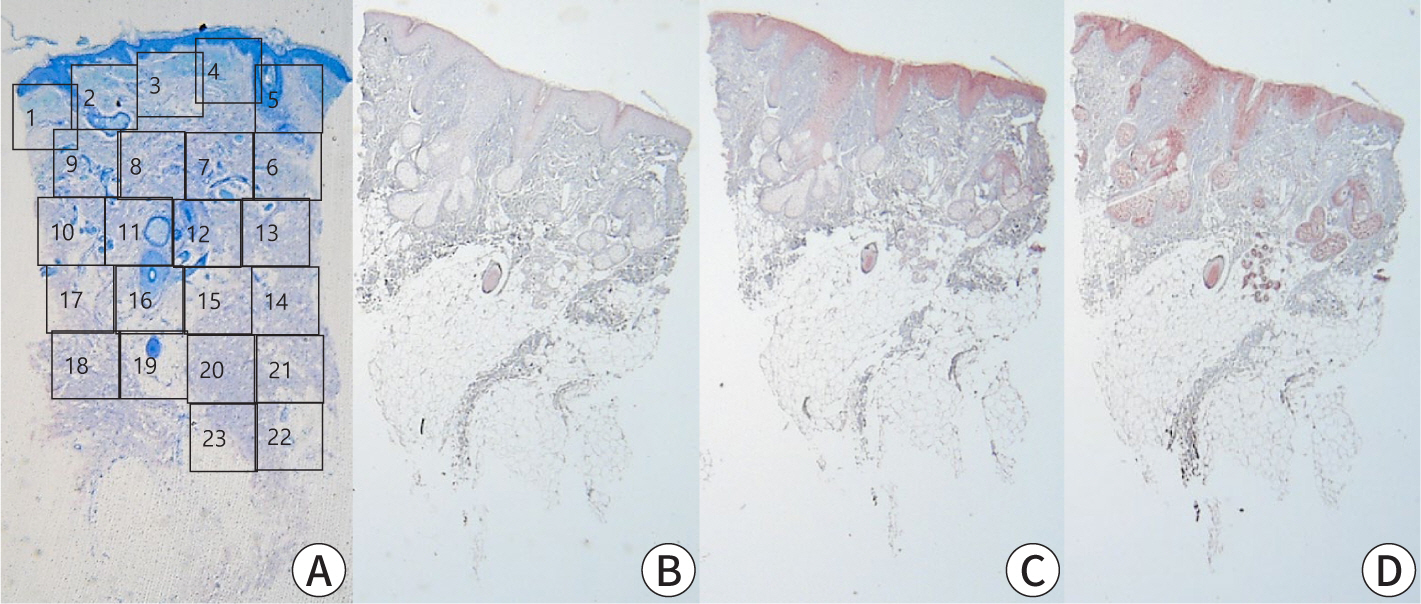
Methods: Specimens were collected from 20 patients diagnosed with rosacea who attended the outpatient clinic between 2008 and 2013. Each specimen underwent staining using hematoxylin/eosin, Giemsa, IL-6, LL-37, and TNF-α for both histopathological and immunohistochemical analyses. The number of stained cells was counted across 10 randomly selected dermal layers at a magnification of ×400 using light microscopy. The results were categorized based on the number of MCs counted: more than 10 MCs were classified as MC-rich, and 10 or fewer MCs as MC-poor.

Results: Among the 20 patients (10 MC-rich and 10 MC-poor), the MC-rich group demonstrated significantly higher MC counts than the MC-poor group (P<0.001). However, there were no significant differences in the expression levels of IL-6, LL-37, or TNF-α between the two groups. Additionally, MC density did not show any significant associations with patient demographics, clinical characteristics, or systemic comorbidities.

Conclusion: Increased MC density was not associated with differences in IL-6, TNF-α, or LL-37 expression in rosacea lesions. These findings suggest that MC infiltration may not directly influence the inflammatory mediator profile in rosacea. Further research is required to identify distinctive pathological features or markers that can elucidate the mechanisms of rosacea.

  • 1,099 View
  • 21 Download
[English]
Health rights of inmates in correctional facilities in Korea as of 2016: a cross-sectional study
Young Su Ju, Myoung-hee Kim, Jun Yim, Minyoung Choung
Ewha Med J 2025;48(1):e75.   Published online January 31, 2025
DOI: https://doi.org/10.12771/emj.2024.e75

Objectives: This study aimed to assess the health rights of inmates in correctional facilities from the perspective of unmet needs and to explore institutional improvement plans that could yield substantial qualitative and quantitative advancements.

Methods: Data on capacity and actual occupancy, external and internal medical services, the number of inmates with mental health conditions, and cell area were obtained from the Ministry of Justice. Overall, 1,057 inmates were surveyed, representing 1.84% of the total inmate population of 57,560 as of September 30, 2016. A structured questionnaire was distributed to these inmates, and upon collection, the responses were analyzed. Furthermore, a request was submitted to the Ministry of Justice to survey the status of healthcare personnel and medical services across 52 correctional facilities nationwide.

Results: Between 2014 and 2015, the Ministry of Justice in South Korea allocated approximately 14 to 22 billion Korean won for healthcare services in correctional facilities. The major facilities with the most inmates with mental health conditions had 160 such inmates in 2014 and 161 in 2015. Overcrowding and insufficient cooling pose ongoing health risks. Inmates face challenges accessing medical care, with unmet needs for dental and psychiatric services.

Conclusion: Strategies to improve inmates’ health rights include establishing a primary healthcare system, improving governance, alleviating overcrowding, and introducing mental health programs. Emphases are placed on managing severe illnesses such as cancer, strengthening emergency care, and ensuring oversight by the National Human Rights Commission. Regular education of prison staff is also recommended to improve inmate health management.

  • 4,649 View
  • 14 Download

Guidelines

[English]
Clinical practice guidelines for the diagnosis and treatment of scabies in Korea: Part 1. Epidemiology, clinical manifestations, and diagnosis — a secondary publication
Jin Park, Soon-Hyo Kwon, Young Bok Lee, Hei Sung Kim, Jie Hyun Jeon, Gwang Seong Choi
Ewha Med J 2024;47(4):e73.   Published online October 31, 2024
DOI: https://doi.org/10.12771/emj.2024.e73

Scabies is a skin disease caused by the parasite Sarcoptes scabiei var. hominis, which is primarily transmitted via direct skin or sexual contact or, less commonly, via contact with infested fomites. In Korea, the incidence of scabies has decreased from approximately 50,000 cases per year in 2010 to about 30,000 cases per year in 2021. However, outbreaks are consistently observed in residential facilities, such as nursing homes, especially among older adults. The clinical manifestations of scabies vary based on the patient’s age, health status, the number of mites, and the route of transmission. Typical symptoms of classic scabies include intense nocturnal itching and characteristic skin rashes (burrows and erythematous papules), with a predilection for the interdigital web spaces, inner wrists, periumbilical areas, axillae, and genital areas. In contrast, older adults with immunodeficiency or neurological disorders may exhibit hyperkeratotic scaly lesions or an atypical distribution with mild to no itching (crusted scabies). The diagnosis of scabies is based on clinical symptoms and the results of diagnostic tests aimed at identifying the presence of the parasite. While a history of close contact and characteristic clinical findings suggest scabies, confirmation of the diagnosis requires detecting scabies mites, eggs, or scybala. This can be achieved through light microscopy of skin samples, non-invasive dermoscopy, and other high-resolution in vivo imaging techniques.

Citations

Citations to this article as recorded by  
  • A case of scabies that was misdiagnosed as psoriasis
    Jun Ho Kwak, In Ho Bae, Hoon Choi, Chan-Ho Na, Min Sung Kim, Bong Seok Shin
    Journal of the Korean Society for Psoriasis.2025; 22(1): 46.     CrossRef
  • 13,193 View
  • 188 Download
  • 1 Web of Science
  • 1 Crossref
[English]
Clinical practice guidelines for the diagnosis and treatment of scabies in Korea: Part 2. Treatment and prevention — a secondary publication
Jin Park, Soon-Hyo Kwon, Young Bok Lee, Hei Sung Kim, Jie Hyun Jeon, Gwang Seong Choi
Ewha Med J 2024;47(4):e72.   Published online October 31, 2024
DOI: https://doi.org/10.12771/emj.2024.e72

Treatment should be initiated for all suspected, clinical, or confirmed cases of scabies. Patients affected should be adequately isolated, and high-risk groups with close contact histories should be treated regardless of their symptoms. Optimal treatment strategies can be selected based on age, clinical subtype, and the patient's health status. In Korea, commercially available preparations for scabies treatment include topical 5% permethrin, topical 10% crotamiton, and oral ivermectin. Topical 5% permethrin is the first-line selective treatment for both classic and crusted scabies. Alternative treatments include topical 10% crotamiton and oral ivermectin. After completing treatment, follow-up visits at 2 and 4 weeks are recommended to monitor the therapeutic response. Treatment is considered to have failed if scabies mites or burrows are detected, new clinical characteristics develop, or there is an aggravation of pruritus. Scabies itch should be adequately managed with emollients, oral antihistamines, and topical corticosteroids. Preventive measures, including personal hygiene, patient education, and environmental control, should besd implemented to reduce the transmission of scabies.

  • 16,177 View
  • 105 Download

Original Article

[English]
Prevalence and associated factors of ADHD-like symptoms among pharmacy students at Prince of Songkla University, Thailand in 2024: a cross-sectional study
Krittiya Rakchat, Saranan Eadcharoen, Amarawan Pentrakan
Ewha Med J 2024;47(4):e70.   Published online October 31, 2024
DOI: https://doi.org/10.12771/emj.2024.e70

Objectives: This study investigated the prevalence of attention-deficit hyperactivity disorder (ADHD) and its associated factors among pharmacy students at Prince of Songkla University in 2024. It was hypothesized that the prevalence of ADHD would be associated with various demographic, socioeconomic, historical, and behavioral factors.

Methods: This cross-sectional descriptive study involved pharmacy students from years 1–5 at Prince of Songkla University in Thailand. Data were gathered from 761 students using a self-administered questionnaire that included the Adult ADHD Self-Report Scale (ASRS Screener V1.1). Descriptive statistics, the chi-square test, the Fisher exact test, and multiple logistic regression were employed for data analysis.

Results: In total, 526 students participated in the study (participation rate: 69%), with an average age of 21±1.57 years. The risk of ADHD was prevalent in 14.4% of the respondents (76 students; 95% CI: 11.4%–17.5%). Significant factors associated with an increased risk of ADHD included identifying as not disclosed or preferring not to report gender (adjusted OR [ORadj], 3.32; 95% CI, 1.04–10.57), having insufficient monthly income (ORadj, 2.02; 95% CI, 1.13–3.61), and recent traffic violations (ORadj, 2.02; 95% CI, 1.09–3.76). It was also found that difficulties with executive functioning, such as organization and procrastination, were highly prevalent among pharmacy students.

Conclusion: The study identified a substantial prevalence of ADHD risk among pharmacy students, with factors including gender, financial challenges, and behavioral patterns such as traffic violations significantly associated with this risk. These findings underscore the necessity for targeted mental health interventions in university settings.

Citations

Citations to this article as recorded by  
  • Bridging the gap: a cross-sectional study on knowledge and awareness of attention-deficit/hyperactivity disorder among students at a public university
    Geetha Kandasamy, Khalid Orayj, Vanitha Innocent Rani, Asma M. Alshahrani, Tahani S. Alanazi, Amjad Hmlan
    Frontiers in Public Health.2025;[Epub]     CrossRef
  • 4,169 View
  • 58 Download
  • 1 Crossref

Review article

[English]

Enhanced recovery after surgery (ERAS) protocols are designed to minimize surgical stress, preserve physiological function, and expedite recovery through standardized perioperative care for primary colorectal surgery patients. This narrative review explores the benefits of current ERAS protocols in improving outcomes for these patients and provides insights into future advancements. Numerous studies have shown that ERAS protocols significantly reduce the length of hospital stays by several days compared to conventional care. Additionally, the implementation of ERAS is linked to a reduction in postoperative complications, including lower incidences of surgical site infections, anastomotic leaks, and postoperative ileus. Patients adhering to ERAS protocols also benefit from quicker gastrointestinal recovery, marked by an earlier return of bowel function. Some research indicates that colorectal cancer patients undergoing surgery with ERAS protocols may experience improved overall survival rates. High compliance with ERAS protocols leads to better outcomes, yet achieving full adherence continues to be a challenge. Despite these advantages, implementation challenges persist, with compliance rates affected by varying clinical practices and resource availability. However, the future of ERAS looks promising with the incorporation of prehabilitation strategies and technologies such as wearable devices and telemedicine. These innovations provide real-time monitoring, enhance patient engagement, and improve postoperative follow-up, potentially transforming perioperative care in colorectal surgery and offering new avenues for enhanced patient outcomes.

Citations

Citations to this article as recorded by  
  • Impact of “Enhanced Recovery After Surgery” (ERAS) protocols vs. traditional perioperative care on patient outcomes after colorectal surgery: a systematic review
    Vaishnavi Kannan, Najeeb Ullah, Sunitha Geddada, Amir Ibrahiam, Zahraa Munaf Shakir Al-Qassab, Osman Ahmed, Iana Malasevskaia
    Patient Safety in Surgery.2025;[Epub]     CrossRef
  • 8,477 View
  • 67 Download
  • 1 Web of Science
  • 1 Crossref

Original Articles

[English]

Objectives: Addiction to prescription narcotics is a global issue, and detecting individuals with narcotic use disorder (NUD) at an early stage can help prevent narcotics misuse and abuse. We developed a novel index for the early detection of NUD based on an analysis of real-world prescription patterns in a large hospital.

Methods: We analyzed the narcotic prescriptions of 221,887 patients, prescribed by 8,737 doctors from July 2000 to June 2018. To facilitate the early detection of patients at risk of developing NUD after a prolonged period of narcotic use, we developed a weighted morphine equivalent daily dose (wt-MEDD) score. This score was based on the number of prescription dates where the actual MEDD exceeded the intended MEDD. We compared the performance of the wt-MEDD scoring system in identifying patients diagnosed with NUD by doctors against other high-risk NUD indices. These indices included the MEDD scoring system, the number of days on prescribed narcotics, the frequency and duration of prescriptions, narcotics prescriptions from multiple doctors, and the number of early narcotic refills.

Results: A wt-MEDD score cut-off value of 10.5 successfully identified all outliers and diagnosed patients with NUD with 100% sensitivity and 99.6% specificity. This score demonstrated the highest sensitivity and specificity for detecting NUD compared to all other indexes. The predictive performance was further improved by combining the wt-MEDD score with other high-risk NUD indexes.

Conclusion: We developed a novel index, the wt-MEDD score, which showed excellent performance in the early detection of NUD.

  • 917 View
  • 8 Download
[English]
Comparison of the long-term outcomes of cast immobilization methods in distal radius fractures: a systematic review of randomized controlled trials
Maria Florencia Deslivia, Claudia Santosa, Sherly Desnita Savio, Erica Kholinne, Made Bramantya Karna, Anak Agung Gde Yuda Asmara
Ewha Med J 2024;47(4):e51.   Published online October 31, 2024
DOI: https://doi.org/10.12771/emj.2024.e51

Objectives: Conservative treatment for distal radius fractures typically involves closed reduction and immobilization with a plaster cast. However, no consensus exists regarding the best method and duration for immobilization. This study investigated the functional outcomes associated with different plaster cast application techniques in the treatment of stable distal radius fractures.

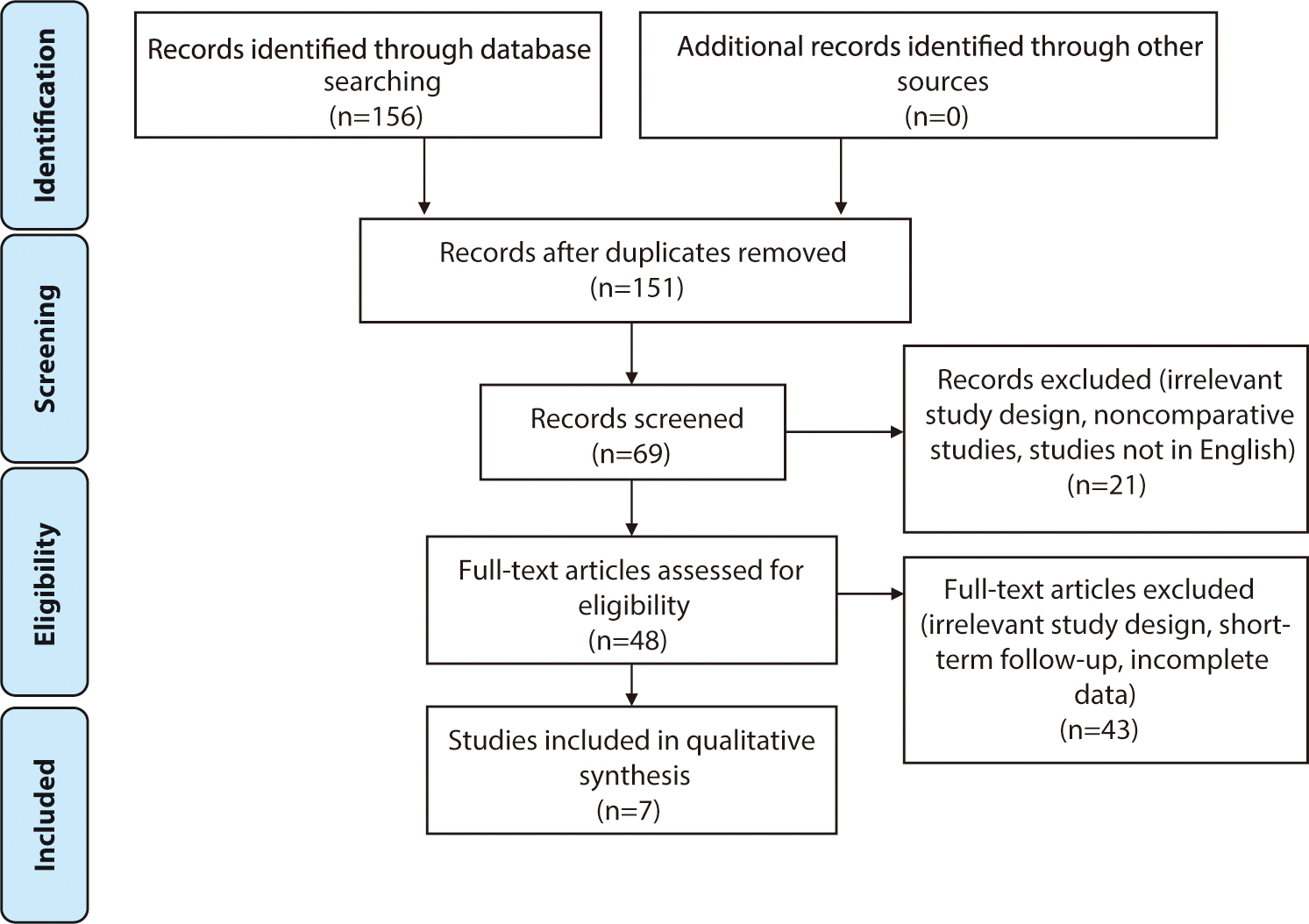
Methods: A systematic search was performed in accordance with PRISMA guidelines for studies in the last 5 years. The inclusion criteria were randomized controlled trials that investigated non-operative treatments for distal radius fractures. We excluded studies with short-term follow-up (less than 3 months), ongoing trials, those that did not directly address fractures, and studies involving the use of sugar-tong splints or non-circular immobilization. The outcomes evaluated included subjective measures (Disabilities of the Arm, Shoulder and Hand score; Patient-Rated Wrist Evaluation score; Mayo Wrist Score; and visual analog scale) and objective outcomes (complication rate and radiological parameters).

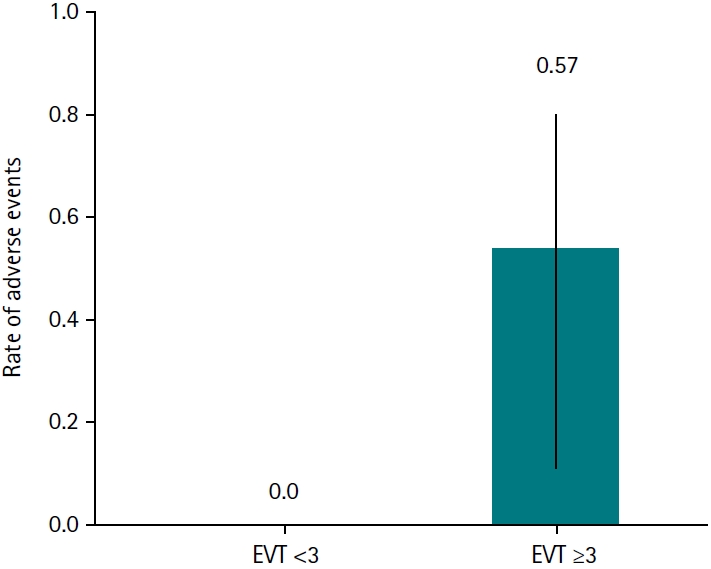
Results: We included seven articles from 2017 to 2022. These studies reported a total of 542 fractures, predominantly in women, with a mean age of over 50 years. Both short and long arm casts demonstrated similar functional and radiological outcomes. A longer immobilization period (>3 weeks) should be considered to prevent re-displacement.

Conclusion: In stable fractures treated conservatively, the use of both short and long arm casts resulted in comparable functional outcomes in older patients. Immobilization for at least 3 weeks is recommended, as it provided similar clinical and radiological outcomes compared to longer periods of immobilization (level of evidence: 2A).

  • 6,309 View
  • 41 Download
[English]
Straightforward, safe, and efficient interlocking screw insertion during intramedullary nailing using a Steinmann pin and hammer: a comparative study
Maria Florencia Deslivia, Hee-June Kim, Sung Hun Kim, Suk-Joong Lee
Ewha Med J 2024;47(3):e39.   Published online July 31, 2024
DOI: https://doi.org/10.12771/emj.2024.e39

Objectives: Accurately targeting distal nail holes and placing distal interlocking screws pose challenges during intramedullary nailing. This study proposes a straightforward technique for distal locking screw insertion using a Steinmann pin, eliminating the need to reposition the pin or drill bit.

Methods: We utilized 18 Sawbones femur models and intramedullary femur nails. A first-year resident created two distal locking holes on each model, employing both the conventional freehand technique and a novel method involving a Steinmann pin and hammer under image intensification. These techniques were evaluated based on three parameters: (1) the time required to create distal locking holes, measured from the moment the pin was positioned at the center of the hole until the far cortex was drilled through the interlocking hole; (2) the radiation dose (in mrem/h), as estimated with a personal gamma radiation dosimeter; and (3) the number of failures, defined as the creation of more than one hole in the near and far cortex.

Results: The new technique was associated with a lower radiation dose (P=0.0268) and fewer failures (P=0.0367) than the conventional approach. Additionally, the time required to establish distal holes was shorter using the new technique compared to the conventional method (P=0.0217).

Conclusion: The creation of distal interlocking holes with a Steinmann pin and hammer is accurate, efficient, and cost-effective.

Citations

Citations to this article as recorded by  
  • Unresolved policy on the new placement of 2,000 entrants at Korean medical schools and this issue of Ewha Medical Journal
    Sun Huh
    The Ewha Medical Journal.2024;[Epub]     CrossRef
  • 1,253 View
  • 7 Download
  • 1 Web of Science
  • 1 Crossref

Review article

[English]

The rise of multidrug-resistant organisms represents a serious global public health concern. In Korea, the increasing prevalence of carbapenem-resistant Enterobacterales (CRE) is particularly concerning due to the difficulties associated with treatment. Data from the Korea Global Antimicrobial Resistance Surveillance System indicate a yearly increase in CRE cases, with carbapenemase-producing Enterobacterales being the predominant type. The capacity of CRE to resist multiple broad-spectrum antibiotics leads to higher medical costs and mortality rates, underscoring the need for urgent action. Effective prevention is crucial to curbing CRE outbreaks and transmission. Antimicrobial stewardship programs (ASPs) play a key role and require commitment from healthcare professionals to minimize unnecessary antibiotic use, as well as from policymakers to ensure adherence to ASP guidelines. Given the complexity of CRE transmission, ASP efforts must be integrated with infection control strategies for maximum effectiveness. These strategies include adherence to standard and contact precautions, environmental disinfection, preemptive isolation, and comprehensive education and training for healthcare personnel. Additionally, surveillance testing for patients at high risk for CRE and the use of real-time diagnostic kits can facilitate early detection and reduce further transmission. Strategies for the prevention of CRE infection should be tailored to specific healthcare settings. Ongoing research is essential to update and refine infection control guidelines and effectively prevent CRE outbreaks.

Citations

Citations to this article as recorded by  
  • Comprehensive in silico analysis of Acinetobacter isolates from South Korea reveals genomic diversity, antimicrobial resistance, virulence factors, and evolutionary dynamics
    Md Minarul Islam, Kyudong Han, Kyungho Woo, Woo Shik Shin, Man Hwan Oh
    Genes & Genomics.2025;[Epub]     CrossRef
  • Unresolved policy on the new placement of 2,000 entrants at Korean medical schools and this issue of Ewha Medical Journal
    Sun Huh
    The Ewha Medical Journal.2024;[Epub]     CrossRef
  • 4,598 View
  • 26 Download
  • 2 Web of Science
  • 2 Crossref

Case Reports

[English]
Nontuberculous mycobacterial infection in a sporotricoid distribution in Korea: a case report
Jin Ju Lee, Yoon Jin Choi, Ji Yeon Byun, You Won Choi, Joo Young Roh, Hae Young Choi
Ewha Med J 2024;47(2):e29.   Published online April 30, 2024
DOI: https://doi.org/10.12771/emj.2024.e29

Nontuberculous mycobacterial infections, which are often acquired from environmental sources such as water and soil, exhibit a variety of cutaneous manifestations that frequently lead to misdiagnoses and delays in treatment. A 77-year-old woman presented with multiple skin lesions in a sporotricoid distribution on her right leg, which persisted despite standard antibiotic treatments. Based on the skin biopsy, revealing granulomatous inflammation with acid-fast bacilli, and PCR testing, a nontuberculous mycobacterial infection was diagnosed. Antimycobacterial drug combinations, including clarithromycin, isoniazid, and rifampicin for 4 months, complete the skin lesion's clearance. This case underscores the need for heightened suspicion and the use of appropriate diagnostic techniques, including tissue biopsies and molecular methods such as PCR.

Citations

Citations to this article as recorded by  
  • Clarithromycin

    Reactions Weekly.2024; 2014(1): 180.     CrossRef
  • 955 View
  • 8 Download
  • 1 Crossref
[English]
Gastric adenocarcinoma with enteroblastic differentiation in a 67-year-old man in Korea: a case report
Hae Rin Lee, Gwang Ha Kim, Dong Chan Joo, Moon Won Lee, Bong Eun Lee, Kyung Bin Kim
Ewha Med J 2024;47(2):e28.   Published online April 30, 2024
DOI: https://doi.org/10.12771/emj.2024.e28

We report a rare case of gastric adenocarcinoma with enteroblastic differentiation (GAED) that was treated with endoscopic submucosal dissection followed by additional distal gastrectomy with lymph node dissection. A 67-year-old man underwent endoscopic submucosal dissection for a gastric lesion, which was diagnosed as GAED with submucosal and lymphatic invasion. Histologically, GAED is characterized by a tubulopapillary growth pattern and clear cells that resemble those of the primitive fetal gut. Immunohistochemically, GAED variably expresses oncofetal proteins such as glypican-3, alpha-fetoprotein, and spalt-like transcription factor 4. Despite negative margins, additional gastrectomy with lymph node dissection was performed due to submucosal and lymphatic invasion. No residual tumor or metastasis was detected, and the patient remained disease-free for 2 years before dying from causes unrelated to GAED. Given its aggressive nature, frequent lymphovascular invasion, and high metastatic potential, clinicians should recognize the histopathological diagnosis of this rare tumor and its propensity for aggressiveness.

  • 1,059 View
  • 19 Download

Original Article

[English]
Effect of body mass index on gastric cancer risk according to sex in Korea: a nationwide cohort study and literature review
Yonghoon Choi, Jieun Jang, Nayoung Kim
Ewha Med J 2024;47(2):e19.   Published online April 30, 2024
DOI: https://doi.org/10.12771/emj.2024.e19

Objectives: Gastric cancer (GC) demonstrates a sex disparity that may also be associated with body mass index (BMI). This study explored whether the effect of BMI on the risk of GC varies by sex.

Methods: The study cohort included 341,999 Koreans aged 40 years or older from the National Health Insurance Service–Health Screening Cohort, with a median follow-up period of 10 years. Participants were categorized into five groups based on their BMI. The effect of BMI was evaluated using Cox proportional hazard regression. Additionally, stratification analysis was performed according to waist circumference.

Results: An increased risk of developing GC was observed across the study population among those with obesity (BMI 25.0–29.9 kg/m2; hazard ratio [HR], 1.11; 95% CI , 1.03–1.20) and severe obesity (BMI ≥30.0 kg/m2; HR, 1.22; 95% CI, 1.01–1.47), considering a 2-year latency period. Notably, the rise in GC risk was particularly pronounced among women with obesity and men with severe obesity. In the age-stratified analysis, severe obesity (BMI ≥30.0 kg/m2) was associated with an increased risk of GC in men under 50 years old (HR, 1.83; 95% CI, 0.99–3.37). For individuals aged ≥50 years, obesity was linked to a heightened risk of GC in both sexes. Furthermore, normal BMI (18.5–22.9 kg/m2) was associated with an increased GC risk in women.

Conclusion: These findings indicate a positive association between excess body weight and the risk of GC in Koreans, particularly among men with severe obesity.

Citations

Citations to this article as recorded by  
  • Gender equity in medicine, artificial intelligence, and other articles in this issue
    Sun Huh
    The Ewha Medical Journal.2024;[Epub]     CrossRef
  • 1,352 View
  • 16 Download
  • 1 Crossref

Review articles

[English]

Neurodevelopmental disorders, which emerge early in development, include a range of neurological phenotypes and exhibit marked differences in prevalence between sexes. A male predominance is particularly pronounced in autism spectrum disorder (ASD). Although the precise cause of ASD is still unknown, certain genetic variations and environmental influences have been implicated as risk factors. Preclinical ASD models have been instrumental in shedding light on the mechanisms behind the sexual dimorphism observed in this disorder. In this review, we explore the potential processes contributing to sex bias by examining both intrinsic differences in neuronal mechanisms and the influence of external factors. We organize these mechanisms into six categories: 1) sexually dimorphic phenotypes in mice with mutations in ASD-associated genes related to synaptic dysfunction; 2) sex-specific microglial activity, which may disrupt neural circuit development by excessively pruning synapses during critical periods; 3) sex steroid hormones, such as testosterone and allopregnanolone, that differentially influence brain structure and function; 4) escape from X chromosome inactivation of the O-linked-N-acetylglucosamine transferase gene in the placenta; 5) sexually dimorphic activation of the integrated stress response pathway following maternal immune activation; and 6) immunological responses that are differentially regulated by sex. Understanding these mechanisms is essential for deciphering the underlying causes of ASD and may offer insights into other disorders with notable sex disparities.

  • 2,182 View
  • 24 Download
[English]
Sex differences in metabolic dysfunction-associated steatotic liver disease: a narrative review
Sae Kyung Joo, Won Kim
Ewha Med J 2024;47(2):e17.   Published online April 30, 2024
DOI: https://doi.org/10.12771/emj.2024.e17

Understanding the effects of sex and sex differences on liver health and disease is crucial for individualized healthcare and informed decision-making for patients with liver disease. The impact of sex on liver disease varies according to its etiology. Women have a lower prevalence of metabolic dysfunction-associated steatotic liver disease (MASLD) than men. However, postmenopausal women face a higher risk of advanced liver fibrosis due to hormonal influences. Sex differences affect the pathogenesis of MASLD, which involves a complex process involving several factors such as hormones, obesity, and the gut microbiome. Furthermore, sex-related differences in the development of MASLDrelated hepatocellular carcinoma have been observed. The sex-specific characteristics of MASLD necessitate an individualized management approach based on scientific evidence. However, research in this area has been lacking. This article reviews the current understanding of sex differences in MASLD.

Citations

Citations to this article as recorded by  
  • KASL clinical practice guidelines for the management of metabolic dysfunction-associated steatotic liver disease 2025
    Won Sohn, Young-Sun Lee, Soon Sun Kim, Jung Hee Kim, Young-Joo Jin, Gi-Ae Kim, Pil Soo Sung, Jeong-Ju Yoo, Young Chang, Eun Joo Lee, Hye Won Lee, Miyoung Choi, Su Jong Yu, Young Kul Jung, Byoung Kuk Jang
    Clinical and Molecular Hepatology.2025; 31(Suppl): S1.     CrossRef
  • MASLD: Prevalence, Mechanisms, and Sex-Based Therapies in Postmenopausal Women
    Ilaria Milani, Marianna Chinucci, Frida Leonetti, Danila Capoccia
    Biomedicines.2025; 13(4): 855.     CrossRef
  • Sex and gender disparities in hepatocellular carcinoma: insights into risk, diagnosis, and therapeutic outcomes
    Tu Tuan Tran, Huy The Be, Khanh Dinh Hoang, Hoang Duc Dong
    Clinical and Translational Oncology.2025; 27(12): 4301.     CrossRef
  • Curcumin for Inflammation Control in Individuals with Type 2 Diabetes Mellitus and Metabolic Dysfunction-Associated Steatotic Liver Disease: A Randomized Controlled Trial
    Metha Yaikwawong, Laddawan Jansarikit, Siwanon Jirawatnotai, Somlak Chuengsamarn
    Nutrients.2025; 17(12): 1972.     CrossRef
  • Mediation analysis of the molecular phenotypes in a severe MASH-like liver injury mouse model
    Zhuolin Song, Volodymyr P Tryndyak, Rose A Willett, Igor P Pogribny, Ivan Rusyn, Fred A Wright
    Toxicological Sciences.2025; 208(1): 155.     CrossRef
  • Association between dairy consumption and metabolic dysfunction-associated steatotic liver disease among Korean adults: Evidence from the prospective health examinees cohort
    Wuttyi Khaing, Uyangamaa Nyamsuren, Sangah Shin
    Nutrition Research.2025; 144: 38.     CrossRef
  • High-Sensitivity C-Reactive Protein Levels in Metabolic Dysfunction-Associated Steatotic Liver Disease (MASLD), Metabolic Alcohol-Associated Liver Disease (MetALD), and Alcoholic Liver Disease (ALD) with Metabolic Dysfunction
    Seong-Uk Baek, Jin-Ha Yoon
    Biomolecules.2024; 14(11): 1468.     CrossRef
  • 3,811 View
  • 44 Download
  • 5 Web of Science
  • 7 Crossref
[English]

This review aims to highlight the importance of research on structural, functional, molecular-biological, and disease-specific sex differences in the brain, and to examine current bibliometric indicators related to research on sex differences. The Web of Science Core Collection was searched for related articles from 2010 to 2023. Structural and functional brain differences according to sex, including variations in communication patterns between hemispheres, may play a role in mental disorders. Sex differences in neurotransmitters such as serotonin, dopamine, and γ-aminobutyric acid contribute to disparities in mental health, addiction, and neurodevelopmental conditions. Neurodevelopmental disorders such as autism spectrum disorder and schizophrenia exhibit sex-based differences in prevalence, symptoms, brain changes, and neurotransmitter disruptions under hormonal influence. There is a growing body of research on depression, adolescence, the hippocampus, the amygdala, and cognition, highlighting the importance of considering sex/gender factors. Recent studies on sex differences in brain diseases have identified variations in brain structure, function, and neurophysiological substances, as well as in hormones and genes between the sexes. The incidence of psychiatric disorders such as autism spectrum disorder, depression, anxiety, and Alzheimer’s disease is increasingly being linked to sex differences, and the need for research into the mechanisms underlying these differences is gaining recognition. However, there remains a significant gap in sex-specific neuroscience research related to the diagnosis, treatment, prevention, and management of these conditions. Advancing inclusive research will require comprehensive training, a consensus on methodology, diverse perspectives through collaborative frameworks, governmental/institutional support, and dedicated funding to create suitable research environments and implementation strategies.

Citations

Citations to this article as recorded by  
  • The impact of sex/gender-specific funding and editorial policies on biomedical research outcomes: a cross-national analysis (2000–2021)
    Heajin Kim, Jinseo Park, Sejung Ahn, Heisook Lee
    Scientific Reports.2024;[Epub]     CrossRef
  • 10,934 View
  • 54 Download
  • 1 Crossref

Case Reports

[English]
Endoscopically resected duodenal lipoma as an uncommon cause of upper gastrointestinal bleeding: a case report
Dong Chan Joo, Gwang Ha Kim, Bong Eun Lee, Moon Won Lee, Cheolung Kim
Ewha Med J 2024;47(1):e8.   Published online January 31, 2024
DOI: https://doi.org/10.12771/emj.2024.e8

Subepithelial tumors in the upper gastrointestinal (GI) tract are often detected during nationwide endoscopic gastric cancer screening in Korea. Most GI lipomas are asymptomatic and do not necessitate further treatment. However, large tumors may lead to complications such as bowel obstruction, intussusception, and bleeding. These GI lipomas require endoscopic or surgical resection. On radiological examination, GI lipomas typically manifest as hypodense lesions with similar density to that of fat tissue. White-light endoscopy generally reveals a yellowish subepithelial tumor exhibiting a positive cushion sign, while endoscopic ultrasonography shows a homogeneous hypoechoic mass within the third layer of the GI tract. We present the case of an 81-year-old woman with symptomatic duodenal lipoma following endoscopic resection.

  • 1,227 View
  • 6 Download
[English]
Bilateral axillo-breast approach robotic total thyroidectomy without isthmectomy: a case report
Hyeji Kim, Hyeonuk Hwang, Hyungju Kwon
Ewha Med J 2024;47(1):e7.   Published online January 31, 2024
DOI: https://doi.org/10.12771/emj.2024.e7

Conventional open thyroidectomy is a safe procedure, but it has the disadvantage of leaving noticeable scars on the neck. Bilateral axillo-breast approach (BABA) robotic thyroidectomy was developed as an alternative technique to remove thyroid glands without making incisions in the neck. In traditional BABA robotic thyroidectomy, dividing the isthmus is a routine step to improve the efficiency of the dissection during thyroid surgery. However, there are safety concerns when performing this procedure on patients with thyroid cancer located in the isthmus. We report a case of BABA robotic total thyroidectomy carried out without dividing the isthmus in a patient with isthmic papillary thyroid carcinoma. Our experience suggests that BABA robotic surgery can be a feasible and safe option for selected patients with isthmic papillary thyroid carcinoma.

  • 1,523 View
  • 17 Download

Review Articles

[English]
Sex differences in pharmacotherapy for heart failure
In-Jeong Cho
Ewha Med J 2024;47(1):e3.   Published online January 31, 2024
DOI: https://doi.org/10.12771/emj.2024.e3

Heart failure (HF) represents a serious public health concern, characterized by substantial morbidity and mortality. Despite advances in pharmacological management, a gap persists in understanding and accounting for sex-related differences in HF treatment. This review was performed to clarify the impact of sex on the clinical outcomes of HF medications. Insights from various clinical trials and studies have highlighted differences between men and women in drug responses and adverse effects, indicating the need for a more nuanced approach to HF management. Promoting greater representation of women in clinical trials and the development of research methodologies that consider sex differences are crucial steps in advancing precision medicine. Such efforts ensure that therapeutic strategies are optimally tailored to the unique biological and genetic profiles of each person. Ultimately, this review emphasizes the vital need for a more inclusive and personalized approach to HF pharmacotherapy, underscoring the critical role of sex-related differences in shaping effective and individualized treatment pathways.

Citations

Citations to this article as recorded by  
  • Gender equity in medical journals in Korea and this issue
    Sun Huh
    The Ewha Medical Journal.2024;[Epub]     CrossRef
  • 16,128 View
  • 21 Download
  • 1 Crossref
[English]
Preventing Anastomotic Leakage, a Devastating Complication of Colorectal Surgery
Hyun Gu Lee
Ewha Med J 2023;46(s1):e29.   Published online December 31, 2023
DOI: https://doi.org/10.12771/emj.2023.e29
ABSTRACT

Anastomotic leakage (AL) after colorectal surgery is a significant concern, as it can lead to adverse functional and oncologic outcomes. Numerous studies have been conducted with the aim of identifying risk factors for AL and developing strategies to prevent its occurrence, thereby reducing the severe morbidity associated with AL. The intraoperative method for reducing AL includes a mechanical assessment of AL, an assessment of bowel perfusion, drain placement, and the creation of diverting stomas. The anastomosis technique is also associated with AL, and the appropriate selection and accurate application of anastomotic methods are crucial for preventing AL. Indocyanine green fluorescence imaging has recently gained popularity as a method for assessing bowel perfusion. While it is useful for detecting bowel perfusion, standardized protocols and measurement methods need to be established to ensure its reliability and effectiveness in clinical practice. The use of intraoperative drains to reduce AL has produced inconsistent results, and the routine adoption of this practice is not currently recommended. Diverting stomas can be used to help reduce the morbidity associated with AL. However, it is important to carefully consider the complications that can arise directly from the stoma itself. It should be noted that while a stoma can reduce AL, it cannot completely prevent it. This descriptive review examines various intraoperative methods aimed at reducing AL, discussing their effectiveness in reducing AL.

Citations

Citations to this article as recorded by  
  • Emerging Infectious Diseases at the End of the Fourth Year of the COVID-19 Pandemic and Recent Updates on Colorectal and Pediatric Endocrine Diseases
    Sun Huh
    The Ewha Medical Journal.2023;[Epub]     CrossRef
  • 4,481 View
  • 18 Download
  • 1 Crossref
[English]
ABSTRACT

Over the past 3 years, the COVID-19 pandemic has posed significant challenges to the healthcare system, leading to delays in the diagnosis and treatment of various diseases due to the need for social distancing measures. Colorectal cancer has not been immune to these disruptions, and research in various countries has explored the impact of COVID-19 on the diagnosis and treatment of colorectal cancer. One notable consequence has been the postponement of colorectal cancer screenings, potentially resulting in disease progression, which can adversely affect surgical and oncological outcomes. Furthermore, the treatment approach for colorectal cancer may vary depending on the extent of disease progression and the healthcare policies implemented in response to the COVID-19 pandemic. In this systematic review, we examine treatment strategies, surgical outcomes, and oncological variables across multiple studies focusing on colorectal cancer treatment during the COVID-19 pandemic. The purpose of this analysis was to assess how medical policies enacted in response to the COVID-19 pandemic have influenced the outcomes of colorectal cancer treatment. We hope that this review will provide valuable insights and serve as a foundational resource for developing guidelines to address potential medical crises in the future.

  • 689 View
  • 3 Download
[English]

In stage IV colorectal cancer (CRC), peritoneal metastasis is associated with a poor prognosis. Hyperthermic intraperitoneal chemotherapy (HIPEC) after cytoreductive surgery (CRS) is an effective treatment option that offers survival benefits in patients with peritoneal metastatic CRC. For over the past several decades, a multitude of studies have been conducted on CRS and HIPEC for peritoneal metastatic diseases, and research in this area is ongoing. Proper patient selection and a meticulous preoperative assessment are crucial for achieving successful postoperative outcomes. The completeness of cytoreduction and the surgical techniques employed are key factors in improving oncologic outcomes following CRS and HIPEC. The role of HIPEC for both therapeutic and prophylactic purposes is currently being evaluated in recent clinical trials. This article reviews the fundamental principles of CRS combined with HIPEC and discusses recent clinical trials concerning the treatment of CRS and HIPEC in CRC patients with peritoneal carcinomatosis.

  • 7,555 View
  • 20 Download
[English]
Surgical Techniques for Transanal Local Excision for Early Rectal Cancer
Gyoung Tae Noh
Ewha Med J 2023;46(s1):e26.   Published online December 31, 2023
DOI: https://doi.org/10.12771/emj.2023.e26

The primary objective in the treatment of early rectal cancer is to achieve optimal oncological control while minimizing the long-term impact of therapeutic interventions on patients' quality of life. The current standard of care for most stage I and II rectal cancers involves radical surgery, specifically total mesorectal excision. Although total mesorectal excision is generally curative for early rectal cancers, it can significantly affect patients' quality of life by potentially necessitating a permanent colostomy and causing bowel, bladder, and sexual dysfunction. Given the morbidity associated with radical surgery, alternative approaches to managing early rectal cancer, such as local excision through transanal excision, transanal endoscopic microsurgery, and transanal minimally invasive surgery, have been investigated. If these surgical approaches are applied cautiously to carefully selected cases of early rectal cancer, it is anticipated that these local procedures will achieve comparable oncological outcomes to the established standard of radical surgery, potentially offering superior results regarding morbidity, mortality, and overall quality of life.

  • 3,739 View
  • 32 Download
[English]

Preoperative chemoradiotherapy (pCRT) followed by total mesorectal excision is the accepted standard treatment for patients with locally advanced rectal cancer. The purpose of pCRT is to prevent the spread of viable tumor cells within the local area during surgical procedures. Additionally, pCRT can facilitate the resection of locally advanced tumors that are otherwise challenging to remove, thereby enabling a radical resection. Although a pathologic complete response is observed in fewer than 20% of patients, the reasons for the variability in tumor response to pCRT are not fully understood. Several techniques have been researched with the aim of improving the tumor response to pCRT. These techniques include intensifying or combining chemotherapy, either simultaneously or sequentially, increasing radiation dose, modifying radiation mode or schedule, adjusting the interval between radiation and surgery, and incorporating multiple agents to increase the efficacy of pCRT. This review discusses various strategies that may improve tumor response outcomes following pCRT.

  • 792 View
  • 3 Download
[English]
Inflammatory Response Markers as Predictors of Colorectal Cancer Prognosis
Minsung Kim, Il Tae Son, Bo Young Oh
Ewha Med J 2023;46(s1):e24.   Published online December 31, 2023
DOI: https://doi.org/10.12771/emj.2023.e24

Colorectal cancer (CRC) is a globally prevalent and challenging malignancy. Accurate prognosis prediction is essential for optimizing patient care. This comprehensive review discusses the intricate relationships between inflammatory response markers and CRC prognosis. Inflammatory response markers have gained prominence as a prognostic tool. Elevations in the preoperative neutrophil-lymphocyte ratio, platelet-lymphocyte ratio, and C-reactive protein-albumin ratio predict a poor prognosis for patients with CRC. A decreased lymphocyte-monocyte ratio is also a poor prognostic factor. A high Glasgow prognostic score and a high modified Glasgow prognostic score are associated with adverse outcomes, including reduced survival. While significant progress has been made, challenges remain in standardizing the clinical application of these inflammatory response markers. Prospective research and further investigations are warranted to refine the prognostic models. Enhanced understanding and utilization of these inflammatory response markers will help advance personalized treatment strategies, refine surveillance protocols, and improve the management of CRC.

Citations

Citations to this article as recorded by  
  • Colorectal Cancer—One Disease, Two Fires: Distinct Inflammatory Landscapes in Colon and Rectal Cancer
    Catalin Vladut Ionut Feier, Florin Grama, Georgiana Viorica Moise, Razvan Constantin Vonica, Vasile Gaborean, Alaviana Monique Faur, Vladut Iosif Rus, Calin Muntean
    Diagnostics.2025; 15(18): 2387.     CrossRef
  • Correlation of neutrophil-lymphocyte ratio and serum cholinesterase in colorectal cancer patients: a cross-sectional study
    Tania A. PRAMUDYAWARDHANI, Uleng BAHRUN, Mutmainnah MUTMAINNAH, Warsinggih WARSINGGIH, Ibrahim A. SAMAD, Burhanuddin BAHAR
    Gazzetta Medica Italiana Archivio per le Scienze Mediche.2025;[Epub]     CrossRef
  • Emerging Infectious Diseases at the End of the Fourth Year of the COVID-19 Pandemic and Recent Updates on Colorectal and Pediatric Endocrine Diseases
    Sun Huh
    The Ewha Medical Journal.2023;[Epub]     CrossRef
  • 1,169 View
  • 5 Download
  • 1 Web of Science
  • 3 Crossref
[English]

Enhanced recovery after surgery (ERAS) aims to promote postoperative recovery in patients by minimizing the surgical stress response through evidence-based multimodal interventions. In 2023, updated clinical practice guidelines were published in North America, potentially superseding the most recent guidelines previously announced at the ERAS Society in 2019. This review compares and reviews these two guidelines to examine the principle of ERAS and items related to colorectal surgery and to introduce the latest relevant study results published within the last 5 years. In the pre-hospitalization stage, the concept of pre-hospitalization is emphasized; this involves checking and reinforcing the patient’s nutritional status and physical functional status before surgery. In the preoperative stage, large-scale studies have prompted a change in the recommendation of mechanical bowel preparation combined with oral antibiotics in elective colorectal surgery. In the intraoperative stage, laparoscopic surgery has become a widespread and important component of ERAS, and more technologically advanced single-incision laparoscopic surgery and robotic surgery are the focus of active research. Ileus-prevention items, such as opioid-sparing multimodal pain management and euvolemic fluid therapy, are recommended in the postoperative stage. The adoption of ERAS protocols is expanding to encompass a wide range of surgical procedures, clinical scenarios, healthcare institutions, and professional medical societies. In order to maximize the effect by increasing adherence to ERAS, medical staff must fully understand the clinical basis and meaning of each item, and the protocol must be maintained and developed steadily through a team approach and audit system.

Citations

Citations to this article as recorded by  
  • ERAS and Gastrointestinal Site Infections: Insights from a Comprehensive Systematic Review and Meta-Analysis
    Zhiwei Wu, Xiaofang Ge, Dike Shi
    Surgical Infections.2024; 25(9): 699.     CrossRef
  • Emerging Infectious Diseases at the End of the Fourth Year of the COVID-19 Pandemic and Recent Updates on Colorectal and Pediatric Endocrine Diseases
    Sun Huh
    The Ewha Medical Journal.2023;[Epub]     CrossRef
  • 10,571 View
  • 17 Download
  • 1 Web of Science
  • 2 Crossref
[English]
Protective Effects of Statins against Alzheimer Disease
Leila Rezakhani, Zahra Salimi, Fatemeh Zarei, Farshad Moradpour, Mohammad Rasool Khazaei, Mozafar Khazaei, Maryam Pourjalili
Ewha Med J 2023;46(4):e17.   Published online October 31, 2023
DOI: https://doi.org/10.12771/emj.2023.e17
ABSTRACT

Alzheimer disease (AD) is a common neurodegenerative disorder, characterized by memory impairment, dementia, and diminished cognitive function. This disease affects more than 20 million people worldwide. Amyloid beta (Aβ) plaques and neurofibrillary tangles (NFTs) are important pathological markers of AD. Multiple studies have indicated a potential association between elevated cholesterol levels and increased risk of AD, suggesting that lowering the cholesterol level could be a viable strategy for AD treatment or prevention. Statins, potent inhibitors of cholesterol synthesis, are widely used in clinical practice to decrease the plasma levels of LDL cholesterol in patients with hyperlipidemia. Statins are known to play a neuroprotective role in limiting Aβ pathology through cholesterol-lowering therapies. In addition to Aβ plaques and neurofibrillary tangles, the brains of AD patients exhibit signs of oxidative stress, neuroinflammatory responses, and synaptic disruption. Consequently, compounds with antioxidant, anti-inflammatory, and/or neuroprotective properties could be beneficial components of AD treatment strategies. In addition to lowering LDL cholesterol, statins have demonstrated therapeutic efficacy in various forms, including antioxidant, anti-inflammatory, and neuroprotective effects. These properties of statins are potential mechanisms underlying their beneficial effects in treating neurodegenerative diseases. Therefore, this review was conducted to provide an overview of the protective effects of statins against AD.

Citations

Citations to this article as recorded by  
  • Pharmacological Profile and Mechanisms of Cardiovascular Protective Effects of Statins: An Update
    Abdalla Salem Elhwuegi, Mustafa M. Elfakhri
    Libyan International Medical University Journal.2025; 10(01): 018.     CrossRef
  • Atorvastatin improves long-term memory by reducing amyloid-β formation and neuronal damage in STZ-induced diabetic rats
    N. Ferak, A. Kapucu, S. Ustunova, K. Akgun-Dar
    Journal of Molecular Histology.2025;[Epub]     CrossRef
  • Advances in Alzheimer's disease: A multifaceted review of potential therapies and diagnostic techniques for early detection
    Monika Sharma, Pankaj Pal, Sukesh Kumar Gupta
    Neurochemistry International.2024; 177: 105761.     CrossRef
  • 4,505 View
  • 32 Download
  • 3 Crossref

Case Reports

[English]
Recurrent Colonic Perforation in Geriatric Patients with Sigmoid Colostomy: Two Case Reports
Hyeonkyeong Kim, Kwang Ho Kim, Gyoung Tae Noh, Ho Seung Kim
Ewha Med J 2023;46(3):e8.   Published online July 31, 2023
DOI: https://doi.org/10.12771/emj.2023.e8
ABSTRACT

Recurrent colonic perforation in patients already having colostomy is extremely rare and only a few cases had been reported. Herein, we report 2 cases of recurrent colonic perforation at the proximal part of the colostomy in geriatric patients resulting from different causes, which might be caused by stercoral perforation and recurrent colonic ischemia, respectively. Based on our experience, surgeons should consider correcting chronic constipation even in patients who already have a colostomy. Additionally, transverse colostomy should be considered as a surgical treatment in patients with sigmoid colostomy for recurrent perforation due to colonic ischemia.

  • 739 View
  • 5 Download
[English]
A Rare Case of Methotrexate Induced Pancreatitis in Ectopic Pregnancy
Jiwon Choi, Mina Kang, Young Min Hur, Young Ju Kim, Sunwha Park
Ewha Med J 2023;46(2):e3.   Published online April 30, 2023
DOI: https://doi.org/10.12771/emj.2023.e3
ABSTRACT

Ectopic pregnancy (EP) refers to blastocyst implantation outside the uterine endometrium. EP is major cause of maternal morbidity and mortality. Treatment options include surgery, medical therapy with methotrexate, or expectant management. Methotrexate is the primary regimen used in cases of early, unruptured ectopic pregnancies. Most side effects of methotrexate are minor, including nausea, vomiting, abdominal discomfort, and photosensitive skin reaction. Serious side effects, including bone marrow suppression, and pulmonary fibrosis, are invariably observed when methotrexate is administered in high doses with frequent dosing intervals, in chemotherapeutic protocols for malignancy. These side effects are uncommon with the doses used to treat ectopic pregnancies. Since cases of methotrexate-induced pancreatitis are rare, we report a case of pancreatitis in a patient with EP treated with methotrexate and expect to consider pancreatitis as a side effect of methotrexate in a patient with upper abdominal pain undergoing methotrexate chemotherapy.

Citations

Citations to this article as recorded by  
  • Methotrexate

    Reactions Weekly.2023; 1972(1): 212.     CrossRef
  • 2,449 View
  • 7 Download
  • 1 Crossref

Original Article

[English]
Verification of the Performance of the Panbio COVID-19 Ag Rapid Test Device for Implementation in the Clinical Laboratory
Hae-Sun Chung, Ji Su Chung, Yeo-Jin Lee, Seonwoo Lee, Juhyun Jeong, Min-Kyung So, Miae Lee
Ewha Med J 2023;46(1):e2.   Published online January 31, 2023
DOI: https://doi.org/10.12771/emj.2023.e2
ABSTRACT Objectives:

The Panbio COVID-19 Ag Rapid Test Device (Panbio COVID-19 Ag, Abbott Rapid Diagnostics) is a lateral flow immunochromatographic assay targeting the severe acute respiratory syndrome coronavirus 2 (SARS-CoV-2) nucleoprotein in nasopharyngeal specimens for the diagnosis of coronavirus disease 2019 (COVID-19). This study aimed to verify the performance of the Panbio COVID-19 Ag for implementation in clinical laboratories.

Methods:

Sixty nasopharyngeal swab specimens (30 positive and 30 negative) dipped in transport medium, and COVID-19 was confirmed using real-time RT-PCR using Allplex SARS-CoV-2 assay (Seegene), were tested using the Panbio COVID-19 Ag. Reproducibility was evaluated using positive and negative control materials. Sensitivity and specificity were calculated based on the results of real-time RT-PCR as the standard test method.

Results:

Reproducibility was confirmed by the consistent results of repeated tests of the quality control materials. The overall sensitivity and specificity of Panbio COVID-19 Ag were 50.0% and 100.0%, respectively. Panbio COVID-19 Ag demonstrated high sensitivity (88.2%) in analyzing the detection limit cycle threshold (Ct) value of 26.67 provided by the manufacturer as a positive criterion, and the sensitivity was 100.0% for the positive criterion of Ct values <25, although it was less sensitive for Ct ≥25.

Conclusion:

Considering the high sensitivity for positive samples with Ct values <25 and the rapid turnaround of results, Panbio COVID-19 Ag can be used in clinical laboratories to diagnose COVID-19 in limited settings.

  • 795 View
  • 7 Download

Review Articles: Special Drafts for Colorectal and Anal Diseases

[English]
Update on Diagnosis and Treatment of Colorectal Cancer
Chan Wook Kim
Ewha Med J 2022;45(4):e8.   Published online October 31, 2022
DOI: https://doi.org/10.12771/emj.2022.e8
ABSTRACT

The rate of colorectal cancer (CRC) has altered. Early-onset CRC patients are increasing, and it is one of the main causes of cancer-related death. Based on epidemiologic change, the CRC screening program needs to be changed. To increase compliance, non-invasive screening techniques are developed. Although CRC survival has increased, the oncologic prognosis of metastatic CRC is remains poor. Even in metastatic CRC, which is the most difficult to treat, attempts are being made to increase the survival rate by active surgical therapy with the creation of chemotherapeutic regimens and targeted treatment based on genomic information. Due to the introduction of aggressive chemotherapy regimens, targeted therapy based on genomic features, and improvements in surgical technique, the role of surgical treatment in metastatic CRC has expanded. Metastatic CRC surgery was indicated for liver, lung, and even peritoneal seeding. Local ablation therapy was also effectively used for liver and lung metastasis. Cytoreductive surgery and intraperitoneal chemotherapy were tried for peritoneal seeding and demonstrated good results in a subgroup of patients, although the right indication was carefully assessed. At the same time, one of the key goals of treatment for CRC was to maintain functional outcomes. Neoadjuvant treatment, in particular, helped rectal cancer patients preserve functional results while maintaining oncologic safety. Rectal cancer organ preservation techniques are now being researched heavily in a variety of neoadjuvant treatment settings, including immunotherapy and whole neoadjuvant therapy. Precision medicine based on patient and disease characteristics is currently being used for the diagnosis and treatment of CRC.

Citations

Citations to this article as recorded by  
  • Weighing the benefits of lymphadenectomy in early-stage colorectal cancer
    Seung Min Baik, Ryung-Ah Lee
    Annals of Surgical Treatment and Research.2023; 105(5): 245.     CrossRef
  • 1,521 View
  • 12 Download
  • 1 Web of Science
  • 1 Crossref

Case Report

[English]
Coronary Spasm during General Anesthesia in a Patient with Previously Undiagnosed Variant Angina
Gi year Lee, Sooyoung Cho, Dong Yeon Kim, Seung Hee Yoo
Ewha Med J 2022;45(4):e17.   Published online October 31, 2022
DOI: https://doi.org/10.12771/emj.2022.e17
ABSTRACT

Variant angina, which is associated with coronary artery spam, is difficult to recognize on routine preoperative evaluation. Coronary spasm results in myocardial ischemia and even lethal arrhythmia in severe cases. Since patients are unconscious and cannot complain of symptoms during general anesthesia, early detection of such an event is difficult, and it could lead to severe bradycardia or cardiac arrest. We report a case of a patient with previously undiagnosed variant angina who experienced severe hypotension and ventricular fibrillation during general anesthesia.

Citations

Citations to this article as recorded by  
  • Antihypotensive

    Reactions Weekly.2023; 1952(1): 65.     CrossRef
  • 1,768 View
  • 17 Download
  • 1 Web of Science
  • 1 Crossref
Review Articles: Special Drafts for Colorectal and Anal Diseases
[English]
Low Anterior Resection Syndrome: Pathophysiology, Risk Factors, and Current Management
Seung Mi Yeo, Gyung Mo Son
Ewha Med J 2022;45(4):e12.   Published online October 31, 2022
DOI: https://doi.org/10.12771/emj.2022.e12
ABSTRACT

Low anterior resection syndrome (LARS) is a condition of anorectal dysfunction that occurs frequently following anal sphincter-preserving surgery for rectal cancer and can reduce the quality of life. In this review, we summarize the main symptoms and pathophysiology of this syndrome and discuss the treatment approaches. Early evaluation and initiation of appropriate treatment postoperatively are crucial. The most frequently used tool to evaluate the severity of LARS is the LARS score, and an anorectal manometer is used for objective evaluation. LARS is believed to be caused by multiple factors, and some of its causes include direct structural damage to the anal sphincter, damage to the innervation, loss of rectoanal inhibitory reflex, and decreased rectal volume and compliance. Diet modifications, medications, pelvic floor muscle training and biofeedback are the primary treatments, and rectal irrigation can be added as a secondary treatment. If LARS symptoms persist even after 1 to 2 years and significantly reduce the quality of life, antegrade irrigation, sacral nerve stimulation or definitive stoma may be considered. High-quality evidence-based studies on LARS treatment are lacking, and randomized controlled trials aimed at developing severity-based treatment algorithms are needed.

Citations

Citations to this article as recorded by  
  • Organ preservation in rectal cancer with contact x-ray brachytherapy (Papillon): a refined Swiss protocol to improve real-world feasibility
    Cristina Picardi, Francesca Caparrotti, Nora Brunner-Schaub, Daniel Christen, Marie Fargier-Voiron, Michael Drepper, Alain Von Laufen, Michael Montemurro, Frederic Ris, Oscar Matzinger
    Frontiers in Oncology.2025;[Epub]     CrossRef
  • Evaluating transanal irrigation for alleviating symptoms of low anterior resection syndrome post rectal cancer surgery: A meta-analysis
    Ting-Kuang Wang, Chien-Hsin Chen, Yi-No Kang, Chiehfeng Chen, Kee-Hsin Chen
    Surgery.2025; 185: 109532.     CrossRef
  • The Diagnosis and Evolution of Patients with LARS Syndrome: A Five-Year Retrospective Study from a Single Surgery Unit
    Cosmin Vasile Obleagă, Sergiu Marian Cazacu, Tiberiu Ștefăniță Țenea Cojan, Cecil Sorin Mirea, Dan Nicolae Florescu, Cristian Constantin, Mircea-Sebastian Șerbănescu, Mirela Marinela Florescu, Liliana Streba, Dragoș Marian Popescu, Ionică Daniel Vîlcea, M
    Cancers.2024; 16(24): 4175.     CrossRef
  • 5,115 View
  • 43 Download
  • 4 Web of Science
  • 3 Crossref
TOP